Europe's Far-Right Parties May Not Return Trump's Affection
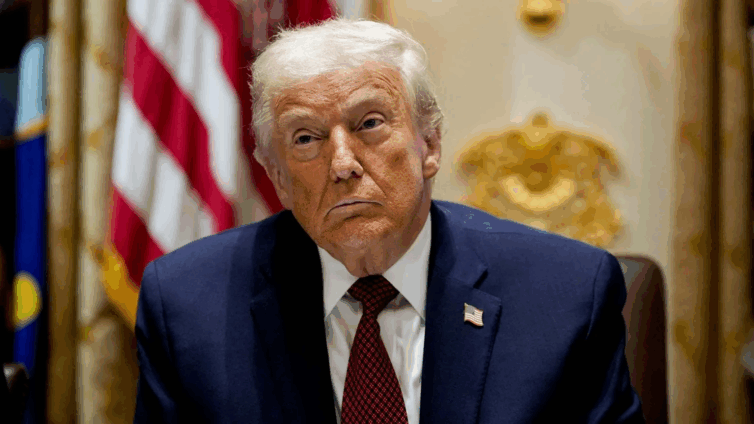
The Trump administration’s new national security strategy has drawn criticism for its approach to Europe, with some observers saying the section titled “Promoting European Greatness” echoes the rhetoric of far-right political parties on the continent.
According to the strategy, Europe is facing a crisis of identity due to “mass immigration” and is struggling with issues of free speech and political opposition. President Trump himself reportedly described European nations as “decaying” in a recent interview.
The document suggests the U.S. should actively support “patriotic” parties in Europe that oppose immigration, a move that has sparked outrage among mainstream politicians who accuse the U.S. of meddling in European affairs and undermining its sovereignty.
Interestingly, the far-right parties the strategy appears to champion have been largely silent in their public response. This quietude suggests a growing awareness that the “America First” agenda doesn’t necessarily align with nationalistic priorities like “Germany First” or “France First.”
Initially, Trump’s election in 2016 was met with enthusiasm from far-right groups across Europe, who saw it as a sign of changing political tides. However, nearly a decade later, the reality of Trump’s policies has proven more complex.
A recent survey by the European Council on Foreign Relations (ECFR) revealed a significant disconnect between Trump’s policies and the views of even his far-right supporters. In Germany, only 20% of AfD voters believed Trump was good for their country, while 47% held the opposite view. In France, the split among National Rally voters was 18% to 43%. British voters supporting Reform U.K. were more divided, with 30% viewing Trump positively and 31% negatively.
“Trump’s aggressive and chaotic tariff policies were deeply unpopular in Europe, not least among the working-class voters that the far-right parties were courting,” explained Mark Leonard, the director of the ECFR. “Trump’s brand now carries serious risks.”
Alice Weidel, co-leader of the AfD, has openly criticized Trump’s tariffs, calling them “extremely bad” and stating that Germany was “disproportionally affected.” Jordan Bardella, president of the National Rally and a close ally of Marine Le Pen, went even further, accusing the U.S. of “economic warfare.” He stated earlier this year, “Trump is a good thing for Americans, but a bad thing for Europeans.”
The “America First” policy presents a fundamental challenge for Europe’s far-right parties. As Leonard put it, “They’re not about America first, they’re about Germany first, about France first, about Britain first. There’s an inherent tension.”
While these parties share ideological common ground with Trump on issues like immigration, diverging national interests, particularly in trade and security, are creating friction. This raises questions about whether these parties would genuinely challenge Trump if they came to power.
There have been instances of this emerging. Bardella, for example, called for European retaliation against Trump’s tariffs. When the EU opted for a deal instead, Weidel expressed disappointment with Brussels’ lack of resolve, stating, “The tariff ‘deal’ on American terms is a damning indictment of the EU.”
This situation suggests a potential future where Trump’s allies in Europe might inadvertently hinder his agenda. It highlights the complexities of nationalist alliances and the inherent conflicts when prioritizing national interests above all else.
Image Source: MYJOYONLINE