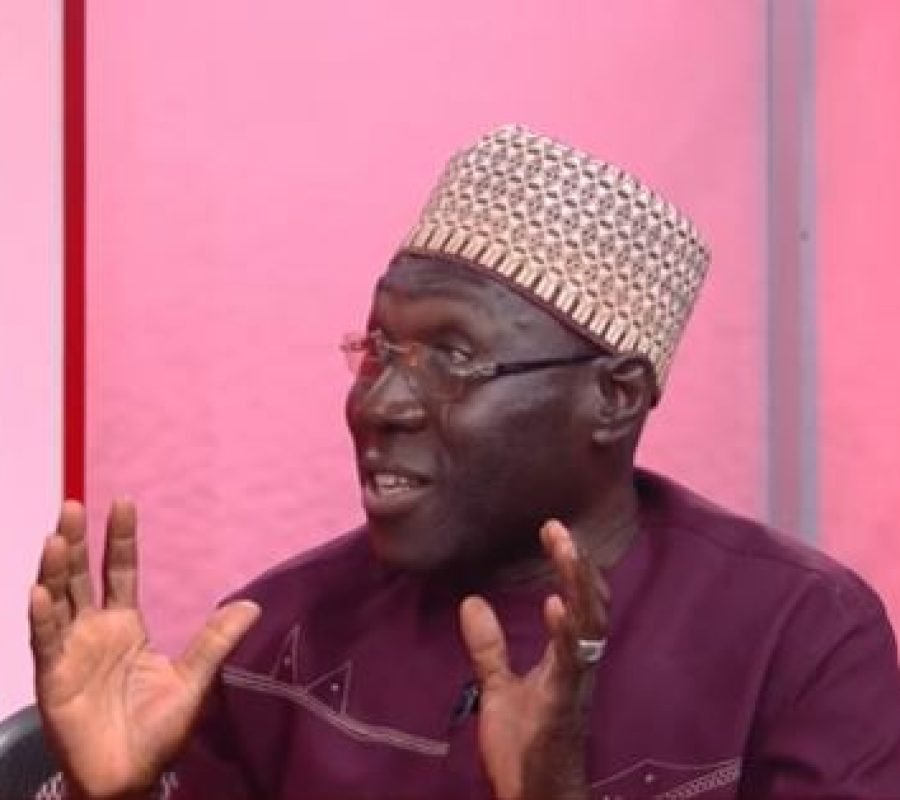
Government fully responsible for Accra flooding crisis – Miracles Aboagye

Government bears full responsibility for Accra’s recurring flooding crisis, according to Dennis Miracles Aboagye, Director of Communications for the Bawumia campaign team.
Speaking on JoyNews’ Newsfile on Saturday, July 4, Aboagye argued that while individual citizens may contribute to sanitation challenges, the state bears the ultimate duty to prevent and manage flood disasters.
“In every society, there will be thieves, there will be criminals, there will be miscreants, there will be deviants, there will be recidivists; they are everywhere,” he said. “But leadership ensures that all these people are able to co-exist in a way that the society thrives.”
Aboagye stressed that governance exists precisely because not all citizens behave responsibly, adding that leadership must ensure the majority are not made to suffer due to the actions of a few.
“To try and use the indiscipline of a few as a cover for leadership failure is unacceptable,” he said, insisting that the government must be held fully accountable for the crisis.
He pointed out that the government had previously acknowledged responsibility for flooding through the establishment of an anti-flood task force, questioning why such a task force was formed if the state did not accept responsibility.
“Why did you form that anti-flood task force? If you didn’t have the responsibility to deal with flood… it means that you acknowledge that it is your responsibility,” he said.
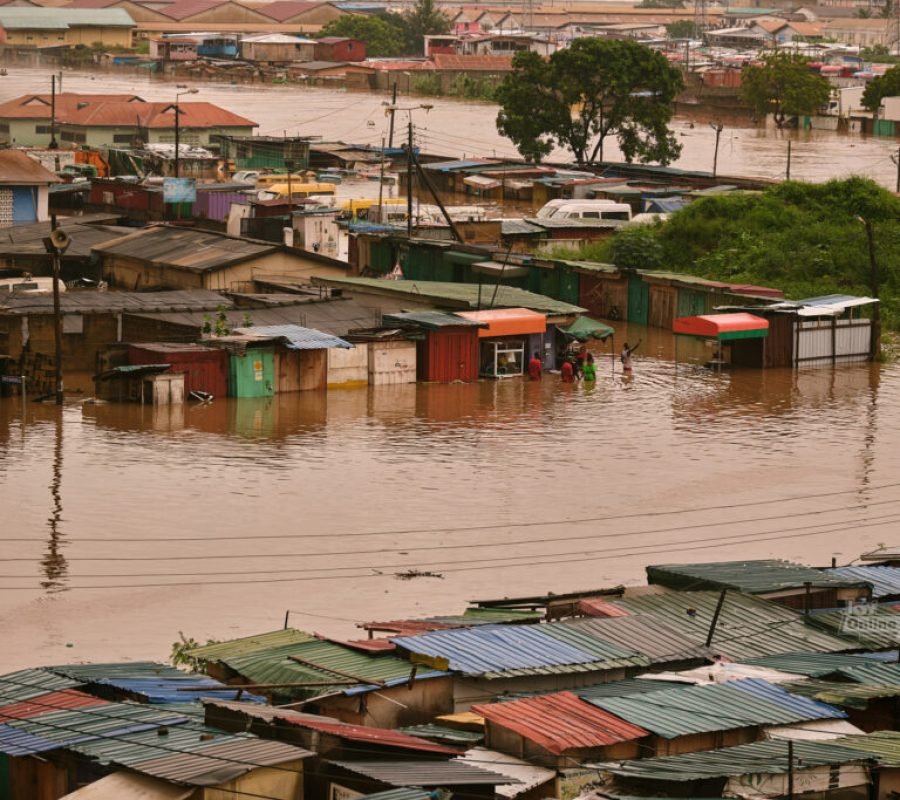
Aboagye maintained that recent flooding episodes, which have resulted in deaths and property destruction, demonstrate the failure of both prevention and emergency response efforts.
“So the president and the government have failed us. That is the summary of it,” he stated, adding that the situation amounts to a breakdown in accountability and governance.
Historically, Ghana has struggled with flooding since the 1960s, with successive governments failing to implement lasting solutions. The economic toll is staggering: a study by the Institute of Statistical, Social and Economic Research (ISSER) estimates that poor sanitation and flooding cost Ghana more than GH¢6.2 billion annually, diverting resources from essential services like healthcare and education.
Despite repeated promises and the formation of task forces, tangible progress has remained elusive. Critics argue that ad-hoc relief efforts and temporary fixes have replaced the sustained investment needed to redesign Accra’s drainage infrastructure, enforce building codes in flood-prone areas, and restore degraded wetlands.
The crisis is exacerbated by the loss of natural drainage buffers, as highlighted in a recent assessment by the Greater Accra Resilient and Integrated Development (GARID) project, which found that 16% of Accra’s legally protected drainage buffer zones have been lost to encroachment. This loss of critical wetland areas has undermined the city’s ability to manage heavy rainfall, turning what should be manageable storms into catastrophic floods.
Furthermore, the issue was recently discussed on a special live edition of Newsfile, which examined the floods alongside the dismissal of Justice Torkonoo’s case, underscoring the interconnectedness of environmental governance and judicial accountability in addressing Accra’s perennial flooding woes. The programme highlighted how legal and administrative hurdles often delay critical infrastructure projects meant to mitigate flood risks.
As the debate over responsibility intensifies, Aboagye’s insistence on governmental accountability offers a clear framework for moving forward. By rejecting the tendency to blame citizens for systemic failures, he calls for a renewed focus on state-led solutions that prioritize investment in resilient infrastructure, enforcement of environmental protections, and coordinated emergency response.
Without such leadership, the cycle of destruction and displacement is likely to continue, placing an unfair burden on the most vulnerable residents of Accra.
Moving forward, experts emphasize the need for a holistic approach that combines structural interventions with community engagement and strict enforcement of land-use regulations. Only through sustained political will and adequate funding can Accra hope to break the cycle of flooding and build resilience against the increasing threats posed by climate change.
Image Source: MYJOYONLINE