Ghana Ratifies Air Services Agreements with Six Nations to Boost Global Connectivity
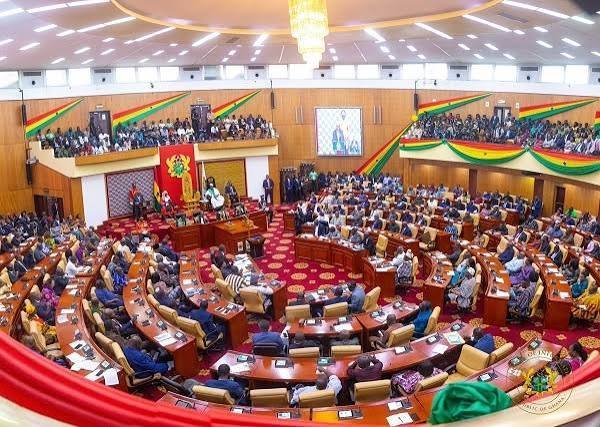
Ghana Ratifies Air Services Agreements with Six Nations to Boost Global Connectivity
By [Your Name]
July 1, 2026
ACCRA — In a significant move to strengthen its international aviation sector, Ghana’s Parliament has ratified bilateral air services agreements with six countries, paving the way for potential direct flight connections and enhanced economic ties with nations across four continents.
The agreements, which were ratified on Wednesday, cover partnerships with the Republic of Benin, the Kingdom of Saudi Arabia, the Republic of Mauritius, the Co-operative Republic of Guyana, the Grand Duchy of Luxembourg, and the State of Qatar. Signed between 2018 and 2023, the treaties establish the legal framework for commercial airline operations, covering everything from passenger and cargo transportation rights to market access for designated carriers.
Transport Minister Joseph Bukari Nikpe, who presented the agreements to Parliament for approval, emphasized their potential to transform Ghana’s aviation landscape. “These agreements provide the legal foundation for expanded air services that could significantly reduce travel times and improve cargo efficiency,” Nikpe stated during the parliamentary debate.
The ratification comes at a time when Ghana is seeking to position itself as a regional aviation hub in West Africa. By securing air service agreements with strategically located partners, the country aims to enhance its connectivity to key global markets while creating new opportunities for its domestic airlines.
Parliamentary debate on the measure highlighted both the opportunities and challenges inherent in expanding international air services. Kwabena Okyere Darko-Mensah, the Member of Parliament for Takoradi, used the occasion to advocate for a more comprehensive approach to aviation development that strengthens both international and domestic connections.
Drawing comparisons with Mauritius, Darko-Mensah noted that smaller aircraft operations have proven vital for connecting tourists to remote destinations. “Mauritius, for instance, has smaller planes that can do short distances to tourism sites. We don’t seem to have them in Ghana. If we have them, a lot of the hard-to-reach areas in Ghana can be reached to boost tourism in this country,” he argued.
The MP also highlighted the potential of charter services as an underdeveloped segment of Ghana’s aviation market. “Charter service is also one area we tend to fall short as a country. Our relationship after the ratification should enable us to take advantage of the opportunities to do some learning, to expand and generate more revenue as a country,” Darko-Mensah told fellow legislators.
Industry analysts note that the geographical diversity of the six partner nations offers Ghana varied opportunities. Agreements with Saudi Arabia and Qatar could facilitate increased travel for religious pilgrimage and business, while partnerships with Mauritius and Guyana open avenues for tourism and cultural exchange. The Benin and Luxembourg agreements strengthen regional and European connections respectively.
The aviation sector has long been identified as a critical component of Ghana’s economic diversification strategy. Improved air connectivity not only facilitates tourism and business travel but also supports the export of perishable goods and attracts foreign investment by improving accessibility.
Officials from the Ministry of Transport and the Ghana Civil Aviation Authority have begun preliminary discussions with aviation authorities in the partner countries to implement the agreements. Initial discussions are focusing on route allocations, safety standards compliance, and cooperative arrangements for air traffic management.
While the agreements create the legal framework for operations, actual flight schedules will depend on commercial decisions by airlines. Industry observers expect that negotiations with carriers will begin soon, with the possibility of inaugural flights later this year or early next year.
The ratification process included careful consideration of the agreements’ potential impact on Ghana’s existing aviation agreements and domestic airlines. Parliament’s approval came with the understanding that the new arrangements would complement rather than undermine existing air service commitments.
As Ghana continues to develop its aviation infrastructure, including ongoing upgrades to Kotoka International Airport and plans for regional airport developments, these newly ratified agreements represent a strategic step toward integrating the nation more fully into the global air transport network. The development signals Ghana’s commitment to leveraging international partnerships to drive economic growth through enhanced connectivity.
Image Source: MYJOYONLINE