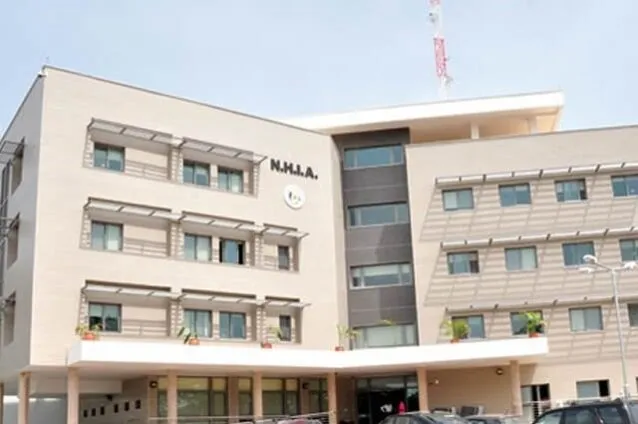
NHIA Offers Free NHIS Registration for Accra Flood Victims
Flood Victims in Accra to Receive Free NHIS Registration Amid Disease Outbreak Fears
By [Your Name]
July 1, 2026
ACCRA — In response to the devastating floods that have inundated parts of Ghana’s capital, the National Health Insurance Authority (NHIA) has launched an emergency initiative to provide free health insurance registration for affected residents, citing heightened risks of waterborne diseases such as cholera and diarrhoea.
The announcement, made on Wednesday, comes as floodwaters recede in some areas but leave behind a landscape of contaminated water sources, disrupted sanitation systems, and displaced communities. Health officials warn that the combination of stagnant water, damaged infrastructure, and overcrowded temporary shelters creates a perfect breeding ground for disease outbreaks.
The government’s response to the floods comes amid criticism from the opposition, which has blamed the June deluge on administrative shortcomings the opposition’s criticism. Dr. Victor Asare Bampoe, Chief Executive of the NHIA, emphasized the humanitarian imperative behind the decision. “No Ghanaian should be denied access to quality healthcare because of a natural disaster,” he stated. “With an imminent outbreak of diarrhoea and cholera following the floods, this free registration will ensure that victims and their families can seek timely treatment without financial burden.”
The free NHIS registration drive targets not only those directly displaced by the floods but also their dependents, recognizing that the health impacts extend beyond the immediate victims. By removing financial barriers to healthcare access, the NHIA aims to facilitate early detection and treatment of waterborne illnesses, which can escalate rapidly in vulnerable populations.
Health authorities have intensified surveillance in flood-affected areas, particularly in low-lying neighborhoods where drainage systems have been overwhelmed. Teams are distributing water purification tablets, conducting public health education campaigns on hygiene practices, and preparing treatment centers for potential cholera cases.
The initiative reflects a broader shift in disaster response strategy, moving beyond immediate relief items like food and blankets to address the longer-term public health consequences of flooding. As climate change increases the frequency and intensity of extreme weather events, integrating health protection into disaster response has become increasingly critical.
Residents in affected areas have expressed relief at the announcement, many of whom have struggled to access medical care since the floods began. Community leaders have urged authorities to ensure the registration process is accessible to all, including the elderly, persons with disabilities, and those living in informal settlements who may face additional barriers.
As Ghana grapples with the aftermath of what officials describe as unprecedented rainfall, the free NHIS registration represents a concrete step toward building resilience in the nation’s health system. By linking disaster response with preventive healthcare, authorities hope to mitigate not just the immediate suffering but also the long-term health impacts that often follow natural disasters.
The NHIA has called on other government agencies, NGOs, and community organizations to collaborate in identifying and registering eligible individuals. Registration centers have been set up in community halls, schools, and religious buildings across the affected districts, with mobile teams deployed to reach those unable to travel.
While the initiative addresses an urgent need, experts caution that sustainable solutions require investment in infrastructure improvements, early warning systems, and comprehensive urban planning to reduce Ghana’s vulnerability to future floods. As the country enters the peak of its rainy season, the focus remains on saving lives, preventing disease, and laying the groundwork for a more resilient future.
Image Source: MYJOYONLINE