Ghana Responds to South Africa Immigration Tensions
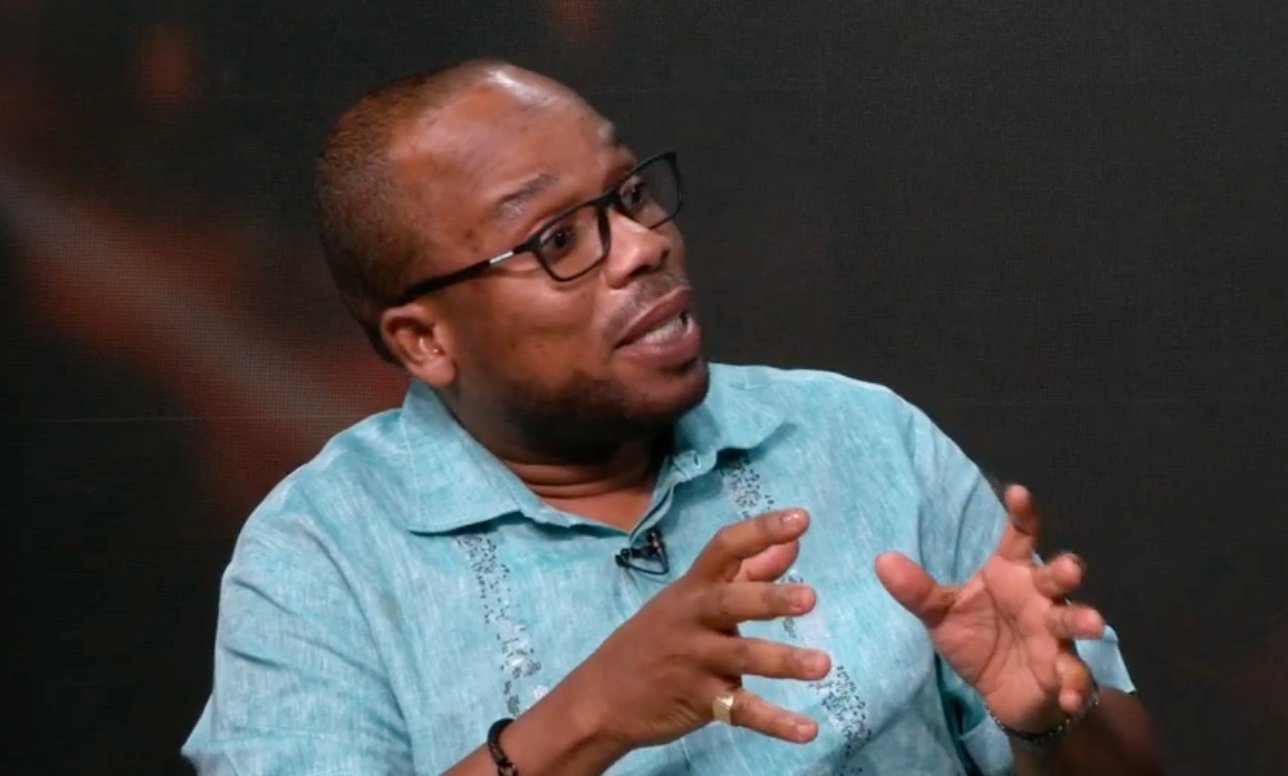
Ghana’s Diplomatic Engagement in South Africa: A Test of Regional Solidarity
The recent surge of anti-immigration protests across South Africa has placed Ghanaian nationals in a precarious position, testing both the effectiveness of continental diplomatic mechanisms and the commitment of African states to protect their citizens abroad. As thousands of undocumented Africans face an imminent June 30 deadline to depart the country—following warnings that echoed concerns raised in recent analyses of state authority and regional integration—Ghana’s High Commission in Pretoria has moved beyond passive observation to active engagement, offering a case study in how middle-power diplomacy can function amid rising xenophobic tensions.
Benjamin Quashie, Ghana’s High Commissioner to South Africa, outlined the mission’s multifaceted response in a recent interview on JoyNews’ Connect Africa program, emphasizing continuous dialogue with South African law enforcement agencies, immigration officials, and community stakeholders. Rather than issuing unilateral directives, the commission has adopted a calibrated approach of intensified monitoring coupled with precautionary advisories—including a temporary suspension of business activities for Ghanaian shop owners until security conditions improve. This measured response acknowledges both the legitimate concerns of host communities regarding undocumented migration and the fundamental rights of migrant populations to due process and protection from violence. Following the precedent set by earlier advisories urging nationals to remain indoors during periods of heightened tension, the mission has reinforced its guidance to prioritize safety while maintaining diplomatic channels.
The situation underscores a persistent challenge in African governance: how to balance state sovereignty with regional responsibility when crises cross national borders. South Africa’s deadline-driven approach to undocumented migration reflects broader continental struggles with immigration policy frameworks that often prioritize expulsion over integration, creating humanitarian crises that strain regional relations. Yet Ghana’s response demonstrates an alternative pathway—one that maintains diplomatic channels while advising citizens to exercise prudence and avoid confrontation. By engaging both authorities and affected community leaders, the High Commission seeks to prevent escalation while upholding its protective mandate under international consular conventions.
Notably, the mission’s strategy extends beyond immediate crisis management to address the psychological toll on Ghanaian residents living in heightened anxiety. Quashie’s appeals for calm, reinforced by reminders of presidential-level concern from President John Dramani Mahama in Accra, acknowledge that effective diplomacy must attend to both physical safety and emotional well-being. The High Commissioner specifically noted that foreign affairs ministry officials make virtual check-ins twice or even three times daily to monitor the situation, demonstrating an institutional commitment to real-time crisis monitoring that could serve as a model for other African missions facing similar challenges.
In addition to diplomatic engagement, the High Commission has issued specific advisories urging Ghanaian nationals to avoid protest hotspots, refrain from unnecessary travel after dark, and maintain copies of their identification documents at all times. Community leaders have been enlisted to disseminate these guidelines through local Ghanaian associations, creating a grassroots communication network that complements official channels. This multi-layered approach recognizes that citizen safety requires both state intervention and community cooperation.
As regional bodies like the African Union grapple with migration protocols and human rights obligations, Ghana’s approach in South Africa offers a nuanced template: firm in its commitment to protecting national citizens, yet flexible in its engagement with host-state authorities through dialogue rather than confrontation. The true measure of this diplomacy will not be found in immediate headlines but in whether it helps create space for sustainable solutions that respect both South Africa’s domestic priorities in managing immigration and the continental ideal of African solidarity that upholds the rights of all Africans to dignity and security.
Image Source: MYJOYONLINE