Bawumia Calls for National Unity Amid Ghana's Devastating Floods
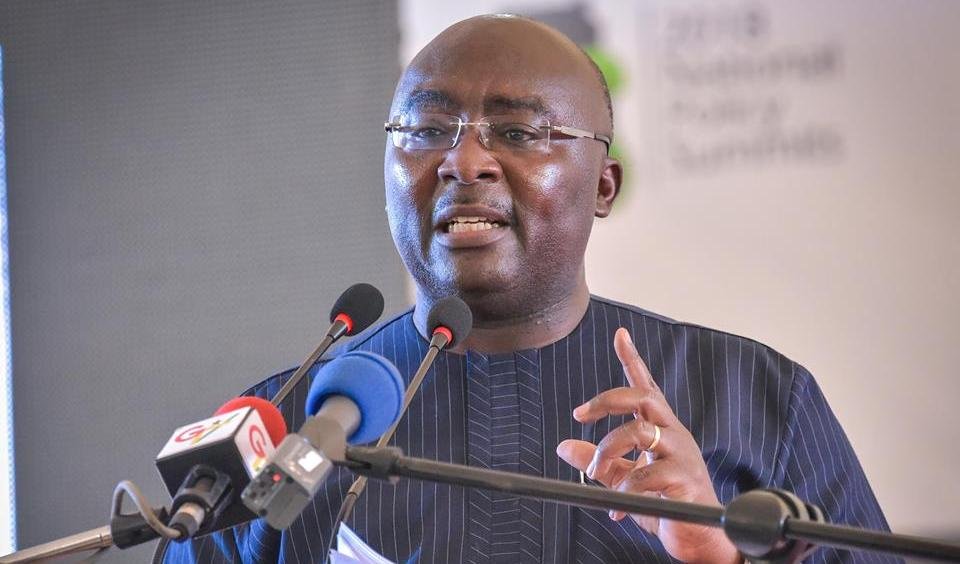
In the wake of devastating floods that have swept through Ghana’s Greater Accra Region and beyond, former Vice President Dr. Mahamudu Bawumia has issued a powerful call for national unity, urging citizens to transcend political divisions in the face of a shared humanitarian crisis.
Speaking from the heart of the affected communities on June 30, 2026, Bawumia framed the disaster not as a localized incident but as a national tragedy demanding collective resolve. His visit to inundated neighborhoods came just days after record rainfall submerged homes, disrupted commerce, and claimed at least twelve lives across multiple regions.
‘This is not merely an Accra problem or a Greater Accra Metropolis challenge,’ Bawumia emphasized during his tour of flood-ravaged areas. ‘It is a tragedy for all of Ghana.’ His words carried particular weight given his position as the New Patriotic Party’s 2028 presidential candidate and former vice president, underscoring the bipartisan nature of the appeal.
The flooding, triggered by unprecedented rainfall on June 29, has exposed critical vulnerabilities in Ghana’s infrastructure and emergency response systems, concerns echoed in recent analyses of the nation’s flood preparedness. Beyond the immediate human toll, the disaster has displaced thousands, submerged countless homes and vehicles, paralyzed businesses, and created extensive traffic gridlock that has hampered relief efforts, affecting communities across multiple regions as documented in recent government assessments.
Bawumia’s message was clear: partisan politics must yield to pragmatic solutions. ‘I do not wish to see this crisis devolve into political point-scoring,’ he stated. ‘This is a genuine challenge confronting our nation, and our focus should be on rapid, effective resolution rather than ideological battles.’
He specifically called for coordinated action among emergency services, government agencies, and community organizations to accelerate victim recovery and deliver timely aid to displaced families. The appeal reflects growing recognition that effective disaster response requires breaking down bureaucratic silos and fostering collaboration across traditional boundaries.
The former vice president’s intervention highlights a crucial tension in Ghana’s political landscape: the temptation to exploit crises for partisan advantage versus the responsibility to prioritize national welfare. By framing the floods as a shared national burden rather than a political opportunity, Bawumia is attempting to elevate discourse above the fray.
His comments come amid broader discussions about Ghana’s preparedness for climate-related disasters, which scientists warn are increasing in expected frequency and intensity due to changing weather patterns. The current crisis has reignited debates about investment in flood infrastructure, urban planning reforms, and early warning systems — topics that have long competed for attention amid other pressing national priorities.
What distinguishes this moment is the explicit rejection of politicization. In an era where natural disasters often become fodder for political point-scoring, Bawumia’s stance represents a deliberate effort to preserve the humanitarian focus of disaster response. Whether this appeal will translate into sustained cross-party cooperation remains to be seen, but it establishes an important marker for how Ghana’s leaders might approach future crises.
Image Source: MYJOYONLINE