Ghana Government Rules Out Major Public Sector Pay Hikes in 2026, Opts for Targeted Allowance Adjustments
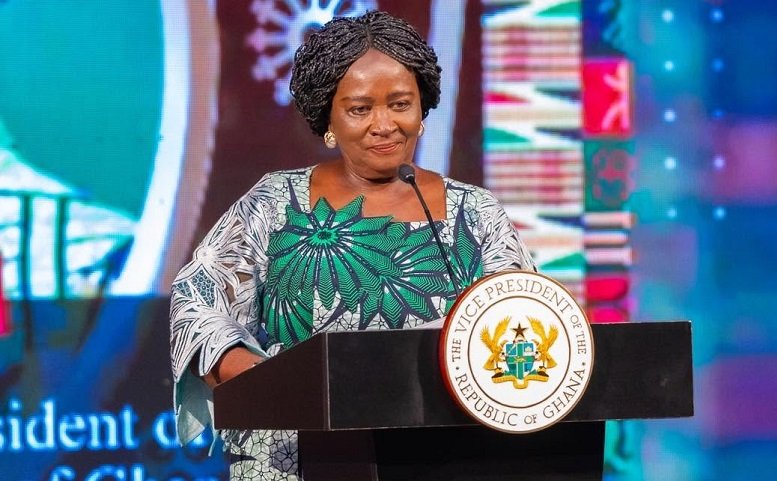
The government of Ghana has ruled out major, across-the-board revisions to public sector conditions of service for the 2026 fiscal year, opting instead for targeted and modest adjustments to select allowances as an interim measure while comprehensive reforms are developed.
Vice President Professor Jane Naana Opoku-Agyemang announced the policy direction during her keynote address at the 2026 Annual National Labour Conference held in Ho, emphasizing that the administration is prioritizing long-term structural stability over short-term wage increases despite acknowledging significant strain on the current compensation structure.
“The establishment of the Independent Emolument Commission is a deliberate intervention to address the issue,” the Vice President stated. “It allows the government to stabilise the compensation system and build strong institutional conventions, while ensuring continuity and industrial harmony.”
Addressing concerns from labour unions and employer associations, Prof. Opoku-Agyemang clarified that 2026 will not see widespread renegotiation of public sector terms. Instead, the government will implement focused improvements to specific allowances as a temporary measure while work continues on a fundamental overhaul of the national emoluments framework.
“The government has also proposed that 2026 will not be a year for major renegotiation of conditions of service across the public sector,” she explained. “Instead, targeted and modest improvement to selected allowances will be implemented as an interim measure while the foundational reforms to our emolument system are completed.”
This approach aims to provide the necessary fiscal space to stabilize the compensation system without triggering economic volatility, according to the Vice President. By avoiding sweeping wage hikes that could exacerbate inflationary pressures, the government seeks to create a more predictable environment for negotiations while the newly established Independent Emolument Commission works toward standardizing pay structures across the public service.
The announcement comes amid growing pressure from organized labor for salary adjustments in response to rising living costs. However, the government’s stance reflects a strategic decision to address systemic issues through institutional reform rather than episodic negotiations that may fail to deliver lasting solutions.
In addition to addressing public sector compensation, the Vice President highlighted the administration’s commitment to extending social protection to the informal sector, which employs over 70 percent of Ghana’s workforce. This broader perspective underscores the government’s recognition that economic resilience requires inclusive policies that extend beyond formal employment structures.
By choosing a measured approach to wage adjustments, the government aims to balance immediate needs with long-term sustainability. The targeted allowance increases will provide interim relief to certain public sector workers while avoiding the potential pitfalls of across-the-board increments that could undermine fiscal stability.
As the Independent Emolument Commission continues its work on comprehensive reform, the administration’s strategy represents a pragmatic effort to manage expectations and maintain social dialogue. The focus on institutional capacity-building suggests a recognition that sustainable solutions require robust frameworks rather than periodic adjustments.
Ultimately, the government’s position reflects a commitment to fiscal responsibility and systemic improvement. By deferring major renegotiations until structural reforms are in place, Ghana seeks to build a compensation system that is both fair and financially viable—a goal that requires patience, careful planning, and sustained engagement with all stakeholders.
Image Source: MYJOYONLINE