Ghana and Germany strengthen green hydrogen collaboration for sustainable industrial development
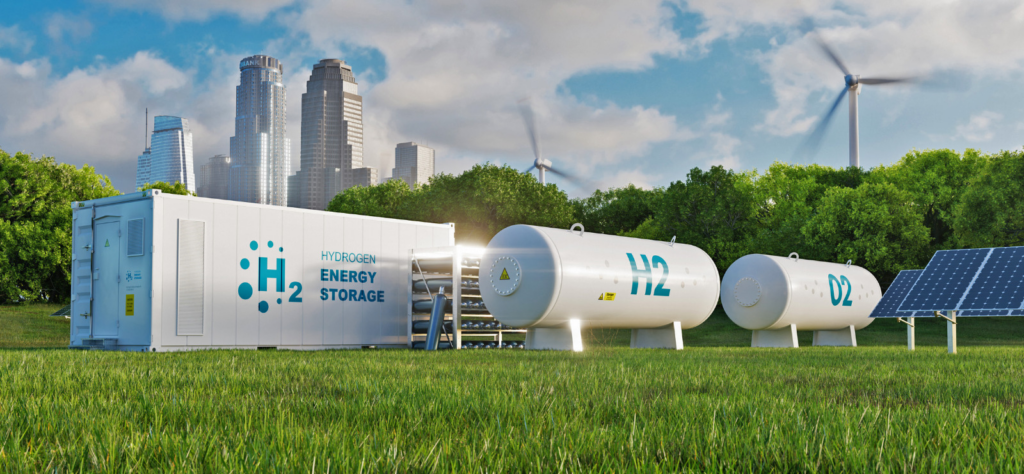
Ghana and Germany Strengthen Green Hydrogen Partnership for Sustainable Industrial Growth
By [Your Name]
June 26, 2026
In a virtual seminar held under the TWAS-DFG Cooperation Visits Programme, researchers, policymakers, industry leaders, and development partners from Ghana and Germany reaffirmed their commitment to advancing green hydrogen technologies as a cornerstone of sustainable industrial development. The event, organized by Ghana’s Council for Scientific and Industrial Research (CSIR)–Institute of Industrial Research (CSIR-IIR) and the Institute of Renewable Energy Systems (IRES) at the University of Applied Sciences Stralsund, highlighted the immense potential of green hydrogen to decenter industrial processes, enhance energy security, and drive economic growth across both nations.
Professor Paul P. Bosu, Director-General of CSIR, emphasized that international collaboration is vital for accelerating renewable energy innovation, technology transfer, and sustainable industrial development. He noted that Ghana possesses substantial renewable energy resources, with an estimated annual green hydrogen production potential of 14,196 metric tons from solar energy and 10,123 metric tons from wind energy. This abundance creates opportunities for decentralized hydrogen systems that could support local industrial growth, create jobs, and open export markets.
Ing. Dr. Francis Boateng Agyenim, Director of CSIR-IIR, outlined the multifaceted benefits of green hydrogen, including industrial decarbonization, enhanced energy security, job creation, technology transfer, and sustainable economic development. He stressed that realizing these benefits requires a comprehensive national hydrogen strategy that outlines clear production pathways, utilization strategies, infrastructure development plans, and market integration mechanisms, especially in light of recent discussions on energy affordability such as the debate over electricity tariff adjustments here.
Professor Ralph Sonntag, Rector of the University of Applied Sciences Stralsund, reaffirmed Germany’s commitment to strengthening research collaboration with Ghana to address global energy challenges and support the transition to sustainable energy systems. He pointed to Germany’s own hydrogen strategy as a model, emphasizing that successful hydrogen economies depend not only on abundant renewable resources but also on supportive policies, robust regulatory frameworks, attractive investment mechanisms, and strong international partnerships, drawing parallels to Ghana’s recent engagement with carbon markets as a climate action tool here.
Gyimah Mohammed, representing Ghana’s Ministry of Environment, Science and Technology, called for stronger policy support, increased research investments, and strategic partnerships to accelerate hydrogen technology deployment. He urged policymakers to create an enabling environment that encourages private sector investment and fosters innovation in the green hydrogen sector.
Industry representatives from the Association of Ghana Industries (AGI) and the German Chambers of Commerce Abroad (AHK) highlighted the importance of pilot projects, public-private partnerships, industrial off-takers, and proof-of-concept demonstrations. They emphasized that decentralized hydrogen systems—such as those powered by solar or wind—can serve as scalable models for future large-scale commercial deployment, particularly in industries seeking to reduce their carbon footprint.
The keynote address by Professor Johannes Gulden, Director of IRES, underscored the need for a coordinated national vision and long-term planning. Drawing on Germany’s experience, he argued that a clear national hydrogen strategy is essential for aligning stakeholders around common goals and providing direction for sustainable hydrogen economy growth. Once such a framework is established, smaller projects and initiatives can be effectively integrated to support national objectives.
During the open forum, participants discussed a range of complementary topics, including green ammonia production, renewable energy integration, hydrogen-based energy storage solutions, infrastructure development, policy frameworks, workforce development, and financing opportunities. These discussions underscored the interconnected nature of the hydrogen value chain and the need for holistic approaches to ensure sustainable development.
The seminar concluded with a renewed commitment to deepen cooperation in research, innovation, capacity building, and technology deployment. Participants agreed that green hydrogen has the potential to serve as a key driver of sustainable industrial development and energy transition in Ghana and beyond, offering a pathway to decarbonize hard-to-abate sectors while fostering economic growth and job creation.
Participant evaluations confirmed the seminar’s success, with attendees rating the event highly for its relevance, quality of presentations, and potential impact. As Ghana and Germany move forward, their collaboration on green hydrogen could serve as a model for international partnerships aimed at achieving global climate goals and sustainable development objectives.
Image Source: MYJOYONLINE