ORCC, GHS, CEA sensitise apprentices on reproductive health in Nkwanta South
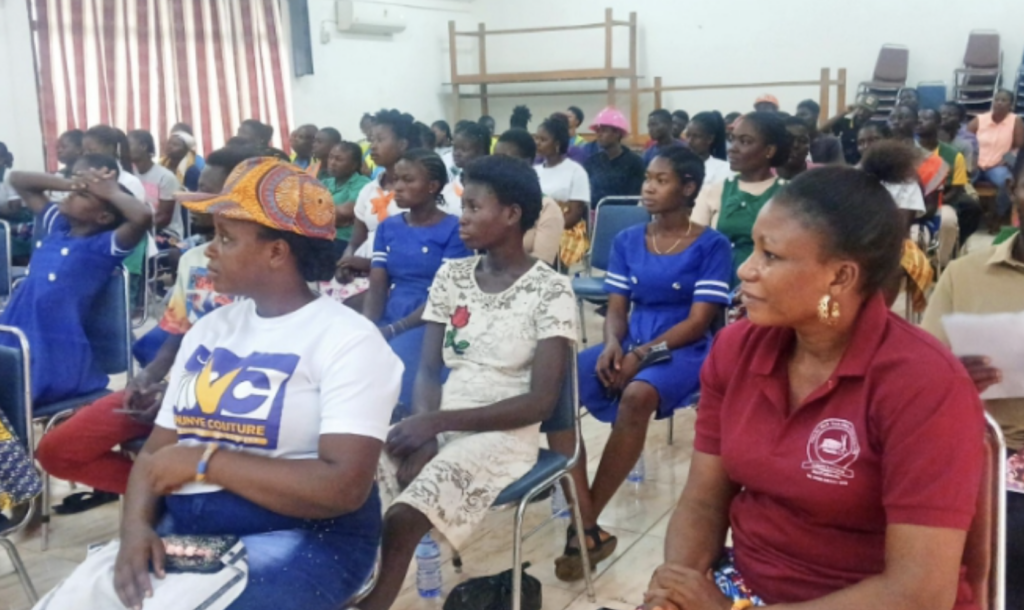
The Oti Regional Coordinating Council (ORCC), in collaboration with the Ghana Health Service (GHS) and the Complementary Education Agency (CEA), has initiated a critical intervention to address adolescent sexual and reproductive health challenges in the Nkwanta South Municipality. Funded by the United Nations Population Fund (UNFPA) Ghana, a one-day sensitisation workshop brought together 90 apprentices from diverse vocational trades, including hairdressing, dressmaking, welding, and fabrication, to equip them as peer educators on reproductive health matters.
The initiative comes at a time when adolescent reproductive health remains a pressing concern in Ghana. Mr. Benjamin Attipoe, a Social Welfare Officer, cited recent Ghana Health Service data indicating that one in ten adolescent girls and one in seven adolescent boys engage in sexual activity before the age of 15, a trend that necessitates urgent intervention. Such early sexual activity increases the risk of teenage pregnancy, sexually transmitted infections (STIs), and undermines educational attainment.
Mr. Adade Richard, Oti Regional Director of the CEA, emphasized the programme’s focus on empowering young people to make informed decisions rather than encouraging early sexual activity. ‘This workshop affirms that your voice, your health, and your future matter. You have been selected as peer educators because young people listen to and learn from one another,’ he stated. The training provided participants with factual information on adolescent sexual and reproductive health, enabling them to engage in informed discussions and support their peers in making responsible choices.
Mr. Alfred Kwasi Domena, a Public Health Representative, facilitated sessions covering physical and emotional changes during puberty, reproductive anatomy, menstrual health management, and common misconceptions surrounding reproductive health. The discussions also addressed teenage pregnancy, STIs, HIV prevention, consent, healthy relationships, and the importance of accessing adolescent-friendly health services.
Presenting local data, Mr. Domena disclosed that teenage pregnancies recorded among antenatal care registrants in Nkwanta South Municipality stood at 623 cases in 2023, declined to 573 in 2024, but increased slightly to 585 in 2025. This fluctuation underscores the need for sustained education, community engagement, and strengthened collaboration among stakeholders to address adolescent reproductive health challenges effectively.
Participants were urged to share the knowledge gained during the workshop with their colleagues and peers, support young people in accessing available health and social services, and serve as positive role models within their communities. The workshop concluded with a call for enhanced collaboration among government institutions, development partners, community leaders, parents, and young people to reduce adolescent pregnancy, combat gender-based violence, and advance comprehensive reproductive health education in the municipality.
The initiative reflects a growing recognition of the importance of investing in young people’s health and education as a cornerstone of sustainable development. By equipping apprentices with accurate information and positioning them as peer educators, the programme leverages the power of peer influence to foster healthier behaviours and responsible decision-making among adolescents in Nkwanta South and beyond.
Image Source: MYJOYONLINE