Electro Mirror shares music business insights at TGMA music summit
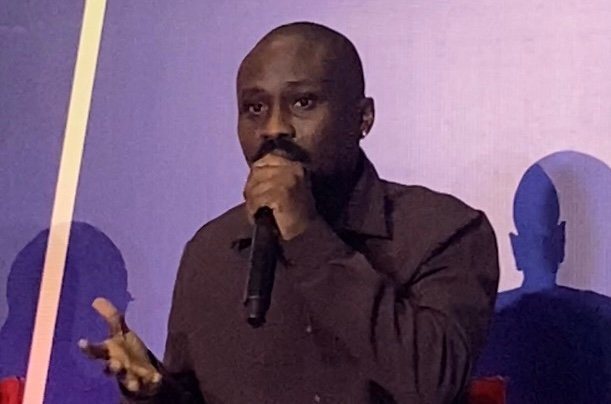
The Telecel Ghana Music Awards (TGMA) National Music Summit served as a vital platform for industry veterans to share hard-earned wisdom, and few delivered insights as pragmatically as Emmanuel Sedo, known professionally as Electro Mirror. As founder of FlipTheMusic and the architect behind Ghanaian singer Gyakie’s first international deal, Sedo used his address to emphasize a truth often overlooked in the excitement of creative pursuits: sustainable success in music requires equal mastery of art and commerce.
Drawing from personal experience, Sedo recounted an early career misstep where signing an inadequate international contract led to lessons that reshaped his approach. “I made an error signing our first international contract and came back with a better offer,” he stated, framing the anecdote not as regret but as evidence of why contractual literacy remains non-negotiable for artists aiming for longevity. His message resonated deeply in an era where streaming algorithms and viral trends can overshadow the foundational importance of understanding rights, royalties, and revenue splits.
Beyond contracts, Sedo stressed the dual imperatives of originality and consistency as antidotes to industry saturation. In a market flooded with derivative content, he argued that distinctive sonic identity—not merely technical proficiency—creates the competitive edge necessary for artists to transcend local scenes. This originality, however, must be paired with relentless consistency in output and professional conduct to build trust with audiences and industry gatekeepers alike. “Originality and consistency are key factors that help musicians remain relevant and sustainable in the industry,” he noted, directly linking these traits to career durability.
The summit’s focus on practical knowledge aligned perfectly with Sedo’s advocacy for artists to treat their craft as a business. He urged attendees to view every collaboration, performance, and release through a lens of strategic value creation, warning that passion without financial acumen often leads to short-lived careers. His insights highlighted a critical gap in Ghana’s music ecosystem: while talent abounds, structured education on music business practices remains inaccessible to many aspiring artists.
Sedo’s address also underscored the ripple effects of informed decision-making. By securing Gyakie’s inaugural international deal, he not only advanced one artist’s career but also demonstrated a replicable pathway for Ghanaian talent to access global markets. This case study reinforced his argument that understanding contracts isn’t merely self-protective—it actively enables artists to leverage opportunities that amplify their reach and impact.
As the music industry continues to evolve amid digital disruption and shifting consumer behaviours, Sedo’s message serves as a timely reminder: the most enduring artists are those who balance creative vision with disciplined business execution. For Ghana’s next generation of musical innovators, the TGMA Summit didn’t just offer inspiration—it provided a blueprint for turning artistic passion into lasting professional success.
Image Source: MYJOYONLINE