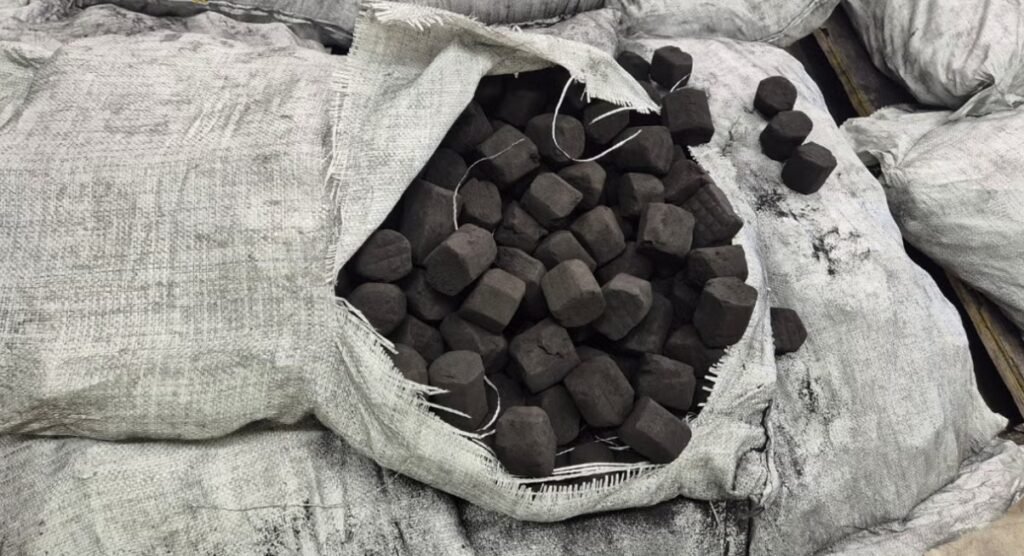
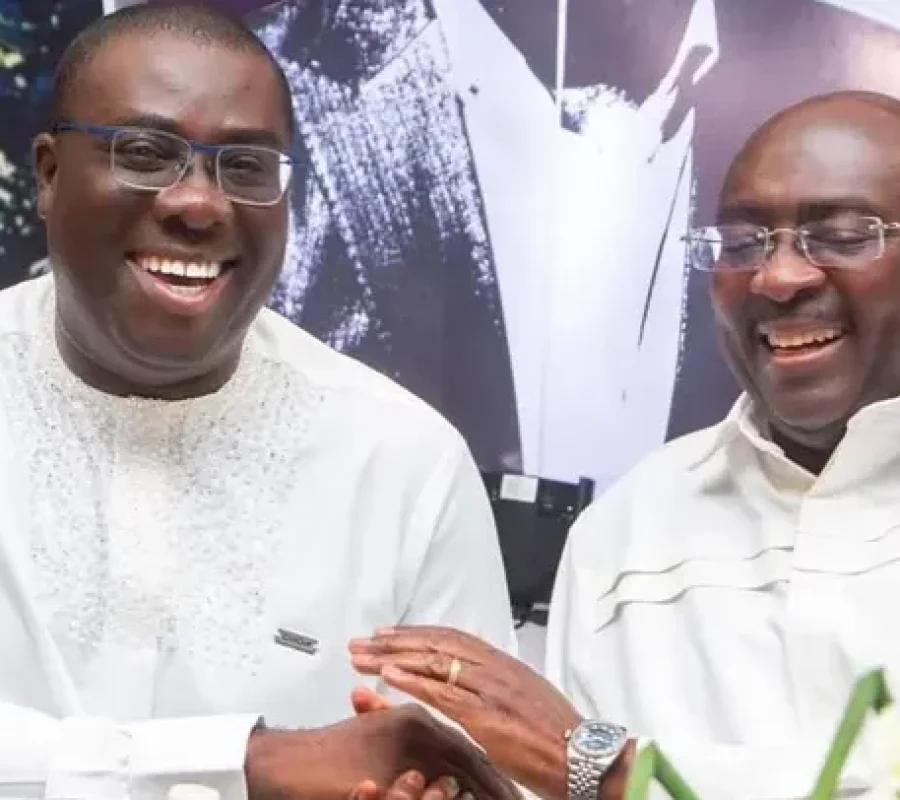
Bright Simons has raised serious concerns about Ghana’s apparent lack of transparency following a major methamphetamine seizure in Australia, where 320 kg of the drug — valued at approximately 10 million — was discovered concealed in charcoal shipments from Ghana. The incident, which occurred in April 2026, has gone without substantive public update from Ghanaian security agencies, prompting Simons to question the effectiveness of the country’s export regulatory framework and its role in the global methamphetamine trade.
According to Simons, Australian border police intercepted two containers of charcoal exported from Ghana to Port Botany, Australia, finding the methamphetamine hidden within. The seizure underscores a growing trend: Ghana is increasingly becoming a node in the production and transit of meth precursors, raw chemicals that can be easily converted into methamphetamine. Despite regulations requiring charcoal export permits and production licenses from the Energy Commission, the permit process appears to be vulnerable to circumvention, with strict quotas often ignored.
Simons points out that the Energy Commission’s publicly inspectable register should contain details of approved charcoal exports, yet no data corresponding to Australian destinations is visible. Commercial databases show only a fraction of the expected wood exports to Australia, suggesting a significant gap between official records and actual shipments. This lack of transparency not only hinders efforts to track illicit trade but also erodes trust in Ghanaian institutions.
The article calls for the Energy Commission and NACOC (the Narcotics Control Commission) to improve data collection, enhance monitoring of export permits, and provide regular public updates on seizures and investigations. Without such measures, Ghana risks being perceived as a weak link in the global fight against drug trafficking, with potential repercussions for legitimate exporters and international partnerships.
Image Source: MYJOYONLINE