Fire guts Wa West Hospital drug store; leaders pledge support
Fire Ravages Wa West Hospital Drug Store, Leaders Vow to Rebuild Critical Medical Supplies
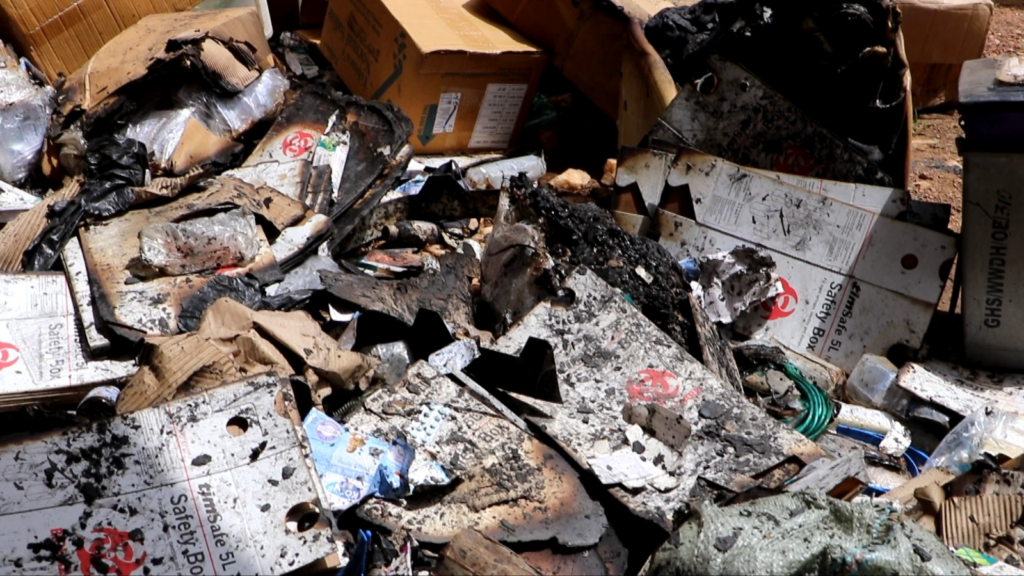
A fire that erupted in the drug store of Wa West District Hospital in Ghana’s Upper West Region has destroyed vital medical supplies, intensifying concerns about healthcare access in the area. Despite the extensive loss of intravenous fluids, essential medications, maternal and infant care supplies, and other consumables, no casualties or injuries were reported, thanks to the swift response of the Ghana National Fire Service and the alertness of hospital staff.
The incident, suspected to have been caused by an electrical fault, was detected when a nurse noticed sparks in the drug store/storage room—a area housing highly flammable medical consumables. The fire spread rapidly but was contained by emergency responders, preventing further damage to the hospital’s ceiling and electrical systems. Acting Medical Superintendent Dr. Jonathan Zumakpeh credited the nurse’s vigilance and the fire service’s quick action for averting a worse outcome.
Local leaders have since pledged robust support for recovery. Member of Parliament for Wa West, Peter Toobu Lanchene, visited the facility, commended the fire service, and committed to full financial and logistical assistance for rebuilding. District Chief Executive Richard Wullo described the event as a “sad day” and promised a united district effort to restore the hospital once the fire service completes its damage assessment. Dr. Zumakpeh emphasized shared responsibility for disaster prevention, urging the public to act swiftly during emergencies rather than assuming it is “somebody else’s job.”
The destruction of medical supplies poses immediate challenges to hospital operations. Essential medications, IV fluids, and specialised items like eye drops are critical for daily patient care, particularly for maternal and infant health. The loss threatens to disrupt services until replacements are procured, potentially increasing the burden on residents who must seek care elsewhere or go without needed treatments.
Interestingly, the aftermath of the fire intersected with another local development. After assessing the hospital damage, the delegation including the MP and DCE traveled to Ponyentanga to inspect a proposed site for relocating residents displaced by the construction of a 24‑hour market project. The market, intended to boost local trade and revenue, required demolition of several properties, temporarily displacing residents. Leaders indicated they would coordinate efforts to address both the hospital’s recovery and the residents’ relocation needs once the full fire service report is available.
This incident underscores the vulnerability of healthcare infrastructure to sudden disasters and the importance of robust emergency response systems. While the absence of casualties is a relief, the loss of medical supplies represents a significant setback for a district hospital serving a rural population. The pledges of support from local leaders are a positive step, but timely action is needed to replenish stocks and restore normal operations.
As Ghana continues to invest in healthcare improvements, events like this highlight the need for disaster preparedness within health facilities, including proper storage of flammable materials, regular electrical inspections, and clear emergency protocols. The resilience of the hospital staff and the coordinated response from local authorities offer a foundation for rebuilding, but the focus must now shift to ensuring that such losses do not recur and that communities retain access to essential health services.
Image Source: MYJOYONLINE