Mahama Establishes Three Global Panels to Drive International Reparations Agenda
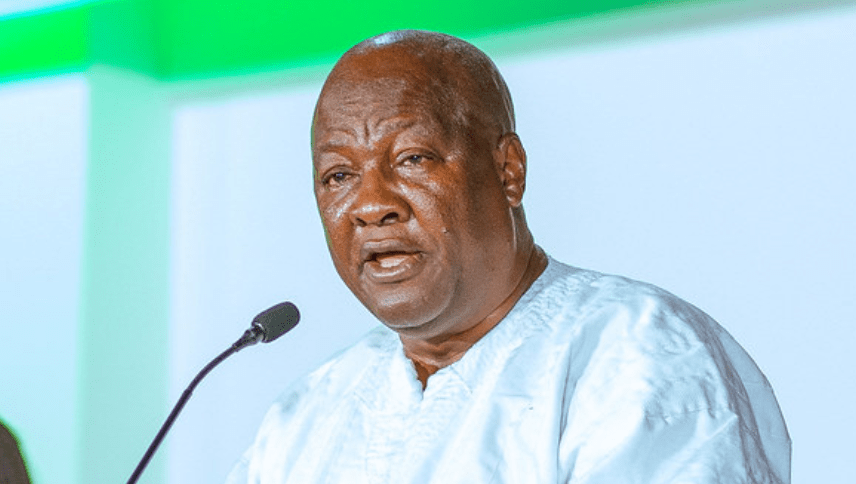
President John Dramani Mahama has announced the creation of three high-level international panels designed to advance the implementation of a landmark United Nations resolution declaring the trafficking of enslaved Africans and racialised chattel enslavement as the gravest crime against humanity.
The announcement came during the opening of the High-Level Consultative Conference in Accra on Thursday, marking what officials described as the next phase of the campaign behind UN Resolution A/RES/80/250, which was adopted by the General Assembly in March 2026 with the support of 123 member states.
We do not seek to reopen old wounds. We seek to heal those wounds. We do not seek division. We seek justice, understanding, and reconciliation grounded in truth, President Mahama told delegates.
The three panels represent a structural shift in how the global reparations movement plans to operate, moving from advocacy toward implementation through legal, advisory, and cultural channels.
Advisory, Cultural, and Legal Pillars
The Global Advisory Panel on Reparatory Justice will provide strategic guidance and is composed of sitting heads of state, including Namibian President Netumbo Nandi-Ndaitwah, Liberian President Joseph Nyuma Boakai, Senegalese President Bassirou Diomaye Faye, and Barbados Prime Minister Mia Amor Mottley.
The Expert Panel on the Restitution of Cultural Artefacts has been tasked with facilitating the return of cultural properties, archives, sacred objects, and historical treasures to their rightful communities across the African diaspora, a subject that has gained considerable momentum in recent years as European museums have faced increasing pressure to repatriate looted works.
The Global Legal Panel on Reparatory Justice will explore legal pathways consistent with international law, human dignity, and justice, drawing on the expertise of distinguished jurists and legal scholars.
Continental and Diaspora Solidarity
The conference drew participation from across the African continent and the Caribbean. Among the heads of state present were President Carlos Vila Nova of Sao Tome and Principe, Prime Minister Manuel Osa Nsue Nsua of Equatorial Guinea, and the Speaker of the Algerian Parliament, Azouz Nasri.
President Nandi-Ndaitwah used her address to draw a direct parallel between the transatlantic slave trade and Namibias own experience of colonial genocide. She reaffirmed her countrys commitment to restorative justice for the 1904-1908 mass killings of the Ovaherero and Nama peoples by German colonial forces, framing it as part of the broader African quest for historical recognition and redress.
French President Emmanuel Macron, in a recorded message, cautioned against reducing the reparations debate to financial compensation alone. He argued that genuine justice must encompass truth-telling, education, memorialisation, and the restitution of stolen cultural heritage.
Ghanas Historical Testimony
President Mahama pointed to Ghanas own historical sites, Elmina Castle, Cape Coast Castle, Assin Manso, and the Osu Castle, as physical testaments to the transatlantic slave trade and the suffering it inflicted. He noted with evident emotion that descendants of those who were forcibly taken now return to the continent not in chains, but as presidents, prime ministers, scholars, jurists, activists, historians and citizens of the world.
The panels are expected to draw on the CARICOM 10-Point Plan for Reparatory Justice as a foundational framework, broadening the agenda beyond monetary compensation to include public health crises, educational deficits, and cultural erasure that have persisted as legacies of enslavement and colonialism. The formation of the panels follows the conference earlier this year where President Mahama first outlined his vision for a structured, multilateral approach to reparatory justice.
Image Source: GHANA BUSINESS NEWS