RTI Commission Losing Lawyers Faster Than It Can Replace Them, Head of Legal Warns
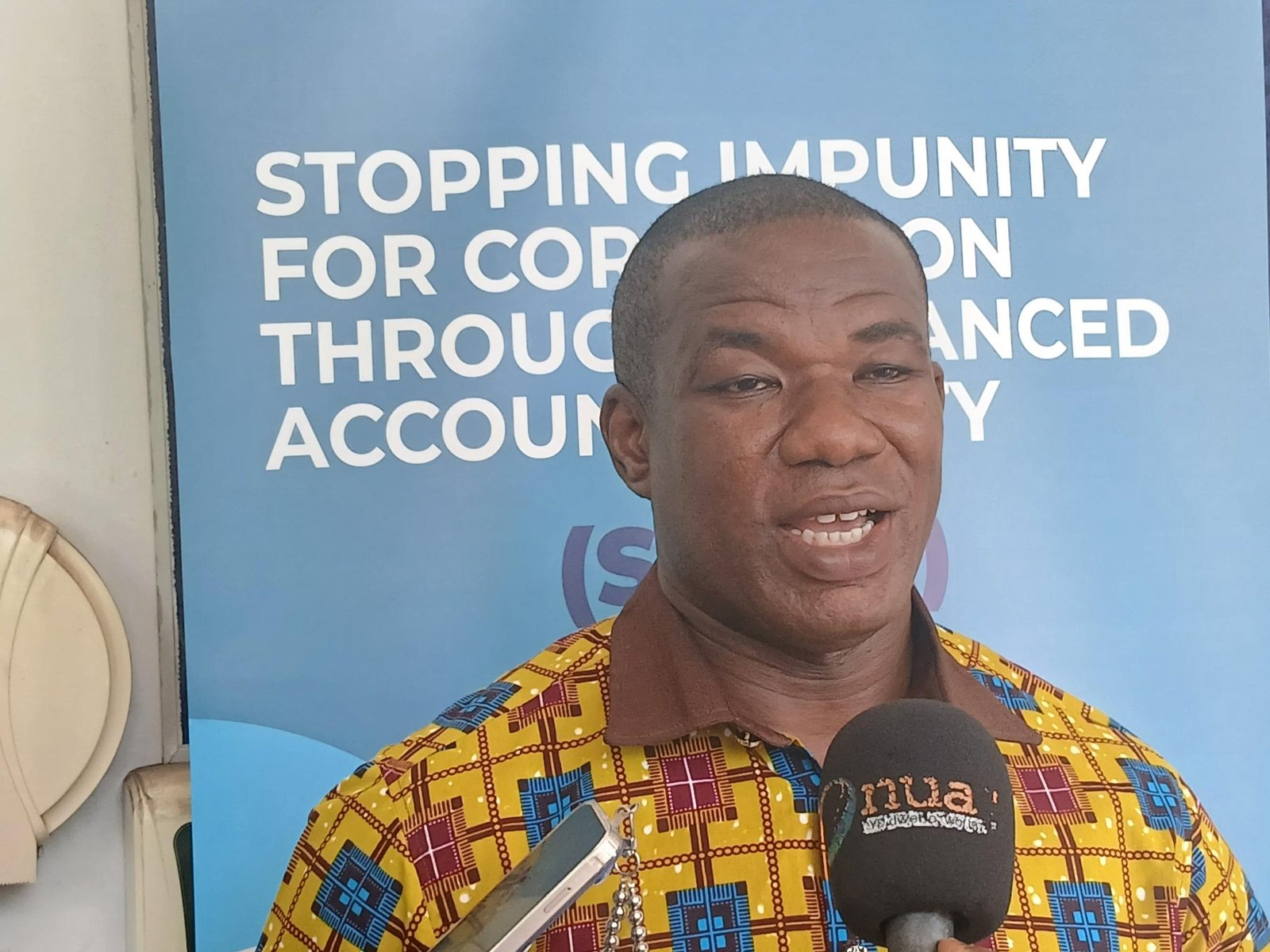
Ghana’s Right to Information Commission is haemorrhaging trained lawyers at a rate that threatens to cripple the body charged with enforcing citizens’ constitutional right to government-held information, according to the Commission’s own Head of Legal.
Stephen Owusu told a public forum on Tuesday that his legal department, which once had eight lawyers, was reduced to just one by the first quarter of 2025. The departures have created a grinding bottleneck: incoming complaints and information requests pile up faster than the remaining staff can process them, while court cases tied to disputed requests continue to mount.
“I train the lawyers, they leave,” Mr Owusu said, describing a cycle in which the Commission invests scarce resources in developing newly qualified attorneys, only to lose them to better-paying positions elsewhere in government or the private sector.
A Mandate Under Pressure
The RTI Commission was established in 2020 under Section 40 of the Right to Information Act, 2019 (Act 989), with a mandate to promote, monitor, protect and enforce the right guaranteed under Article 21(1)(f) of the 1992 Constitution. In its early years, most requests came from media organisations and civil-society groups. That has changed. Citizen-driven applications now dominate the Commission’s workload, a shift that reflects growing public awareness of the law — but also deepens the staffing crisis.
The Commission recruited 120 staff members in 2022, yet high turnover has eroded those gains. Mr Owusu said the body, despite being an independent statutory agency, continues to grapple with limited financial and human resources that make retention an uphill battle.
Institutional Resistance Adds to the Burden
The staffing squeeze is compounded by pushback from some public institutions reluctant to release information. Mr Owusu cited the National Signals Bureau as one agency that has sought exemptions on grounds of operational confidentiality. The Commission’s position, he stressed, is that no institution can opt out of the law entirely; only specific categories of information may be withheld.
A recent study by Transparency International Ghana found that bureaucratic delays, institutional resistance and inadequate digital infrastructure remain the chief obstacles to effective RTI implementation across West Africa. The study also flagged low public awareness at the grassroots level and a pattern of institutions failing to proactively disclose information, forcing citizens to file formal requests for material that should already be in the public domain.
Legislative Instrument Nears Completion
On the regulatory front, draft subsidiary legislation — a Legislative Instrument to accompany the RTI Act — is largely complete and currently under review by the Commission’s governing board. Mr Owusu expressed optimism that the LI would reach Parliament before the end of 2026, providing clearer procedural guidelines that could ease some of the operational strain.
But without a credible plan to recruit and retain legal professionals, observers warn, even the best regulations will be rendered ineffective by a Commission too understaffed to enforce them. The challenge, ultimately, is not just about passing laws — it is about giving the institutions meant to uphold them the resources to do so.
Image Source: GHANA BUSINESS NEWS