Africa Demands Faster Climate Action as Negotiators Push for Predictable Funding Ahead of COP31
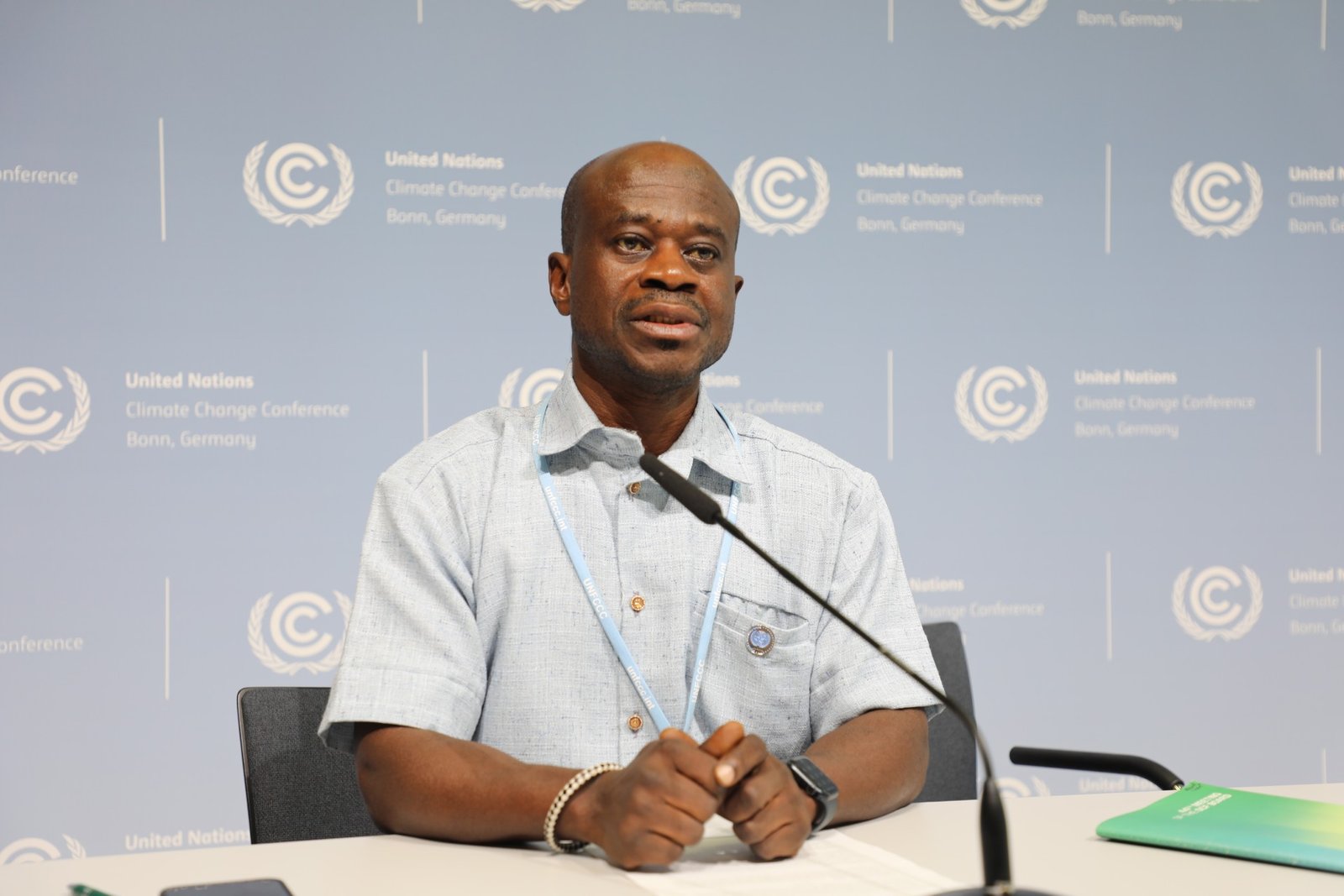
Dr Nana Antwi-Boasiako Amoah, the Chair of the African Group of Negotiators (AGN) on Climate Change, has issued an urgent call for predictable and rapid financing to address the escalating climate impacts devastating the continent, warning that delays in decision-making are no longer acceptable.
Speaking at the ongoing SB64 subsidiary body negotiations in Bonn, Germany, Dr Amoah stressed that Africa cannot afford to wait while climate impacts intensify across the region. “The continent cannot afford delays in decisions while climate impacts continue to intensify across the continent,” he said, adding that the current negotiations must produce a credible pathway towards practical results at COP31 and COP32.
Trust in the Multilateral Process at Risk
The AGN chair raised concerns that previously agreed issues — including climate finance and trade-related climate measures — have been omitted from the formal negotiating agenda. “Excluding agreed mandates from official discussions risks weakening confidence in the multilateral process,” Dr Amoah warned, calling for transparency and respect for the rules that all parties have already accepted.
The remarks come at a delicate moment for international climate diplomacy. Developing nations, particularly in Africa, have long argued that the global climate architecture favours industrialised countries while leaving the most vulnerable populations without adequate support.
Concrete Demands Across Key Sectors
The African negotiating bloc has outlined specific priorities for immediate action. In agriculture, the group is pressing for accelerated investment and support, recognising the sector’s centrality to livelihoods across the continent. On technology, the demand is for faster access, transfer and capacity-building to help African nations adopt climate-friendly solutions.
The negotiators are also pushing for concrete, funded adaptation targets and implementation plans, alongside stronger and more ambitious emissions reduction commitments from major polluters.
Just Transition and Inclusive Participation
Progress on the just transition agenda — ensuring that the shift to climate-friendly development does not harm social and economic conditions — was acknowledged, but the AGN stressed that institutional arrangements supporting this framework must be finalised and ready for adoption at COP31.
The group also called for the meaningful inclusion of women, young people, indigenous peoples, local communities and other vulnerable populations in all climate decision-making and implementation processes, arguing that effective outcomes are impossible without broad participation.
What Is at Stake
Africa contributes a fraction of global greenhouse gas emissions yet bears a disproportionate share of the consequences — from droughts and floods to food insecurity and displacement. The AGN’s position reflects a growing frustration among developing nations that the pace of international climate action remains out of step with the urgency of the crisis they face on the ground.
As the Bonn talks continue, the African delegation is making clear that the window for incremental progress is closing. What the continent needs, Dr Amoah argued, is not more promises but measurable commitments backed by real money — and a multilateral system that honours the agreements it has already made.
Image Source: GHANA BUSINESS NEWS