Nigerian Man Jailed for Storing Human Faeces Outside His Home in Kano
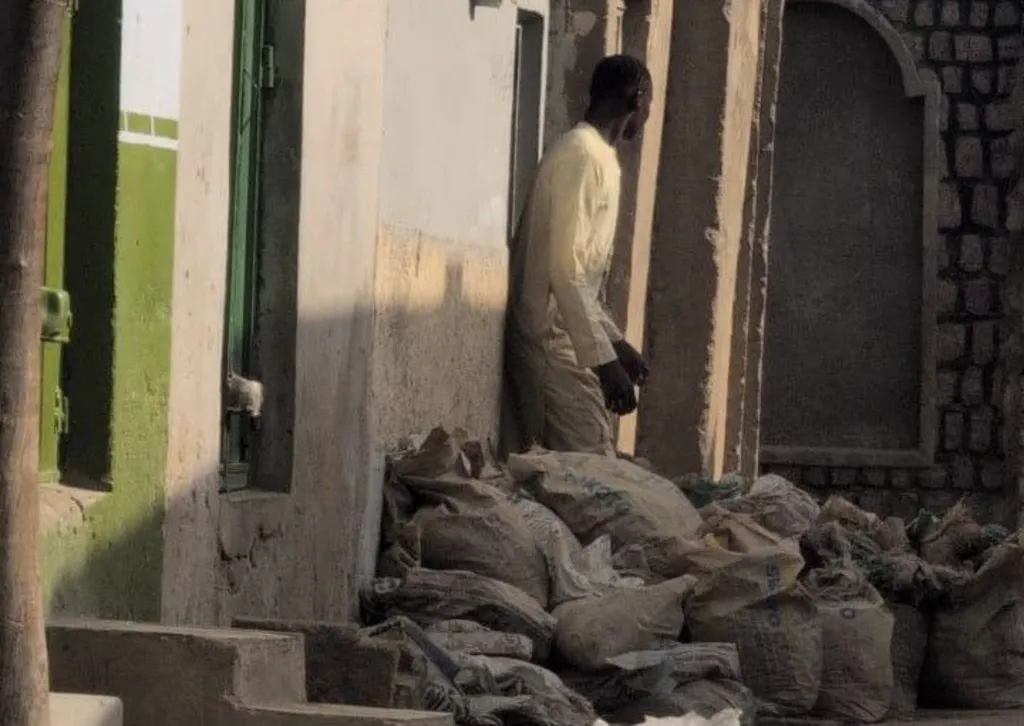
A magistrate court in Kano, northern Nigeria, has sentenced a septic-tank worker to 14 days in prison and fined him 100,000 naira after neighbours complained that he had been storing dozens of bags of human faeces outside his residence, creating a stench that made life in the surrounding area, in the words of one resident, “unbearable.”
Mohammed Saidu, who earns his living emptying septic tanks, was charged with endangering public health. Magistrate Halima Wali visited the property, observed the bags firsthand, and ordered Saidu to clear all waste from the premises and pledge not to repeat the offence.
The case first came to light when residents of the neighbourhood reported a persistent foul smell to their local chief, Musa Abdullahi. Abdullahi told the court that when the complaint initially reached him, Saidu had “close to 50 bags of faeces” stored on his property.
“We spoke to him about it but he did not stop,” said Samaila Inuwa, one of the neighbours who had tried to resolve the matter privately before escalating it to environmental officials and ultimately the courts.
Saidu is believed to have been collecting the waste to sell to farmers as fertiliser, a practice that, while not uncommon in parts of northern Nigeria, operates entirely outside any regulatory framework. The case has highlighted the public-health risks posed by informal waste-management practices in densely populated urban areas, where the absence of oversight can turn a livelihood into a neighbourhood crisis.
For the residents who endured months of the smell, the court’s intervention brought relief. “Finally, our neighbourhood is enjoyable once more without any bad smell,” Inuwa said after the ruling.
Abdullahi, the local chief, struck a conciliatory tone, saying he hoped the matter could be resolved amicably once Saidu completes his sentence. “When he is released, we will talk to him and the neighbours again,” he said. “My mission is for everybody in this area to live in peace.”
The sentence, though modest by any standard, sends a signal that community health complaints can lead to swift judicial action in Nigeria’s magistrate courts. It also raises broader questions about the regulation of informal waste recycling in a country where municipal sanitation infrastructure remains patchy and enforcement is inconsistent.
Across much of West Africa, the line between informal enterprise and public-health hazard is often thin. In Kano, a city of several million people, the case of Mohammed Saidu illustrates what can happen when that line is crossed without any institutional mechanism to manage the consequences.
Image Source: MYJOYONLINE