NDC Cut Ministers But Expanded Diplomatic Payroll, Oppong Nkrumah Claims
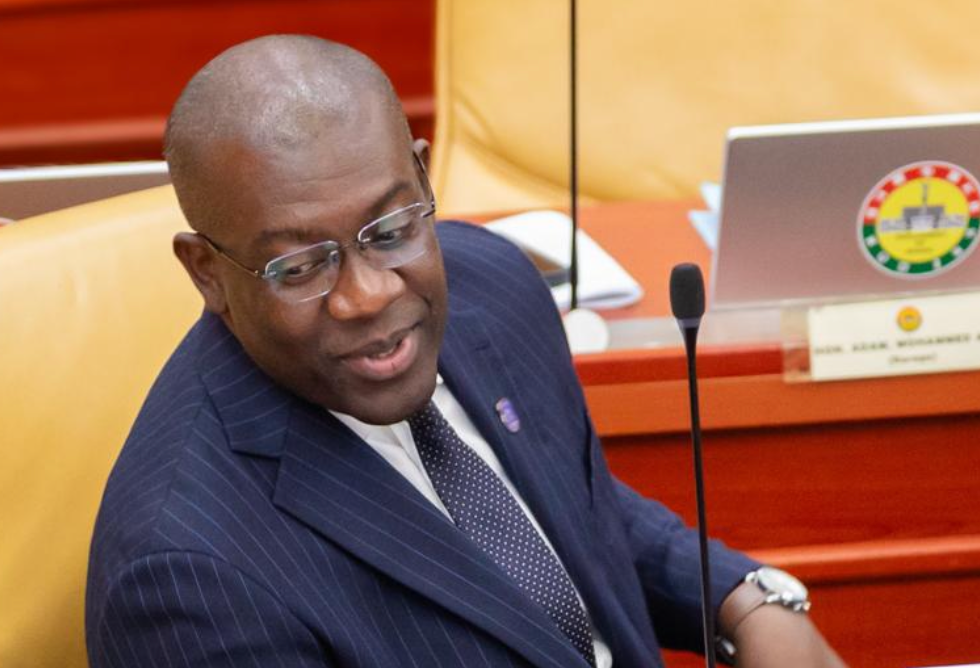
The opposition New Patriotic Party has challenged the governing National Democratic Congress’ claim of running a leaner government, arguing that a reduction in ministerial appointments has been offset by a significant expansion of diplomatic postings and their associated costs.
Kojo Oppong Nkrumah, the Member of Parliament for Ofoase-Ayirebi, presented figures obtained through a Right to Information request filed with the Ministry of Foreign Affairs in January 2026. The ministry initially failed to respond within the statutory deadline, but released the documents in May 2026 after internal review proceedings under case number RTIC/AFR/25/2026.
The data shows that each Deputy Head of Mission costs the Ghanaian taxpayer approximately US$45,475 annually, equivalent to about GH₵537,000, in basic salary and cash allowances alone. That figure includes a monthly basic salary of US$3,639.58, a clothing allowance of US$150, child allowances of up to US$1,800 per month for three children, an education grant of roughly US$583 monthly, and warm clothing allowances for postings in cold-climate countries.
When additional cash benefits such as child allowances, education grants, and warm clothing provisions are factored in, the annual bill for all 18 Deputy Head of Mission positions rises to approximately GH₵12.9 million. Including accommodation, foreign service allowances, official vehicles, medical benefits, domestic staff, and other operational support costs, the total annual expenditure could reach GH₵25.6 million.
“The figures are not mine,” Oppong Nkrumah maintained during his presentation. “They are the government’s own figures released under the Right to Information Act.”
The NDC came to power on a promise of fiscal discipline, pledging to reduce the size of government by appointing fewer ministers than its predecessors. That narrative has been central to the party’s public messaging on governance costs. However, the NPP contends that the savings from fewer ministerial positions have been consumed by a parallel expansion in diplomatic staffing.
The debate touches on broader concerns about public-sector spending and fiscal consolidation. Ghana’s economy has shown signs of recovery in recent months, with the banking sector recording strong growth and the current account posting a surplus, but pressure remains on government to demonstrate that fiscal discipline extends across all arms of the executive.
Stakeholders and civil society organisations have called on the Ministry of Foreign Affairs to provide a full, itemised breakdown of all diplomatic mission costs beyond the cash allowances already disclosed. Parliament may also consider establishing a dedicated oversight mechanism to audit diplomatic staffing expenses on an annual basis, ensuring that claims of lean governance are matched by actual expenditure data.
The exchange underscores the ongoing contest between the two major parties over which side can credibly claim to manage the public purse more responsibly, a debate that is likely to intensify as the country moves closer to the next election cycle. The NDC’s flagbearer contest for the 2028 presidential election adds another layer to the scrutiny, as candidates seek to position themselves as stewards of fiscal responsibility.
Image Source: MYJOYONLINE