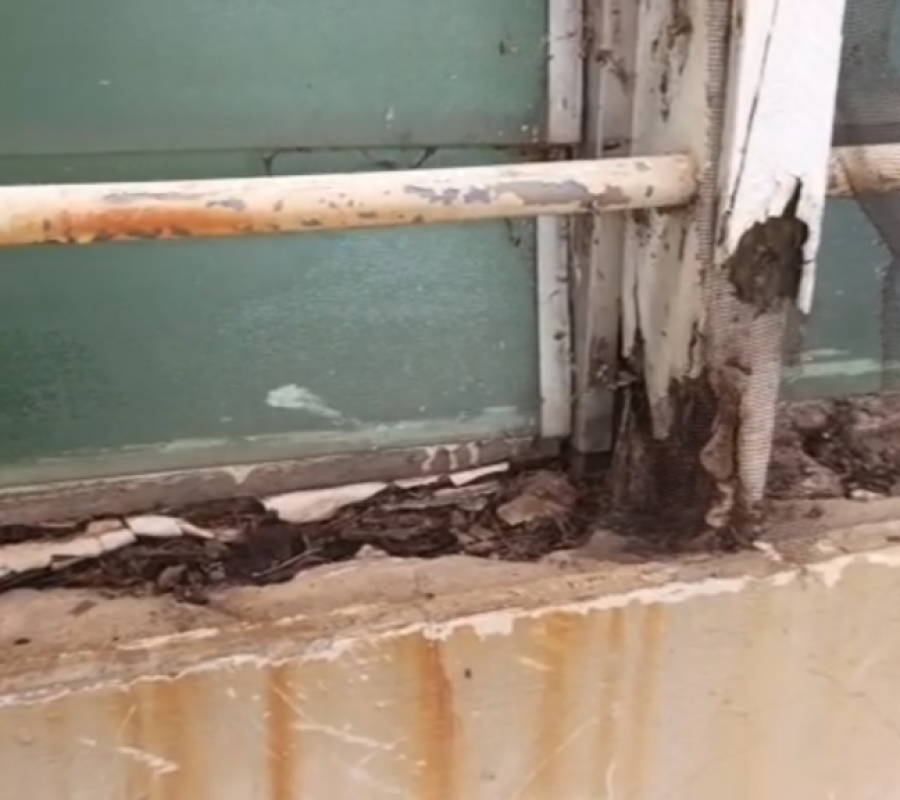
Interior Minister Inaugurates 13-Member Committee to Probe Causes of Recent Building Collapses
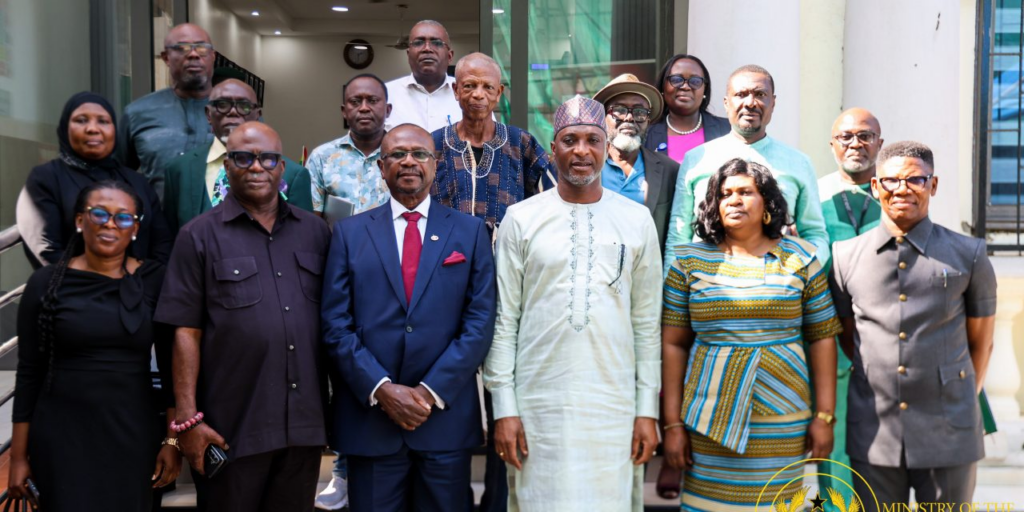
Interior Minister Muntaka Mohammed-Mubarak has inaugurated a 13-member committee to investigate the causes of a spate of deadly building collapses that have shaken public confidence in construction safety across the country.
The committee, chaired by Brigadier General B. F. Kusi, was formally established on Tuesday with a mandate to examine every plausible factor behind the recent incidents—from structural defects and the use of substandard construction materials to design deficiencies, environmental degradation and institutional failures in regulatory oversight.
“The collapse of a building is not merely a structural failure,” the Minister said at the inauguration ceremony. “It is often a failure of systems, processes, oversight, and accountability. We owe it to the victims and future generations to ensure that the lessons from these incidents lead to meaningful reforms.”
The committee’s scope is deliberately comprehensive. Beyond the immediate technical causes—faulty materials, poor engineering, shoddy workmanship—the inquiry will examine climate-related factors, human negligence and the broader institutional landscape that has allowed unsafe structures to be built, occupied and, in some cases, left standing despite known risks.
The Minister urged committee members to conduct their work with professionalism, objectivity, independence and integrity, stressing that their recommendations must be practical, evidence-based and capable of implementation. He called on relevant institutions, professional bodies, developers, property owners and communities to cooperate fully with the committee, warning that the era of impunity regarding unsafe buildings must end.
Ghana’s building collapse problem is not new, but its recent escalation has made it impossible to ignore. Multiple incidents in the Greater Accra Region alone have claimed lives and left communities traumatised. In each case, the immediate aftermath has followed a familiar pattern: rescue operations, public grief, political promises and, eventually, silence. What has been conspicuously absent is a systematic, evidence-driven response that addresses root causes rather than symptoms.
The composition of the committee suggests an attempt to break that pattern. By placing a senior military officer at the helm and drawing members from across the relevant disciplines, the government appears to be signalling that the inquiry will not be a token exercise. The inclusion of environmental and climate-related factors in the terms of reference is particularly notable, reflecting a growing recognition that Ghana’s construction challenges cannot be separated from its broader environmental pressures.
Yet the committee’s success will ultimately be judged not by the elegance of its report but by the willingness of government agencies to act on its findings. Previous investigations into building failures have produced recommendations that gathered dust on ministry shelves. The real test lies in whether this inquiry produces concrete measures to improve construction safety, strengthen regulatory oversight, enhance enforcement mechanisms and build community resilience.
The stakes are high. With rapid urbanisation driving construction across the country—often outpacing the capacity of regulatory bodies to monitor it—the risk of further collapses is not theoretical. It is a matter of when, not if, unless systemic change follows.
The Minister’s warning about the end of impunity was unequivocal. Whether that rhetoric translates into action—prosecutions for negligent builders, revocation of licences for non-compliant developers, genuine enforcement of building codes—remains to be seen. But the establishment of the committee, at the very least, marks an acknowledgement that building collapses in Ghana are not acts of nature. They are failures of governance, and they demand a governance response.
The committee is expected to conduct site inspections, engage with stakeholders across the construction sector and deliver a comprehensive report with actionable recommendations to the Ministry of the Interior. The public, and particularly the families of those who have lost loved ones to structural failures, will be watching closely.
Image Source: MYJOYONLINE