Ghana Gas and NPA Reaffirm Partnership in High-Level Meeting
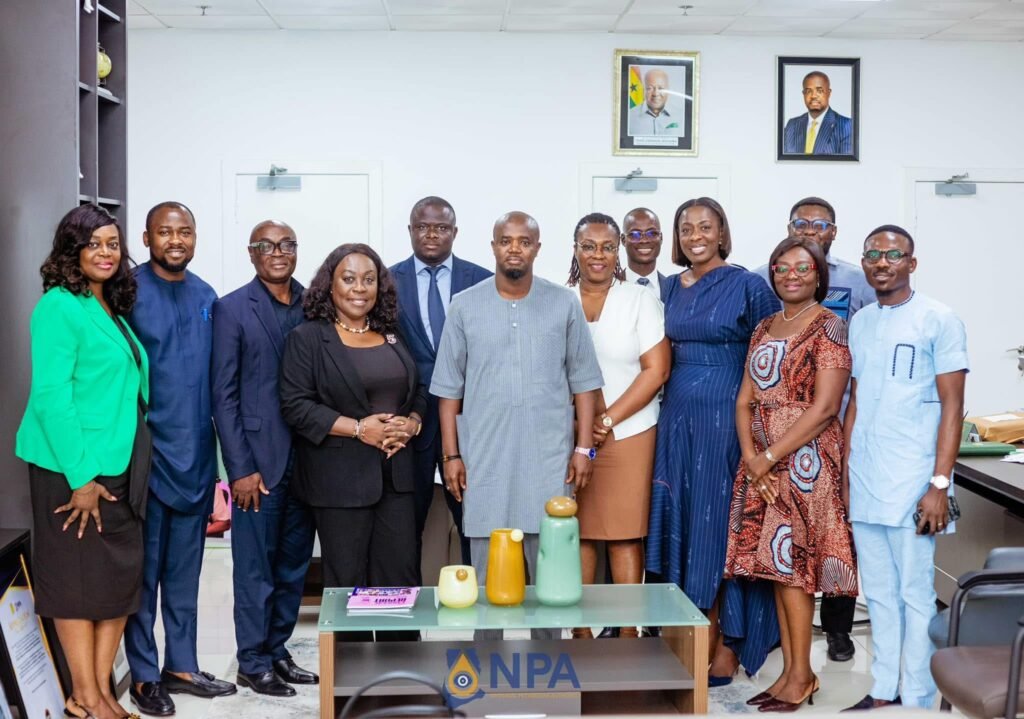
The Chief Executive Officer of Ghana National Gas Limited, Judith Adjobah Blay, has paid a courtesy call on the head of the National Petroleum Authority, Godwin Kudzo Tameklo, in a meeting both leaders described as a critical step toward deeper operational collaboration in the country’s energy sector.
The visit, which took place on Monday, builds on discussions first initiated in August 2025 when the two state agencies explored ways to align their mandates. Ghana Gas operates in the downstream gas space while the NPA serves as the regulator of petroleum products, a relationship that, when coordinated well, can unlock significant efficiencies for businesses that depend on both institutions.
Ms Blay said after the engagement that the two had agreed to meet again following their initial August 2025 meeting, to discuss technical issues with a bearing on the work of both the NPA and Ghana Gas. She emphasised that since both entities serve businesses, such meetings are necessary to ensure they remain on the same page in how they support the companies that rely on their services.
Mr Tameklo, for his part, gave a firm assurance that the NPA would intensify its operational efforts to ease the regulatory burden on Ghana Gas and ensure the company’s activities proceed without unnecessary friction. He thanked Ms Blay for the visit and assured Ghana Gas of the NPA’s continued commitment to ensuring that nothing undermines its operations.
The meeting concluded with both agencies reaffirming their partnership and committing to technical collaboration aimed at resolving operational bottlenecks. The NPA pledged to deliver on its share of the agreements reached, while Ghana Gas assured continued constructive engagement.
The significance of such inter-agency coordination is not lost on industry observers. Ghana’s energy sector has long grappled with siloed operations among its key institutions, a challenge that periodically surfaces in public debate about the country’s ability to maximise returns from its oil and gas resources. When regulatory bodies and state-owned enterprises in the sector work in concert, the downstream effects, from smoother gas supply chains to more predictable pricing, tend to benefit the broader economy.
Both agencies serve overlapping constituencies of industrial and commercial users, making their alignment a matter of practical importance rather than mere protocol. The commitment to address technical issues suggests both sides are moving beyond pleasantries and into the substance of operational integration, a development that energy sector watchers will be monitoring closely in the months ahead.
Image Source: MYJOYONLINE