Government Denies Sale of Ghana International Bank Shares After Kofi Bentil Raises Alarm
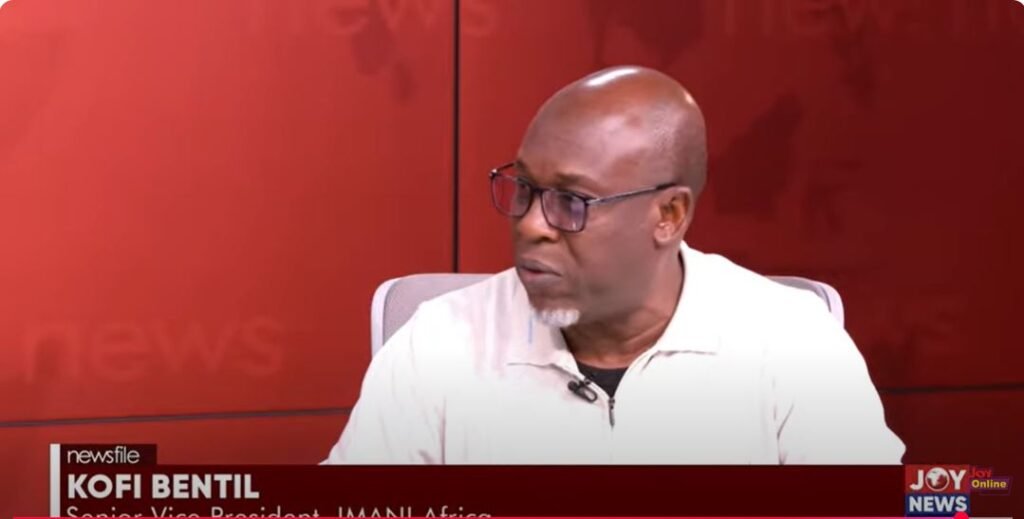
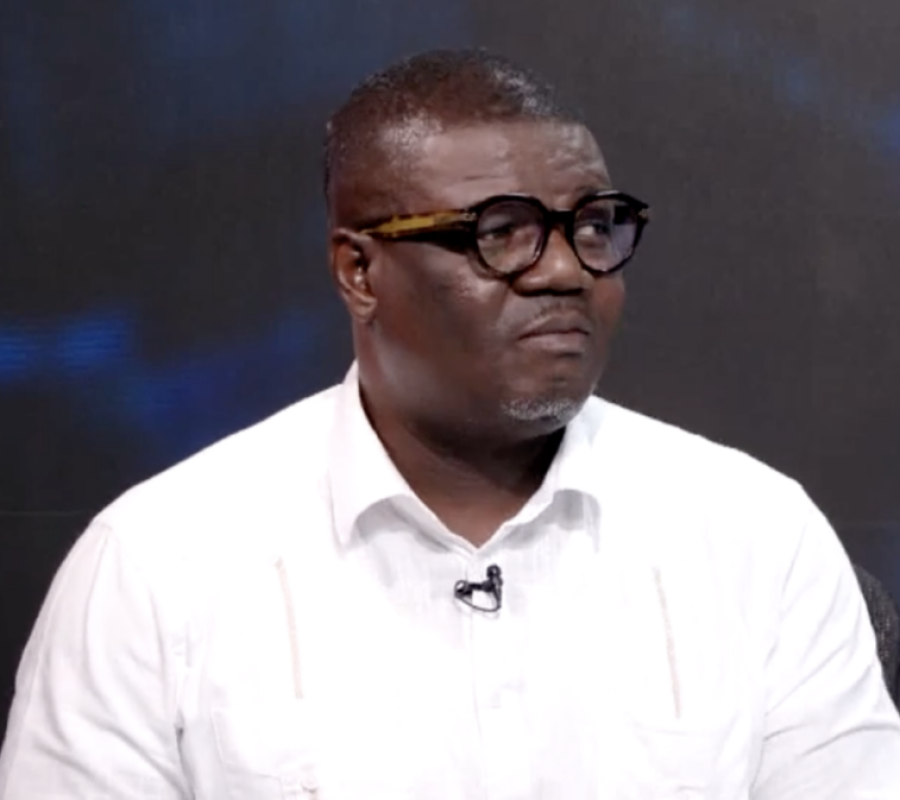
A heated public dispute has erupted over the future of Ghana International Bank after IMANI Africa Vice President Kofi Bentil alleged that the Bank of Ghana is planning to sell the country’s shares in the London-based financial institution, a claim the government has flatly denied.
Bentil, one of Ghana’s most prominent policy voices, took to social media to warn that the central bank was preparing to divest Ghana’s stake in GHIB, a correspondent bank established in 1959 that plays a critical role in facilitating foreign exchange operations and international trade finance for Ghanaian banks and businesses.
“They sold 18 tonnes of gold and used it to reduce their losses. Then they floated a sale-and-leaseback of their office, which backfired. Now they are planning to sell Ghana’s shares in GHIB, London,” Bentil wrote. “Nkrumah must be rolling in his grave.”
The allegation drew a swift and forceful response from Beatrice Annan, a presidential staffer and member of the Bank of Ghana Board. “This is a big fat lie. Kindly disregard makers of fake news who are gasping for scandals,” she wrote, dismissing the claim as baseless.
Yet the denial did not fully close the matter. Bentil acknowledged the government’s position but raised a further set of questions about GHIB’s financial arrangements. He asked whether the World Bank had approved a $100 million loan for the institution and whether it had expressed interest in injecting equity into the bank. “A clear position that GHIB shares won’t be sold is good,” Bentil wrote in a follow-up post. “But question: Has the World Bank approved a $100 million loan for GHIB and expressed interest in injecting equity? What does that mean?”
The Bank of Ghana itself has not issued any formal statement on the matter, leaving key questions unanswered. The central bank has not addressed the reported dismissal of GHIB’s CEO, nor has it directly responded to Bentil’s broader concerns about the institution’s financial trajectory. The controversy comes at a sensitive time for the bank, which recently appointed Ian Greenstreet as its new CEO, pending UK regulatory approval, in what was described as a move to strengthen the institution’s role as a financial bridge between Ghana and global markets.
Ghana International Bank has long been regarded as a strategic national asset. Founded more than six decades ago, it serves as a correspondent bank for Ghanaian financial institutions and facilitates trade finance for businesses with connections to the United Kingdom and broader international markets. Any move to reduce Ghana’s ownership stake would carry significant implications for the country’s access to global financial infrastructure.
The episode has also renewed scrutiny of the Bank of Ghana’s recent financial decisions. Bentil’s reference to the sale of 18 tonnes of gold and a failed sale-and-leaseback arrangement points to a broader pattern of asset liquidation that critics argue reflects deeper financial strain at the central bank. The central bank’s refusal to address these claims directly has only fuelled speculation.
For now, the government’s denial stands as its official position. But the unanswered questions about World Bank involvement and the broader financial health of GHIB suggest this story is far from over. As Ghana navigates a period of fiscal consolidation and economic restructuring, the management of its most important financial institutions abroad will remain under close public scrutiny.
Image Source: MYJOYONLINE