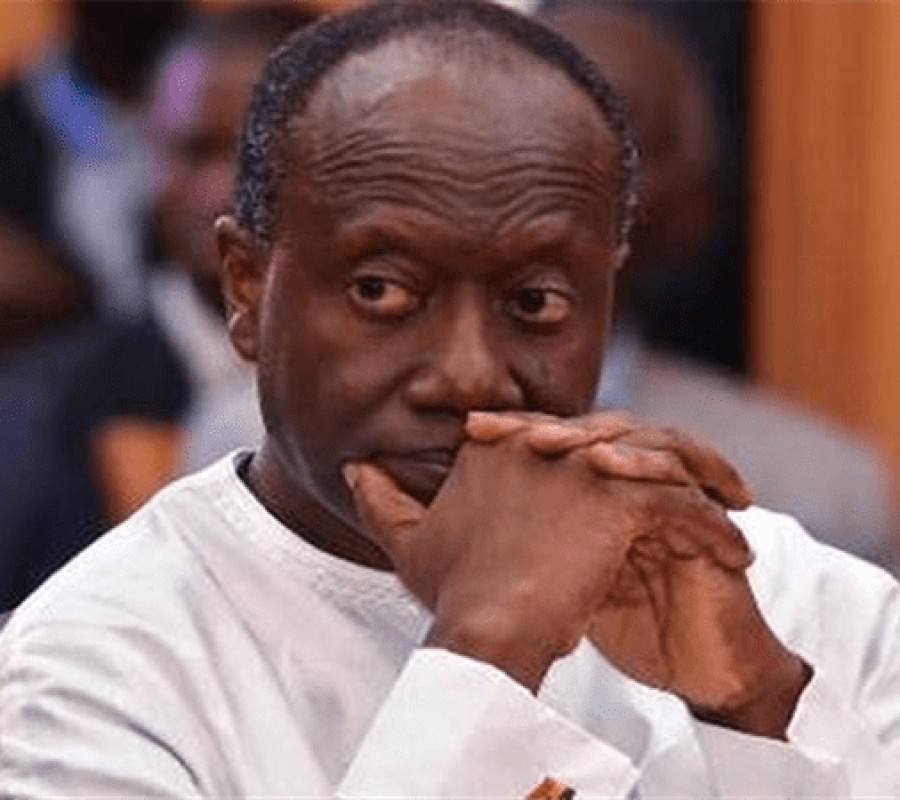
Prosecution Witness Alleges Chairman Wontumi Ordered Mining in Protected Tano Nimiri Forest Reserve
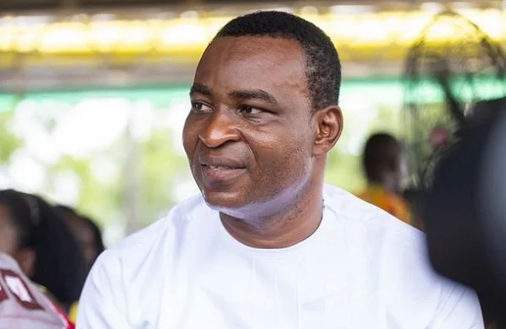
A third prosecution witness has told the Accra High Court that Bernard Antwi-Boasiako, the Ashanti Regional Chairman of the New Patriotic Party and widely known as Chairman Wontumi, allegedly directed mining operations inside the Tano Nimiri Forest Reserve without obtaining the required legal authorisation.
The testimony, delivered during ongoing criminal proceedings, marks a significant development in one of Ghana’s most closely watched illegal mining cases. The witness told the court that Wontumi personally instructed that mining activities be carried out within the protected forest, a designated reserve where extractive operations are prohibited without explicit state approval.
Chairman Wontumi and his company, Akonta Mining Limited, face multiple charges relating to alleged illegal mining activities within the reserve. The case has attracted considerable public and political attention owing to the accused’s prominent role within the opposition party and the broader national debate over galamsey’s devastating toll on Ghana’s water bodies and forest ecosystems.
The Tano Nimiri Forest Reserve, located in the Western Region, is among the protected areas that have come under increasing pressure from illegal mining operators. Environmental groups have long warned that the destruction of such reserves threatens biodiversity, contaminates water sources, and undermines Ghana’s commitments under international environmental agreements.
The trial has not been without procedural drama. Earlier proceedings saw the case reach a critical juncture when Andy Appiah-Kubi, one of Wontumi’s lead lawyers, sought to withdraw his legal services from the case — an application the court ultimately struck out, ensuring the trial could proceed without further delay.
Prosecutors are expected to call additional witnesses as the case progresses. The defence has signalled its intention to challenge the credibility of the prosecution’s evidence, with reports indicating that the defence may seek to use the lead investigator as a star witness in its own case.
The outcome of the trial carries implications beyond the courtroom. Ghana’s government has made combating illegal mining a stated priority, with authorities pledging to hold powerful individuals accountable regardless of political affiliation. A conviction in a case involving such a high-profile political figure would signal a meaningful shift in enforcement, while an acquittal could raise difficult questions about the state’s capacity to protect its natural resources from powerful interests.
For communities living near the Tano Nimiri reserve, the case represents something more immediate: a test of whether the law can protect the forests and rivers on which their livelihoods depend.
Image Source: MYJOYONLINE