South Africa Faces Double Blow as Second Rate Hike Looms After SARB Decision
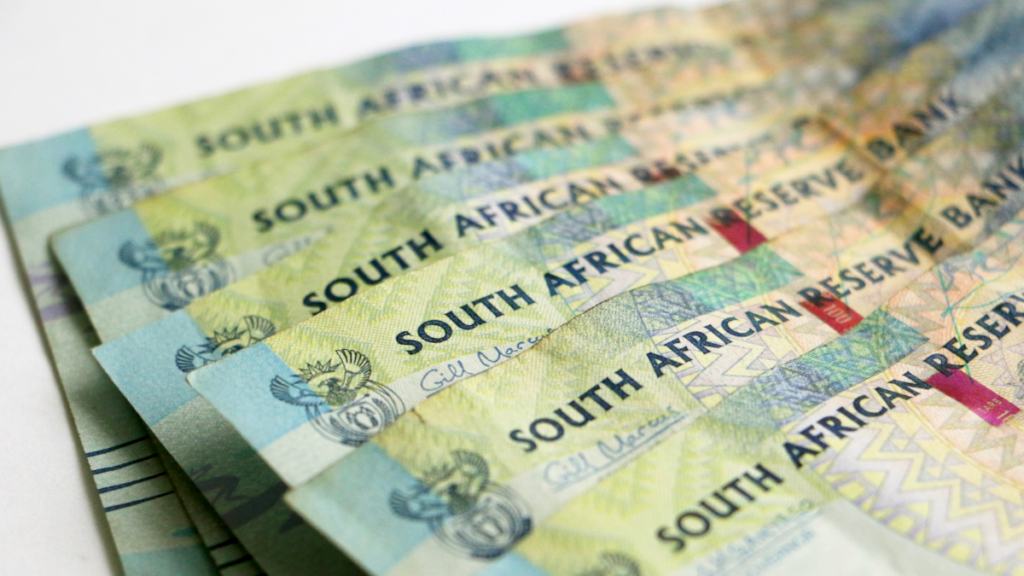
The South African Reserve Bank’s decision to raise interest rates this week may have been only the opening salvo. Economists are warning that a second consecutive hike could follow as early as July, deepening the financial strain on consumers and businesses already grappling with a sluggish economy.
Investec Chief Economist Annabel Bishop said the SARB acted preemptively with its 25 basis point increase, seeking to get ahead of second-round inflationary effects that threaten to entrench higher prices across the economy. The central bank’s move, while modest in isolation, signals a shift toward a more hawkish posture that could define monetary policy for the remainder of the year.
“There is a chance that another hike will follow in July,” Bishop warned, pointing to persistent inflationary pressures driven by food costs, energy prices, and a weakening rand.
The timing is particularly punishing for ordinary South Africans. Household debt levels remain elevated, and the labour market offers little cushion for those whose budgets are already stretched thin. The quiet burden carried by South Africa’s working millions — many of whom support extended families on stagnant wages — will only grow heavier as borrowing costs rise.
For the broader economy, the implications are equally concerning. Higher interest rates tend to suppress consumer spending and business investment, both of which South Africa can ill afford to lose. The country’s GDP growth has been anaemic for years, and any policy tightening risks tipping the balance toward recession.
The SARB’s calculus, however, is not without logic. Left unchecked, inflation erodes purchasing power far more insidiously than rate hikes do. By moving early and decisively, the central bank is betting that a short-term squeeze will prevent a longer-term crisis — a trade-off that has divided opinion among economists.
Critics argue that the bank is prioritising inflation targets over growth at a time when millions of South Africans are unemployed or underemployed. Supporters counter that credibility on inflation is the foundation upon which sustainable growth must be built, and that allowing expectations to become unanchored would be far more costly in the long run.
What is not in dispute is the pressure building on the Ramaphosa administration. With public patience wearing thin, the government faces the unenviable task of explaining why monetary tightening — however necessary — must come at the expense of immediate economic relief.
The rand’s performance in the coming weeks will offer an early indicator of whether markets view the SARB’s resolve as a strength or a liability. For now, South Africans are bracing for a double blow that few can afford.
Image Source: GHANAMMA