Petrol and LPG Prices Set to Rise as Diesel Declines From June 1
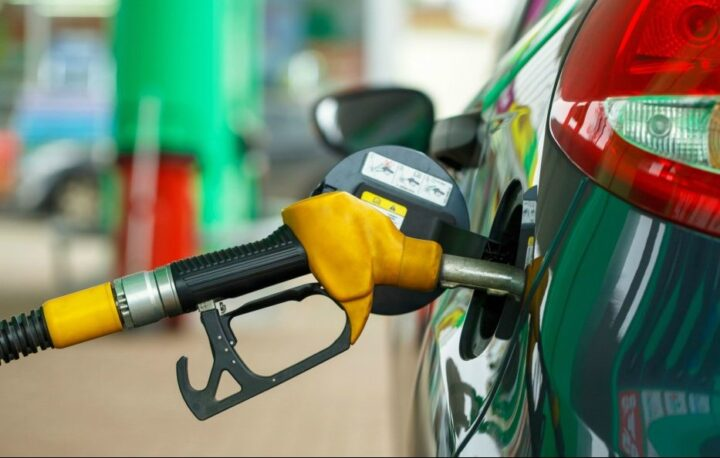
Ghanaian consumers face a mixed bag at the pumps starting June 1, with petrol and liquefied petroleum gas prices expected to climb while diesel edges lower, according to projections from the Chamber of Oil Marketing Companies.
The price outlook, released by COMAC on May 29, forecasts petrol rising between 4.20 and 6.20 percent, pushing the cost of a litre to approximately GH¢15.92. LPG is projected to increase by as much as 2.24 percent, bringing the price per kilogramme to GH¢17.30. Diesel, bucking the trend, is expected to fall between 1.65 and 2.00 percent, settling at around GH¢17.21 per litre.
The divergent price movements reflect broader shifts in global petroleum markets. International crude oil prices have softened in late May, declining from $112.07 to $110.59 per barrel. Refined petroleum products have shown similarly mixed movements on the world market. LPG recorded the steepest international decline at 5.53 percent, followed by diesel at 5.35 percent, while petrol rose moderately by 3.0 percent.
Domestically, the pricing picture has been shaped by the Joint Government-Industry intervention, which was extended from May 16. Under the latest revision, the intervention has been zeroed out for petrol and reduced to GH¢1.07 for diesel. According to COMAC, this measure has played a significant role in cushioning consumers from the full impact of higher global market prices, even as prices gradually adjust towards international levels.
The Ghana cedi has added another layer of complexity to the outlook. The local currency depreciated slightly against major trading currencies, rising from GH¢11.30 to GH¢11.59 per dollar for the June 1 pricing window. COMAC attributed the cedi’s weakness to dollar demand, dividend repatriation, disruptions to gold exports, and cautious intervention by the Bank of Ghana.
The National Petroleum Authority has also set price floors for the June 1 to June 16 window. No oil marketing company may sell petrol below GH¢15.20 per litre, an increase from the previous window’s floor. Diesel has been set at GH¢15.49, meaning OMCs must not sell below this threshold at the pumps during the period.
For motorists and households that rely heavily on petrol and cooking gas, the price increases will add to the cost-of-living pressures that have defined much of 2026. Diesel users, particularly in the transport and logistics sectors, stand to benefit from even a modest decline, though the reduction is unlikely to translate into lower freight costs in the short term.
The projections are based on oil marketing firms purchasing petroleum products on credit from bulk oil distributors, a standard pricing methodology used by COMAC in its bi-weekly outlooks.
Image Source: MYJOYONLINE