Majority Leader Ayariga Insists Anti-LGBTQ Bill Remains Uncompromising Despite Parliamentary Amendments
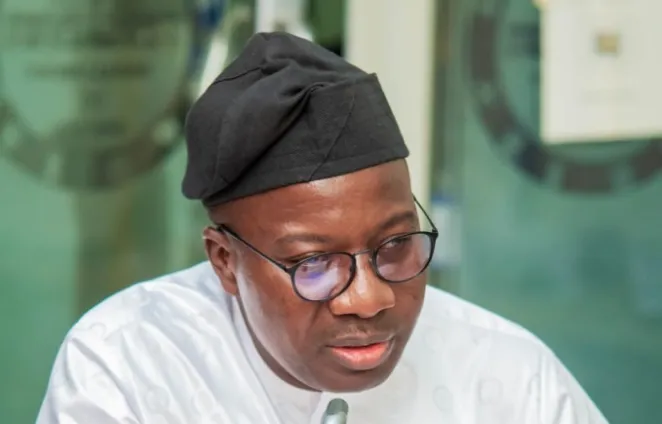
Majority Leader Mahama Ayariga has mounted a vigorous defence of the Human Sexual Rights and Family Values Bill following its passage in Parliament, insisting that amendments made during deliberations have not weakened the legislation’s core prohibition of LGBTQ+ practices and advocacy in Ghana.
Speaking on the floor of Parliament after lawmakers approved the controversial bill — widely referred to as the anti-LGBTQ bill — Mr Ayariga pushed back against claims from both sides of the aisle that the revised text represented a diluted version of the original proposal. “This bill is not watered down,” he declared, dismissing suggestions that committee amendments had compromised the legislation’s intent.
The bill, sponsored by bipartisan Members of Parliament, seeks to criminalise LGBTQ+ activities, advocacy and the promotion of what it describes as non-conventional sexual relations. Its passage follows months of intense public debate, legal scrutiny and international attention, making it one of the most contentious pieces of legislation in Ghana’s recent parliamentary history.
Mr Ayariga clarified that the amendments introduced by the committee were primarily procedural, designed to ensure that certain provisions would withstand constitutional challenge. He pointed specifically to clauses relating to media reporting and legal representation as areas where the committee had acted with an abundance of caution.
“I am convinced that any court in this country would have struck down any attempt to prosecute a media house for reporting on a matter relating to LGBTQ,” he stated, explaining why the committee had moved to explicitly exempt journalists from certain provisions. He added that no court “would have tolerated the punishment of a lawyer who attempts to provide legal services in defense of a person practicing LGBTQ.”
The Majority Leader’s comments came amid pushback from Minority MPs, who have characterised the amended bill as “a watered-down version” that introduces exemptions the original sponsors never intended. The tension between the Majority and Minority positions reflects a broader unease within Parliament about how the legislation will be received by the courts and by the international community.
The constitutional questions are not trivial. Ghana’s 1992 Constitution guarantees freedom of expression, freedom of association and the right to legal representation — protections that any prosecution under the new law would inevitably test. By carving out exemptions for media and legal professionals, the committee appears to have been trying to build a more defensible statute, but in doing so it has opened itself to criticism from those who wanted a more absolute prohibition.
For Mr Ayariga, however, the substance is clear. He described two principal pillars of the legislation: the prohibition of LGBTQ+ practices and the prohibition of advocacy. Those pillars, he argued, remain intact regardless of the procedural adjustments made around them.
The bill now awaits presidential assent to become law. Its passage places Ghana among a number of African nations that have moved to legislate against LGBTQ+ activities in recent years, a trend that has drawn sharp criticism from international human rights organisations and Western governments, while enjoying broad domestic support.
Whatever the legal challenges ahead, the political reality is that the bill has passed with bipartisan support and significant public backing. The amendments may have been tactical, but the direction of travel is set. Ghana’s LGBTQ+ community now faces a legal landscape that is markedly more hostile than it was a week ago, and the question is no longer whether the law will pass, but how it will be enforced.
Image Source: MYJOYONLINE