Tetegu Residents Accuse Authorities of Failing to Warn Them Before Weija Dam Spillage
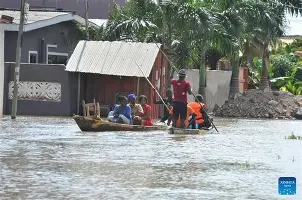
Residents of flood-hit communities within the Weija-Gbawe Municipality are accusing authorities of failing to activate established warning systems before the latest spillage from the Weija Dam, arguing that earlier communication could have reduced the scale of destruction and displacement that followed.
The flooding, which submerged homes and displaced thousands of residents across low-lying areas near the dam, has reignited questions about the adequacy of emergency communication protocols in one of the Greater Accra Region’s most flood-prone corridors.
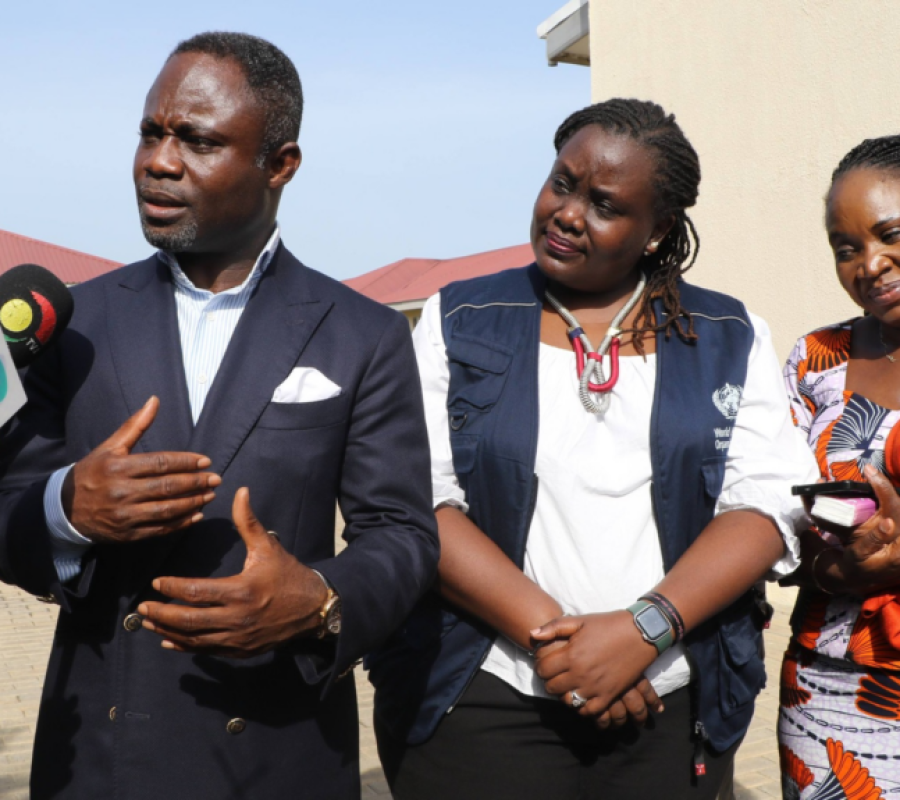
Mawuenyega Atukpa, Assembly Member for the Tetegu area, said community leaders had noticed rising water levels days before the flooding and had reached out to Ghana Water Company Limited to express concern. He told reporters that the response they received gave no indication of what was to come.
“Today marks three days since I called the Ghana Water Company to tell them that we had noticed the water level kept rising and asked what the problem was and that they should do something about it,” Mr. Atukpa said. He added that residents were initially told the situation was being managed. “They assured us that we should wait, and that if the weather became sunny and it did not rain by evening time, they would limit the spillage so that it would pull away the rainwater from the ground.”
Instead, the dam was opened for a larger spillage that afternoon. “Only for us to get to about 3:00 to 4:00 p.m. and realise that they had rather opened the dam to spill water,” Mr. Atukpa said.
Central to the complaints from local leaders is the absence of any formal notification before the spillage. According to Mr. Atukpa, an existing communication structure is normally used during emergencies but was not activated this time. “They did not inform anybody because we have an information centre here where we make announcements anytime the spillage is about to happen. But this time around, they did not inform us,” he said.
The Assembly Member described the expected chain of communication: Ghana Water Company is supposed to notify the Coordinating Director, who informs the Municipal Chief Executive, after which the information is disseminated to Assembly Members, chiefs and leaders of flood-prone zones so that local announcements can be made. “Nothing of that sort was done,” he alleged.
Mr. Atukpa also rejected suggestions that the annual ban on noise-making in the area could have prevented authorities from sounding the alarm. “This is an issue of a humanitarian crisis, so they cannot give such an excuse for such a serious problem affecting the lives of over 10,000 people,” he said.
The situation in Tetegu echoes similar frustrations expressed by residents in other parts of the Greater Accra Region, where inadequate drainage infrastructure and poor communication have repeatedly worsened the impact of seasonal flooding. Communities in Gbetsile and surrounding areas have also recently protested over water-related infrastructure failures that they say the authorities have been slow to address.
Ghana Water Company Limited has maintained that the spillage became necessary after water levels at the Weija Dam exceeded safe operational limits. While rainfall has since reduced, many residents continue to contend with stagnant floodwaters, damaged property and disrupted livelihoods as emergency response efforts continue across the affected communities.
The incident has raised broader concerns about disaster preparedness in urbanising areas near major water infrastructure, where rapid population growth has placed increasing numbers of people in harm’s way.
Image Source: MYJOYONLINE