Senegal's Ousted Prime Minister Sonko Elected Parliament Speaker in Dramatic Power Shift
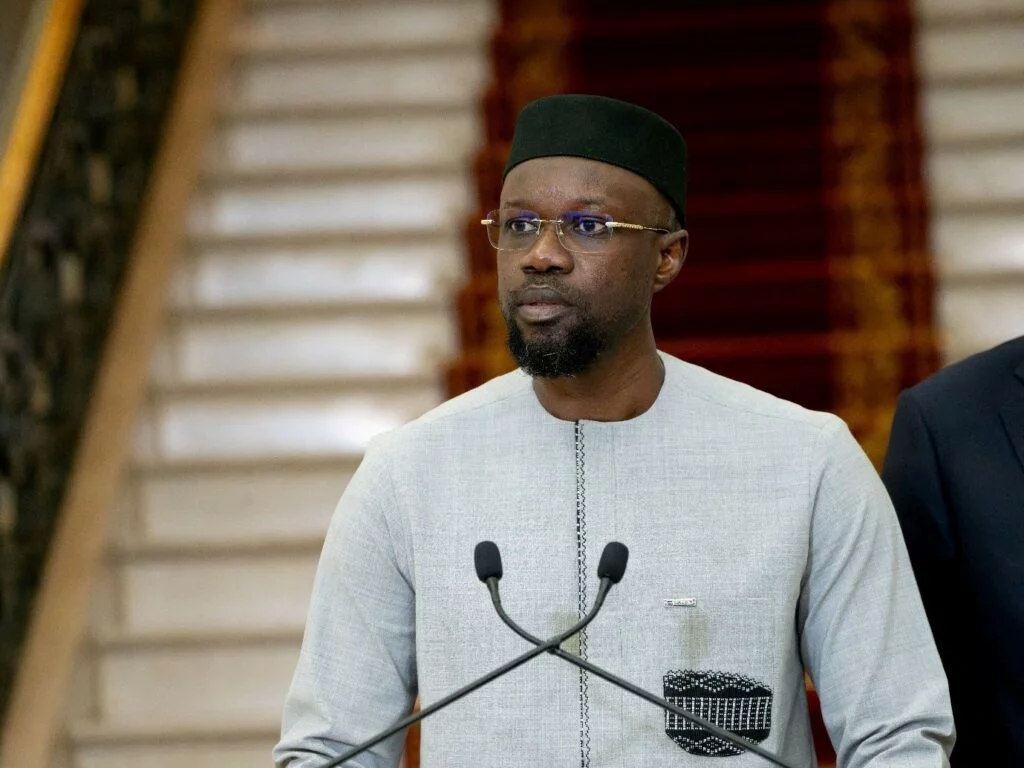
Senegal’s parliament voted overwhelmingly on Tuesday to install Ousmane Sonko as its speaker, just days after President Bassirou Diomaye Faye dismissed him as prime minister — a dramatic escalation of a political rift that has shaken one of West Africa’s most stable democracies.
The vote saw 132 of the assembly’s 165 lawmakers back Sonko’s appointment, defying the president’s decision to dissolve the cabinet and fire his former ally on Friday. In a remarkable show of legislative independence, members first reinstated Sonko as a member of parliament before electing him to the powerful speaker’s post, effectively handing the ousted prime minister a platform from which to challenge the president’s agenda.
“We are not here to fight against the president of the republic, but the assembly will fully play its role,” Sonko told lawmakers as he accepted the position, striking a measured tone that belied the depth of the political crisis.
The fallout between the two men — both senior figures in the ruling PASTEF party who swept to power together in 2024 — has centred on disagreements over the government’s reform agenda and, critically, how to manage Senegal’s worsening debt crisis. Sonko, a vocal critic of the International Monetary Fund, had opposed any restructuring of the country’s debt, a position that placed him at odds with the president and international creditors alike.
President Faye moved swiftly to replace Sonko, appointing Ahmadou Al Aminou Lo, a seasoned economist and former regional central bank official, as the new prime minister late on Monday. Lo’s views on debt restructuring remain unclear, but the appointment signals a potential pivot toward engagement with international financial institutions.
The political upheaval has rattled international markets. Investment bank Morgan Stanley warned on Tuesday that investors are likely to price in a higher risk of Senegal defaulting on its debt following Sonko’s removal, as the country’s bonds fell sharply. Before the cabinet was dissolved, Senegal had been expected to resume talks with the IMF over a new lending programme next month.
As parliamentary speaker, Sonko now holds significant leverage to block Faye’s legislative agenda, according to political analysts. “We have some differences,” Sonko acknowledged, referring to the new prime minister. “Notably on monetary policy, debt management and other similar issues.”
The opposition described the parliamentary manoeuvre as a scandal and questioned its legality, while analysts cautioned that the speaker position could give Sonko a powerful base from which to mount a challenge to the president ahead of future elections.
Sonko sought to frame the crisis as a test of African democratic maturity. “Senegal must show Africa that a political crisis can be faced without hatred, without violence and without institutional collapse,” he said. “We must prove that an African people can debate firmly without destroying its own state.”
Whether that spirit of restraint will hold as the two former allies settle into opposing corners of Senegal’s government remains an open question — one with consequences not just for Senegal’s 17 million citizens, but for the country’s standing with international investors and the IMF.