EPA Styrofoam Ban Ghana: 7 Urgent Facts About the January 2027 Deadline Every Business Must Know
The EPA styrofoam ban Ghana announcement has sent shockwaves through the country’s food packaging and hospitality industries, with the Environmental Protection Authority declaring that the production, importation, sale, distribution, and use of polystyrene foam products will be prohibited effective January 1, 2027. The sweeping directive, issued on May 25, 2026, represents one of the most significant environmental policy moves in Ghana’s recent history.
The EPA styrofoam ban Ghana policy follows a commitment made by President John Dramani Mahama during the 2025 World Environment Day celebration on June 5, where he declared the government’s intention to eliminate Styrofoam products as part of a broader strategy to combat plastic pollution and protect the nation’s environment.
What the EPA Styrofoam Ban Ghana Covers
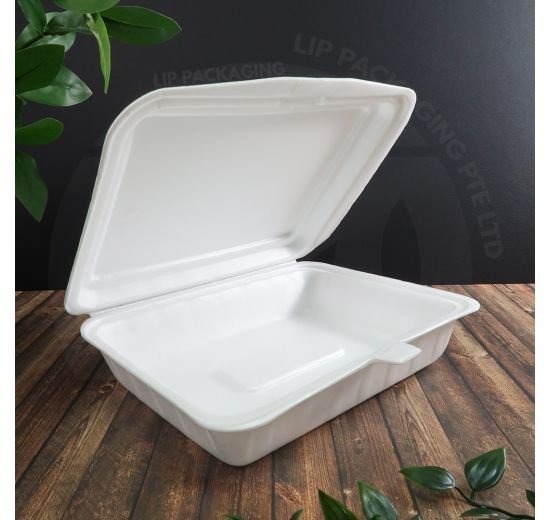
The EPA styrofoam ban Ghana directive is comprehensive in scope, targeting all forms of expanded polystyrene foam products used for commercial and human activities. This includes food packaging containers, disposable cups and plates, takeaway packs used by restaurants and chop bars, foam mattresses, ceiling and insulation materials, as well as packaging and cushioning materials.
The ban will affect virtually every sector of Ghana’s economy that relies on polystyrene foam products. Street food vendors, who constitute a significant portion of Ghana’s food service industry, will need to find alternative packaging solutions. Restaurants, hotels, and catering companies will similarly be required to transition away from Styrofoam containers.
However, the EPA styrofoam ban Ghana directive does include an important exemption: polystyrene products intended for medical, scientific, laboratory, and diagnostic purposes will be allowed to continue, subject to regulation. This carve-out recognizes the critical role that certain polystyrene products play in healthcare and scientific research settings.
The Environmental Protection Authority has emphasized that the policy forms part of national efforts to improve environmental sanitation, protect public health, reduce plastic pollution, and promote sustainable development. According to the EPA’s official communications, the Authority views this ban as a necessary step in Ghana’s journey toward a cleaner and healthier environment.
EPA Styrofoam Ban Ghana: Impact on Businesses and Consumers
The EPA styrofoam ban Ghana announcement has generated mixed reactions from stakeholders across the business community. While environmental groups have praised the decision as a bold and necessary step, some business owners have expressed concerns about the economic implications of transitioning to alternative packaging materials.
Small-scale food vendors, who operate on thin margins, face particular challenges. Many have relied on affordable Styrofoam containers for years, and the cost of switching to biodegradable or reusable alternatives could significantly impact their bottom line. The EPA has acknowledged these concerns and has committed to providing support during the transition period.
The Authority has urged manufacturers, importers, distributors, retailers, food vendors, hospitality operators, and other stakeholders to begin transitioning to safer and environmentally friendly alternatives before the directive takes effect. This seven-month lead time is intended to allow businesses adequate time to source new packaging materials and adjust their operations accordingly.
Consumers, too, will need to adapt to the EPA styrofoam ban Ghana policy. The shift away from disposable Styrofoam containers may require changes in consumer behavior, including a greater willingness to use reusable containers and accept alternative packaging materials that may differ in appearance and functionality from traditional Styrofoam products.
How the EPA Styrofoam Ban Ghana Will Be Enforced
The EPA styrofoam ban Ghana directive will be enforced through a multi-pronged approach that involves collaboration between various government agencies and regulatory bodies. The Environmental Protection Authority has stated that it will embark on nationwide public education and stakeholder engagements during the transition period leading to January 2027.
Monitoring and inspection mechanisms will be strengthened to ensure full compliance with the directive. The EPA will work closely with Metropolitan, Municipal and District Assemblies, port authorities, customs officials, and industry regulators to enforce the ban across the country. This coordinated approach is designed to prevent the continued circulation of banned products through informal channels.
Port authorities will play a particularly crucial role in the enforcement of the EPA styrofoam ban Ghana policy, as they will be responsible for preventing the importation of banned polystyrene foam products. Customs officials will need to be trained and equipped to identify and intercept prohibited items at Ghana’s ports of entry.
The effectiveness of the EPA styrofoam ban Ghana enforcement will ultimately depend on the commitment of all stakeholders, including government agencies, businesses, and the general public. The United Nations Environment Programme has noted that successful implementation of plastic bans requires strong political will, adequate resources, and sustained public engagement.
EPA Styrofoam Ban Ghana: Environmental Benefits and Global Context
The EPA styrofoam ban Ghana announcement places the country among a growing list of nations that have taken decisive action against polystyrene foam products. Globally, styrofoam is recognized as one of the most problematic forms of plastic pollution, as it is non-biodegradable, difficult to recycle, and often ends up in waterways and oceans where it poses severe threats to marine life.
In Ghana, the improper disposal of Styrofoam products has contributed to chronic sanitation challenges, particularly in urban areas. Clogged drainage systems, overflowing landfills, and polluted waterways are all exacerbated by the widespread use of disposable polystyrene foam products. The EPA styrofoam ban Ghana policy is expected to significantly reduce the volume of this harmful material entering the waste stream.
The environmental benefits of the ban extend beyond waste reduction. The production of polystyrene foam involves the use of petroleum-based chemicals and releases harmful emissions into the atmosphere. By eliminating the production and use of these products, Ghana stands to reduce its carbon footprint and contribute to global efforts to address climate change.
The EPA has called on the public to support the initiative by adopting sustainable consumption practices and using reusable and recyclable packaging materials. “Protecting the environment is our collective responsibility,” the Authority stated in its announcement, emphasizing that the success of the EPA styrofoam ban Ghana policy depends on the active participation of every Ghanaian.
Source: Ghanaian Times