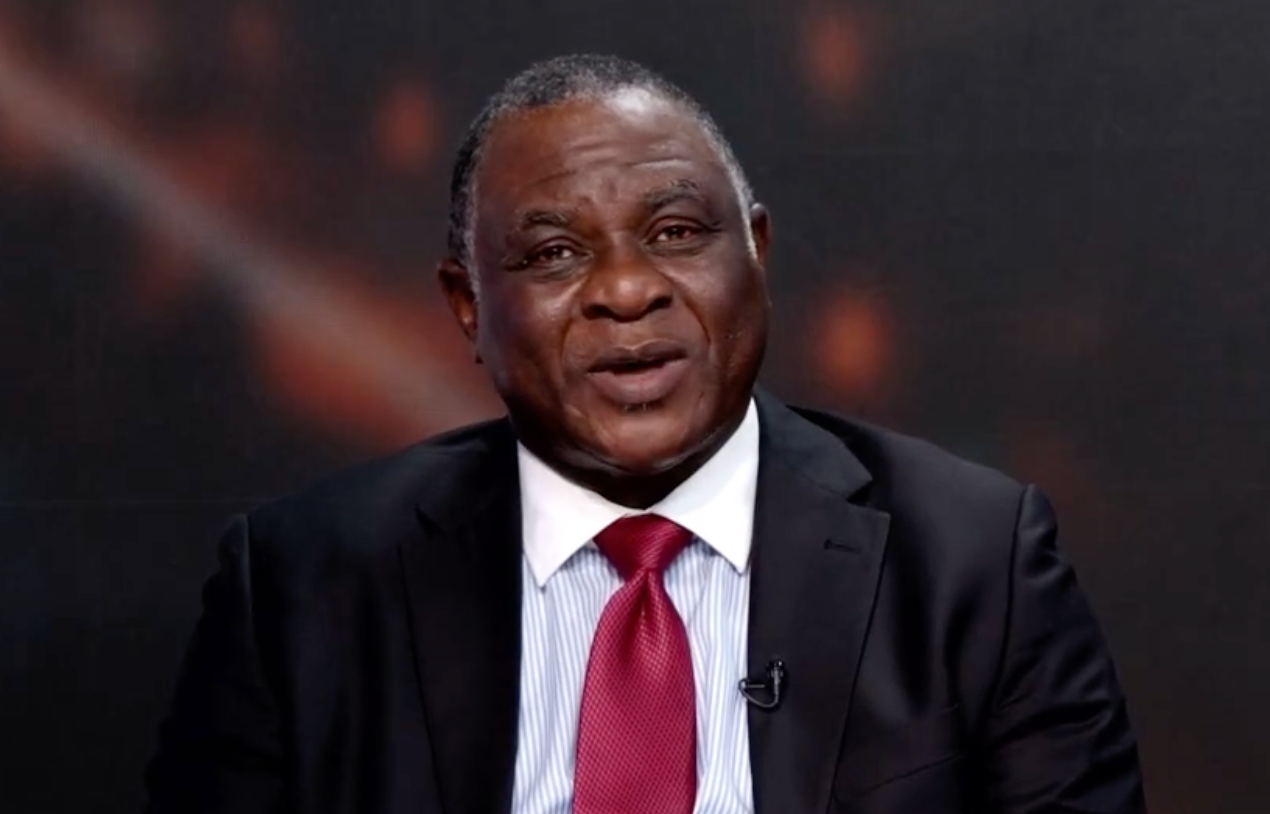
The Association of Ghana Industries (AGI) has raised concerns about the timing of the recent electricity tariff increase, arguing that the hike comes at a moment when key economic indicators are improving and global fuel prices are easing. In a statement on Joy News’ PM Express, Eric Defoe, Chairman of AGI’s Economic Affairs Committee, warned that the actual impact on production costs could be significantly higher than the headline 3.5% increase, potentially rising to between 5% and 10% when factoring in ripple effects across the production chain.
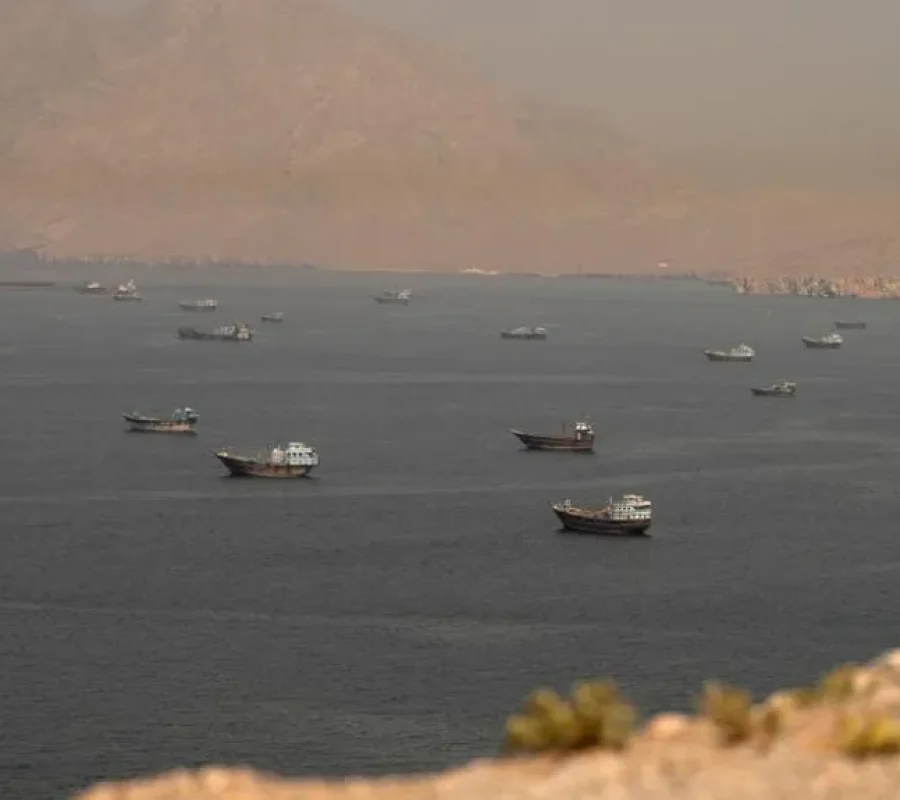
Defoe pointed out that utility tariff increases often trigger additional cost pressures throughout the manufacturing process, noting that electricity is just one component of production expenses. He argued that regulators should have delayed the tariff review to assess the full impact of falling global fuel prices, which have begun to reverse following the end of the US-Iran conflict. “What worries us is that petroleum prices went up; therefore, there was some adjustment in the market, but they’re coming down now because the US-Iran war has ended, and prices are falling back,” he said.
The AGI chairman questioned why consumers should bear additional costs when the government has already introduced fuel levies to support the power sector. “We’re already providing a lot of resources to mitigate some of the production costs by paying these levies on fuel. It makes money available for generation and legacy debts, so why are we going to have to pay more again? Because it doesn’t make sense to us,” he stated.
This critique aligns with earlier AGI warnings about the cost of doing business in Ghana. Previous concerns about high energy prices despite a strong cedi have been highlighted in discussions about the nation’s competitiveness, as seen in analyses of the country’s energy cost structure (Strong currency, but expensive power – AGI president explains why prices stay high). Similarly, the association’s recent call for fair electricity tariffs to support industrial growth echoes its advocacy for a coordinated approach to energy pricing (AGI holds Tema regional annual meeting, calls for fair electricity tariffs to support industries).
As Ghana navigates a complex economic landscape marked by fluctuating inflation and exchange rate stability, the debate over utility pricing underscores the tension between maintaining fiscal sustainability and fostering industrial growth. The AGI’s stance highlights the need for a holistic approach to cost management that considers the interconnectedness of energy prices, production expenses, and broader macroeconomic trends.
Image Source: MYJOYONLINE