WHO Expert Warns of Neglected Tropical Diseases Crisis
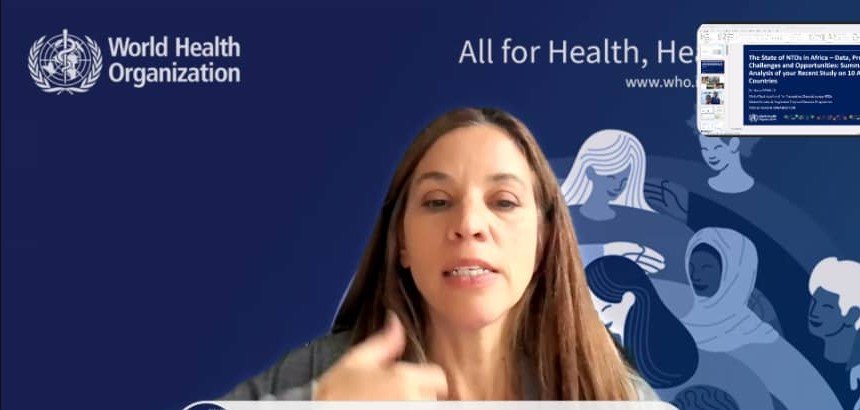
Progress against Neglected Tropical Diseases (NTDs) is under threat due to a significant drop in international funding, a leading World Health Organization (WHO) expert has warned.
Dr. Maria Rebollo Polo, delivering a presentation at the REMAPSEN Media Forum webinar on Tuesday, November 25, 2025, described the decline as “historic” and cautioned that hard-won gains could be reversed. NTDs affect over one billion people globally, with Africa bearing the brunt of the disease burden.
Despite encouraging trends – a reduction of 695 million people requiring NTD intervention since 2010, including 239 million between 2020 and 2023 – Dr. Rebollo Polo emphasized the fragility of this progress. Nine countries, including Niger, Guinea, Mauritania, Burundi, Senegal, Kenya, Egypt, and Papua New Guinea, achieved elimination validation in 2025 alone, bringing the total to 58 countries.
However, 119,000 deaths were still attributable to NTDs in 2021, and over a billion people continue to live with these diseases. In 2024, 1.437 billion preventive treatments were administered, covering 864.6 million individuals, representing a coverage rate of 62.7%. Approximately 7.5 million patients also received individual case management.
The alarming trend is a 41% decrease in international funding for NTDs between 2018 and 2023, falling from USD 531 million to USD 260 million. Dr. Rebollo Polo noted that the reduction or termination of key initiatives like USAID’s Act to End NTDs is already impacting mass drug distribution campaigns and weakening national capacities.
Several African nations are proactively addressing these challenges by integrating NTD interventions into existing health systems. Ethiopia, Kenya, and Uganda are integrating NTD efforts into primary healthcare, while Benin and Niger are utilizing school and community-based platforms. Madagascar is combining NTD activities with vaccinations, and Tanzania with nutrition programmes. Rwanda and Togo are pioneering multisectoral approaches linking health, education, water, and sanitation.
“The key lies in strong national leadership, improved coordination, and meaningful community engagement,” Dr. Rebollo Polo stated. She highlighted persistent structural challenges including limited political visibility, donor dependency, and insufficient qualified personnel.
Dr. Rebollo Polo urged for urgent and collective mobilization, emphasizing three pillars for the future: strong national leadership, integration of interventions within primary healthcare, and diversification of financial resources. She stressed that combating NTDs is an investment in equity, education, productivity, and health sovereignty, and that Africa has the capacity to succeed with strengthened collective responsibility.
Image Source: MYJOYONLINE