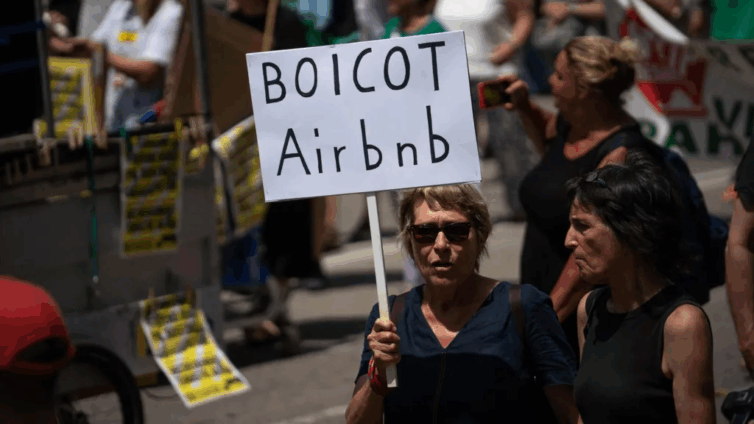
Spain has slapped Airbnb with a hefty fine of €64 million (approximately GH₵888 million) for advertising unlicensed apartments, the Consumer Affairs Ministry announced on Friday.
The government also revealed that a significant number of properties listed on the platform were operating in violation of rental regulations. Airbnb is now required to remove these non-compliant listings.
While the Ministry insists the fine is not subject to appeal, Airbnb has stated its intention to contest the decision in court. A spokesperson for the company maintained that they are “confident that the Ministry of Consumer Affairs’ actions are contrary to applicable regulations in Spain.”
The action comes amid growing concerns in Spain, a major tourist destination, about the impact of short-term rentals on housing affordability. Increased demand from tourists has been linked to rising property prices, making it difficult for locals to find housing.
“There are thousands of families who are living on the edge due to housing, while a few get rich with business models that expel people from their homes,” Spain’s consumer rights minister Pablo Bustinduy said in a statement. He further emphasized on social media, “We’ll prove it as many times as necessary: no company, no matter how big or powerful, is above the law. Even less so when it comes to housing.”
According to the government, a total of 65,122 Airbnb adverts were found to be breaching consumer rules. These included listings for properties without the necessary rental licenses and discrepancies between advertised license numbers and official records.
Airbnb maintains it has been working with the Spanish authorities since new regulations came into effect in July. The spokesperson added that the company was “closely collaborating with Spain’s Ministry of Housing to support the enforcement of the new national registration system.”
However, this hasn’t appeased Spanish officials, who, like authorities in other tourist hotspots such as Barcelona, New York, Berlin and Paris, are grappling with the challenges posed by the rapid growth of short-term rental platforms. The rise of Airbnb, which began in 2007 and became immensely popular around 2014 offering cheaper alternatives to traditional hotels, has led to issues like noisy gatherings and absentee landlords in many cities worldwide.
Image Source: MYJOYONLINE