South African Manufacturing Sentiment Slumps in June Amid Weak Demand and Falling Oil Prices
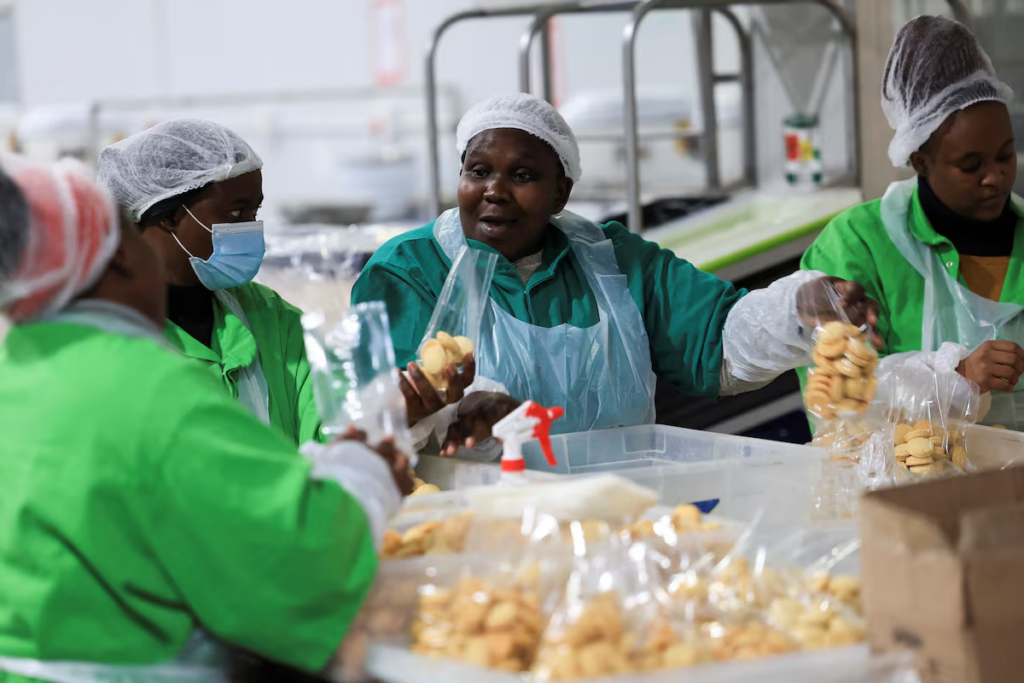
South African manufacturing sentiment deteriorated in June as weaker demand weighed on new orders, though lower oil prices boosted confidence about future business conditions, a purchasing managers’ index (PMI) survey showed on Wednesday.
The seasonally adjusted PMI sponsored by South African bank Absa fell to 47.3 points from 50.8 in May, marking the first contractionary reading since March 2023. A reading below 50 indicates a deterioration in overall business conditions for manufacturers, signalling a slowdown in Africa’s most industrialised economy.
Absa noted that the survey was conducted after the United States and Iran agreed to an interim deal to end hostilities and reopen the Strait of Hormuz, which brought down global energy prices. This development contributed to a sharp fall in the PMI component on purchasing prices, suggesting that April and May may have marked the peak of price pressures, particularly following fuel price cuts that took effect on Wednesday.
Some respondents said clients were postponing purchases in anticipation of lower prices, contributing to a drop in new orders. Meanwhile, a sub-index tracking expected business conditions in six months climbed, reflecting optimism that the Iran‑related tensions could ease. However, several respondents flagged the nationwide anti‑migrant protests on 30 June as a concern, warning that social unrest could disrupt supply chains and deter investment, which prevented a stronger improvement in factory mood.
The mixed signals highlight the fragile nature of South Africa’s recovery. While cheaper energy offers some relief, the underlying weakness in demand points to structural challenges that may persist unless accompanied by policy interventions to boost competitiveness and investment. The manufacturing sector, which accounts for roughly 12% of GDP, remains a critical barometer for broader economic health.
Industry analysts say that the automotive and food‑processing sub‑sectors were particularly hard hit, with several plants reporting reduced shift patterns and delayed capital expenditures. Conversely, firms involved in renewable energy components and packaging reported steadier order books, benefiting from the lower energy cost environment.
Government officials have acknowledged the downturn but stressed that recent interventions — such as the renewal of the industrial policy action plan and targeted incentives for export‑oriented manufacturers — are beginning to take effect. Nevertheless, businesses continue to cite restrictive labour regulations, unreliable power supply, and bureaucratic hurdles as major constraints.
Looking ahead, analysts warn that any resurgence in global oil prices or a prolongation of geopolitical tensions could quickly erase the modest confidence gains. Policymakers will need to address both the immediate demand shortfall and the longer‑term issues of skills shortages, infrastructure bottlenecks, and regulatory uncertainty if the sector is to regain its pre‑pandemic momentum.
Related developments on the continent show that Ghana’s manufacturing sector faces similar pressures, though the West African nation has seen slightly stronger performance driven by agro‑processing and textiles. Earlier analyses of South Africa’s manufacturing challenges have highlighted the need for diversification and value‑addition to reduce reliance on volatile commodity markets.
Image Source: MYJOYONLINE