NADMO, Zoomlion launch multi-site drain clearing exercise to curb flooding in Greater Accra
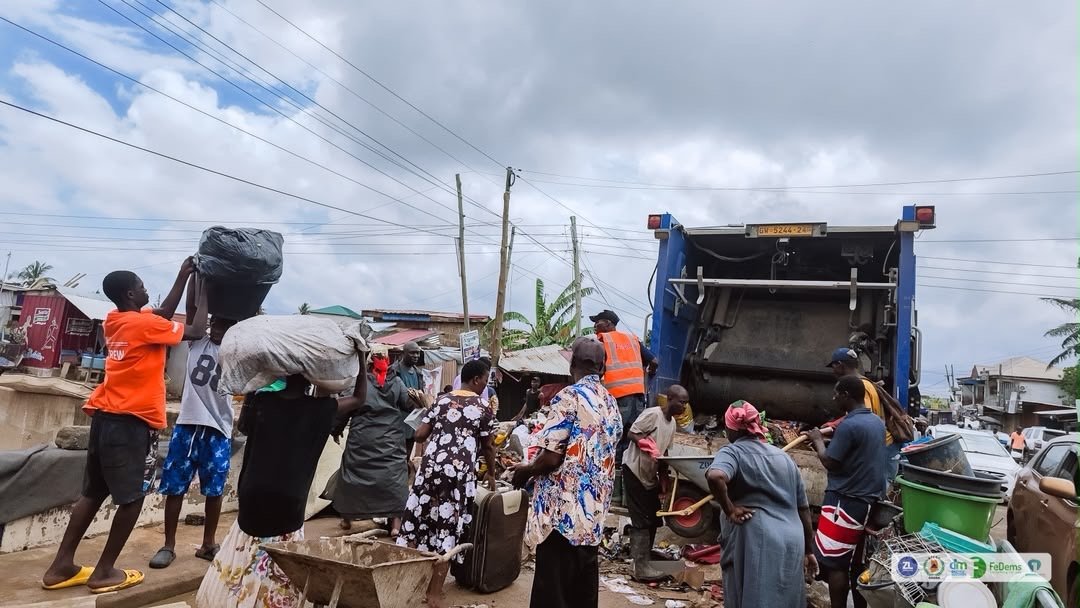
As Ghana confronts the recurrent challenge of seasonal flooding, a coordinated initiative between state agencies and private sector partners has intensified efforts to mitigate flood risks through targeted infrastructure maintenance in the Greater Accra Region. On Wednesday, the National Disaster Management Organisation (NADMO) partnered with Zoomlion Ghana Limited and collaborating institutions to execute a comprehensive drain-clearing operation across multiple flood-vulnerable localities, marking an escalation in the nation’s preparedness strategy ahead of anticipated rainfall.
The operation forms a critical component of the 12-week “No Do No Do” campaign inaugurated previous month, which seeks to cultivate environmental responsibility while reinforcing flood readiness through tangible interventions that complement ongoing public awareness initiatives. Beyond immediate cleanup, the campaign incorporates systematic post-flood assessments and desilting activities while advocating for behavioral change among residents regarding waste disposal practices that contribute to drainage obstruction.
Implementation began at the Okponglo corridor before expanding concurrently to six additional flood-prone zones identified through historical incident patterns and recent assessment findings: Tema East, Tema West, Alajo, Santa Maria, and Ablekuma. This strategic selection reflects a data-driven approach to resource allocation, focusing intervention efforts where hydrological vulnerabilities have demonstrated the greatest persistence.
According to Dennis Nartey, Greater Accra Regional Director of NADMO, the campaign directly addresses empirical evidence linking inadequate waste management to exacerbation of flood impacts. He explained that following significant precipitation events, NADMO teams conduct systematic evaluations to pinpoint drainage channels obstructed by refuse, sediment, and other debris prior to deploying remediation crews. The current intervention was specifically triggered by recent heavy rainfall that inundated sections of the capital, displaced resident populations, and left substantial quantities of waste immobilized within drainage infrastructure—necessitating immediate clearance to restore proper hydraulic function.
The human toll of obstructed waterways was underscored by Nartey’s report of two vehicular collisions recorded in the Okponglo vicinity after motorists inadvertently entered flooded roadway sections, transforming normally traversable surfaces into hazardous conditions following the recent downpours.
Speaking on behalf of Zoomlion Ghana Limited, Greater Accra General Manager Ernest Morgan Acquah emphasized the partnership’s dual objectives: extracting the substantial volumes of waste and sediment deposited by floodwaters while simultaneously mitigating potential public health hazards through ensuring unobstructed water flow ahead of subsequent precipitation events. Acquah noted that while sustained educational campaigns on proper waste disposal remain vital, the immediate imperative centered on providing tangible support to affected communities rather than assigning responsibility for the crisis.
Quantifying the anthropogenic contribution to the region’s flooding challenges, Nartey estimated that approximately half of Accra’s inundation issues stem from human activities despite considerable governmental investment in expanding drainage infrastructure capacity. He cautioned that engineered drainage systems designed to efficiently convey large stormwater volumes experience rapid capacity reduction when impeded by solid waste accumulation, inevitably causing overflow into adjacent communities during periods of intense rainfall.
Addressing proposals for declaring a state of emergency in response to recurrent flooding, Nartey argued that more immediate and sustainable priorities include the removal of unlawful constructions encroaching upon natural watercourses and designated flood retention areas. He urged governmental authorities to demonstrate the political commitment necessary to recover illegally occupied drainage corridors and retention basins, asserting that such corrective measures would establish a more durable foundation for addressing the region’s persistent flooding vulnerability than temporary emergency declarations alone.
Nartey concluded by acknowledging the critical contributions of private sector collaborators including the Jospong Group of Companies, Dredge Masters, and FeDems, who provided essential equipment, logistical support, and technical expertise to the operation, while NADMO supplied personnel resources. He expressed confidence that sustained tripartite cooperation between governmental bodies, private enterprises, and local communities under the “No Do No Do” campaign framework would significantly improve drainage systems, promote responsible environmental practices, and strengthen Greater Accra’s resilience against future rainfall events.
Image Source: STARR FM