Ghanaian Apparel Company Northshore Earns WRAP Certification for Ethical Manufacturing
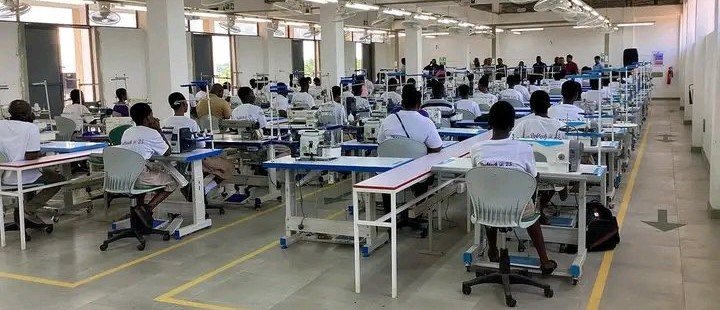
A Savelugu-based apparel manufacturer has achieved a milestone that could reshape perceptions of Northern Ghana’s industrial capacity. Northshore Apparel GH Ltd. has received certification from Worldwide Responsible Accredited Production (WRAP), the world’s largest independent certification programme for ethical apparel manufacturing — a credential that places the company firmly on the global map of responsible, export-ready garment production.
WRAP Certificate #140034, valid from 12 June 2026 to 12 June 2027, covers the full production chain at Northshore’s Savelugu facility: fabric receiving, cutting, sewing, finishing, pressing, packing, quality control, and dispatch. The certification validates compliance with WRAP’s 12 principles, which encompass lawful and humane labour practices, the prohibition of forced and child labour, freedom of association, workplace health and safety, fair compensation, responsible working hours, and environmental stewardship.
A Statement of Intent
For Northshore’s chief executive, Mohammed Nurideen, the certification is more than a badge — it is a declaration of competitiveness. “This certification is independent confirmation of what our people deliver every day,” he said. “It tells the world that garments made in Savelugu are made responsibly, made ethically, and made to compete anywhere on earth.”
The significance of that statement should not be understated. Savelugu, in the Northern Region, is far from Ghana’s traditional industrial centres in Accra, Tema, and Kumasi. That a world-class, ethically certified manufacturing operation has taken root there challenges longstanding assumptions about where competitive industry can thrive in the country. Ghana’s broader push toward industrial transformation has seen the government debate priorities for its 24-Hour Economy agenda, and Northshore’s readiness for round-the-clock production speaks directly to that vision.
Scale and Inclusion
Northshore’s capacity is substantial — the facility is designed to accommodate up to 10,000 workers, making it a potential employment engine for a region that has historically struggled with high youth unemployment and persistent rural-urban migration. The company’s operational philosophy, described as a “People, Planet, Prosperity” approach, emphasises inclusive hiring practices targeting young people, women, and persons with disabilities, including members of the deaf community.
Its ambition to become Ghana’s first regenerative, zero-waste apparel hub further distinguishes it from conventional manufacturing operations, aligning with growing international demand for supply chains that meet rigorous environmental and social standards.
Alignment with National Economic Goals
The certification arrives at a moment when Ghana is actively seeking to expand its manufacturing base and increase non-traditional exports. Northshore’s model dovetails with the government’s 24-Hour Economy agenda, which envisions round-the-clock production, higher export earnings, and broader economic stimulation through shift-based industrial activity.
The company’s readiness to welcome domestic and international partners for continued expansion signals confidence that WRAP certification will unlock access to buyers who require verified ethical compliance as a precondition for procurement — a market segment that is only growing as consumers and regulators alike demand greater transparency in global supply chains.
Broader Implications
Northshore’s achievement carries implications beyond its own operations. It demonstrates that internationally competitive, ethically certified manufacturing is not the exclusive preserve of established industrial zones. For Northern Ghana, a region that has often been an afterthought in national industrial planning, the certification offers tangible proof that investment in responsible production can yield global recognition and economic opportunity.
As the company invites stakeholders and buyers to its Savelugu facility, the challenge now is sustaining compliance, scaling production, and converting certification into the kind of long-term buyer partnerships that translate credentials into lasting economic impact.
Image Source: GHANA BUSINESS NEWS