Ghana School of Law postpones June 29 examinations due to Accra flooding and heavy rainfall
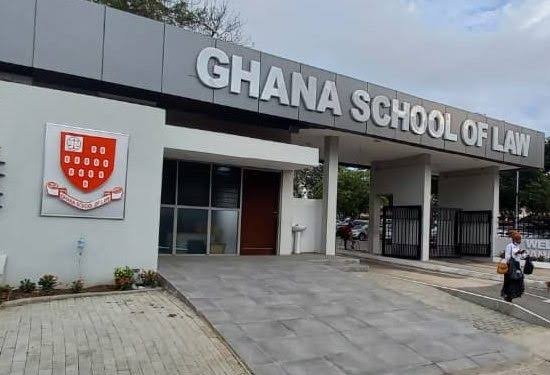
The decision by Ghana School of Law to postpone its June 29 examinations highlights the growing challenge educational institutions face in balancing academic continuity with student safety during extreme weather events. As Accra grappled with severe flooding following torrential rainfall, the institution’s leadership opted to delay assessments rather than risk student welfare.
The announcement came Monday morning after school officials consulted with the Independent Examinations Committee Chair, having monitored deteriorating weather conditions for approximately two hours. Management emphasized that the postponement was purely precautionary, urging students to avoid hazardous travel through floodwaters rather than attempt to reach examination venues. In their official notice, administrators stated: “No student will be disadvantaged with respect to the examinations as a result of this act of God,” while assuring that evaluations would proceed once conditions permitted safe travel.
This development reflects broader patterns of climate disruption affecting West Africa, where intensifying rainfall events have increasingly tested urban infrastructure. The Ghana Meteorological Agency had issued warnings earlier in the week about potential flash floods in southern Ghana, yet the severity of Monday’s downpour overwhelmed drainage systems across Accra. Several major arteries, including stretches of the Accra-Kumasi highway and Kwame Nkrumah Circle, became impassable, leaving hundreds of commuters stranded and disrupting not only educational activities but also commercial operations, healthcare access, and essential public services.
Eyewitness accounts described water levels reaching knee-deep in some residential areas, with makeshift barriers of sandbags appearing outside homes and businesses as residents attempted to protect property. Market traders in Kantamanto and Makola reported significant losses as floodwaters damaged inventory, while public transportation ground to a halt on numerous routes. The flooding also affected several healthcare facilities, with reports of delayed ambulance responses in the hardest-hit zones.
The flooding follows a concerning trend: according to Ghana’s National Disaster Management Organization, flood incidents in the Greater Accra Region have increased by approximately 40% over the past decade, correlating with changing precipitation patterns and inadequate urban drainage infrastructure. As cities across the region expand rapidly, impervious surfaces have increased while natural water absorption capacities have diminished, exacerbating runoff during heavy rainfall events. Urban planners note that Accra’s drainage system, much of which dates to the colonial era, was designed for significantly lower rainfall volumes than those increasingly observed in recent years.
The school’s communication stressed that no student would suffer academic disadvantage due to the weather-related delay, framing the decision as an “act of God” exemption commonly invoked in legal and educational contexts when uncontrollable natural events disrupt scheduled activities. Officials indicated examinations would commence only when conditions improved sufficiently to allow safe student transit, with updates to be communicated through official email, WhatsApp, and social media channels.
Such incidents raise important questions about institutional preparedness for climate-related disruptions. While the immediate priority remains student safety, educational authorities must consider developing more robust contingency plans for assessment schedules as extreme weather events become more frequent in the region. This might include flexible examination windows, improved remote assessment capabilities, or clearer communication protocols for weather-related schedule adjustments. Some universities in Europe and North America have begun implementing “weather contingency” clauses in academic calendars, automatically extending assessment periods when severe weather warnings are issued.
The Ghana School of Law’s responsive approach demonstrates a commitment to prioritizing human welfare over rigid adherence to academic calendars—a principle that may serve as a model for other institutions facing similar environmental challenges. As climate adaptation becomes an increasing necessity for educational infrastructure across West Africa, proactive planning for weather-related disruptions will likely become as important as the academic content itself. Institutions that fail to adjust to these changing conditions risk not only academic disruption but potential harm to their communities.
Image Source: MYJOYONLINE