Ghana's Lithium Future: A Race Against Time
A timeless tale from the elders of Wusuta, a town in Ghana, warns of the dangers of haste. The story recounts two hunters pursuing a rare Ewe antelope. One, eager for a kill, fired impulsively and missed, burning his hand in the process. The other wisely observed, “The forest does not run away, but if your hand becomes useless, the forest cannot help you hunt.” This wisdom resonates deeply as Ghana navigates the global rush for lithium, a critical mineral for the future.
The world is in a fervent race to secure lithium, the powerhouse behind electric vehicles and renewable energy technologies. However, Ghana must resist the temptation to join the scramble without careful consideration. While minerals themselves are not fleeting, a poorly negotiated mining agreement can inflict lasting damage on a nation.
The recent discovery of lithium at Ewoyaa presents a significant opportunity, but the initial agreement structure raises serious concerns. Currently, foreign companies – Atlantic Lithium through Barari DV Ghana Ltd and Piedmont Lithium – hold over eighty percent control of the resource, leaving Ghana with a mere nineteen percent equity. This imbalance poses a fundamental threat to the country’s ability to build industrial sovereignty.
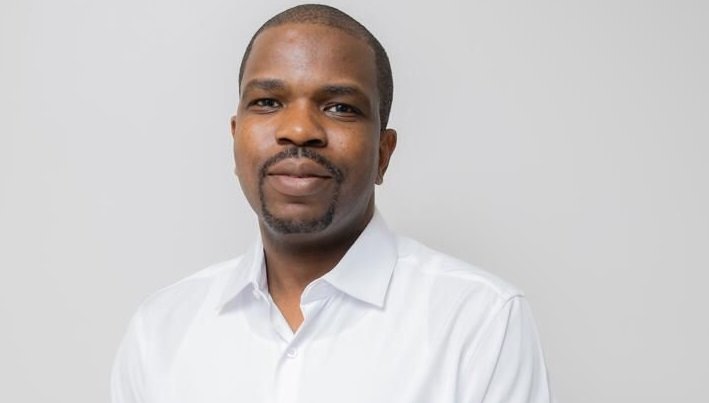
Understandably, local communities are eager for the jobs and development that lithium mining promises. Many feel overlooked and are understandably hopeful for economic upliftment. However, a quick fix should not come at the expense of long-term national prosperity. “We must not give the people temporary relief at the cost of permanent national loss,” warns Dr. Manaseh M. Mintah, an Afrocentric scholar.
The experience of Zimbabwe serves as a stark warning. Driven by similar pressures, Zimbabwe hastily entered into agreements that now see over ninety percent of its lithium fields controlled by Chinese companies. The country receives a paltry five percent royalty on its lithium exports, exporting raw spodumene for $300 a tonne while China refines it into battery-grade chemicals worth up to $20,000 a tonne. As one Zimbabwean miner lamented, “We have lithium, but lithium does not have us.”
Even a ten percent royalty, while seemingly substantial, may be insufficient given the lithium value chain. The true wealth lies in refining, processing, and manufacturing battery chemicals. Without a mandatory refinery clause and a commitment to value addition, Ghana risks becoming a mere exporter of raw materials, capturing only a small fraction of the potential benefits. “Without a refinery clause, without mandatory value addition, Ghana will capture little more than crumbs while others feast,” Dr. Mintah emphasizes.
Parliament’s decision to withdraw the initial agreement for further consultation was a prudent step, not a delay. Ghana’s legal framework, particularly Act 703 which sets a baseline royalty of five percent, needs modernization. A comprehensive critical minerals framework, prioritizing community safeguards, environmental protection, downstream processing, and local participation, is essential.
Lithium mining is a resource-intensive process, demanding significant water consumption, chemical processing, and responsible waste management. Failure to enforce stringent environmental protections could lead to the pollution of rivers, the abandonment of mining pits, displacement of farmers, and irreversible ecological damage. “Mining is irreversible. The mineral never returns, but the destruction does,” Dr. Mintah cautions.
Ghana’s future prosperity does not lie in simply extracting lithium. It lies in developing downstream capacity – refineries, battery precursor plants, technology partnerships, and local manufacturing. Without this forward-looking vision, Ghana risks sacrificing the industrial future of its children for short-term gains controlled by foreign interests.
While the global race for lithium is underway, Ghana must prioritize long-term national interests over immediate expediency. Negotiations must be conducted with clarity, firmness, and a deep understanding of the needs of local communities. The opportunity to get lithium right is a singular one. Ghana must proceed with intention, not run blindly, into this new mineral frontier.
Dr. Manaseh M. Mintah is an Afrocentric scholar whose work spans environmental law and justice, African governance, and decolonial thought. He can be reached at mmintah@antioch.edu
Image Source: MYJOYONLINE