Ghana Association of Radiologists Declares Unsupervised AI Radiology Reports Illegal
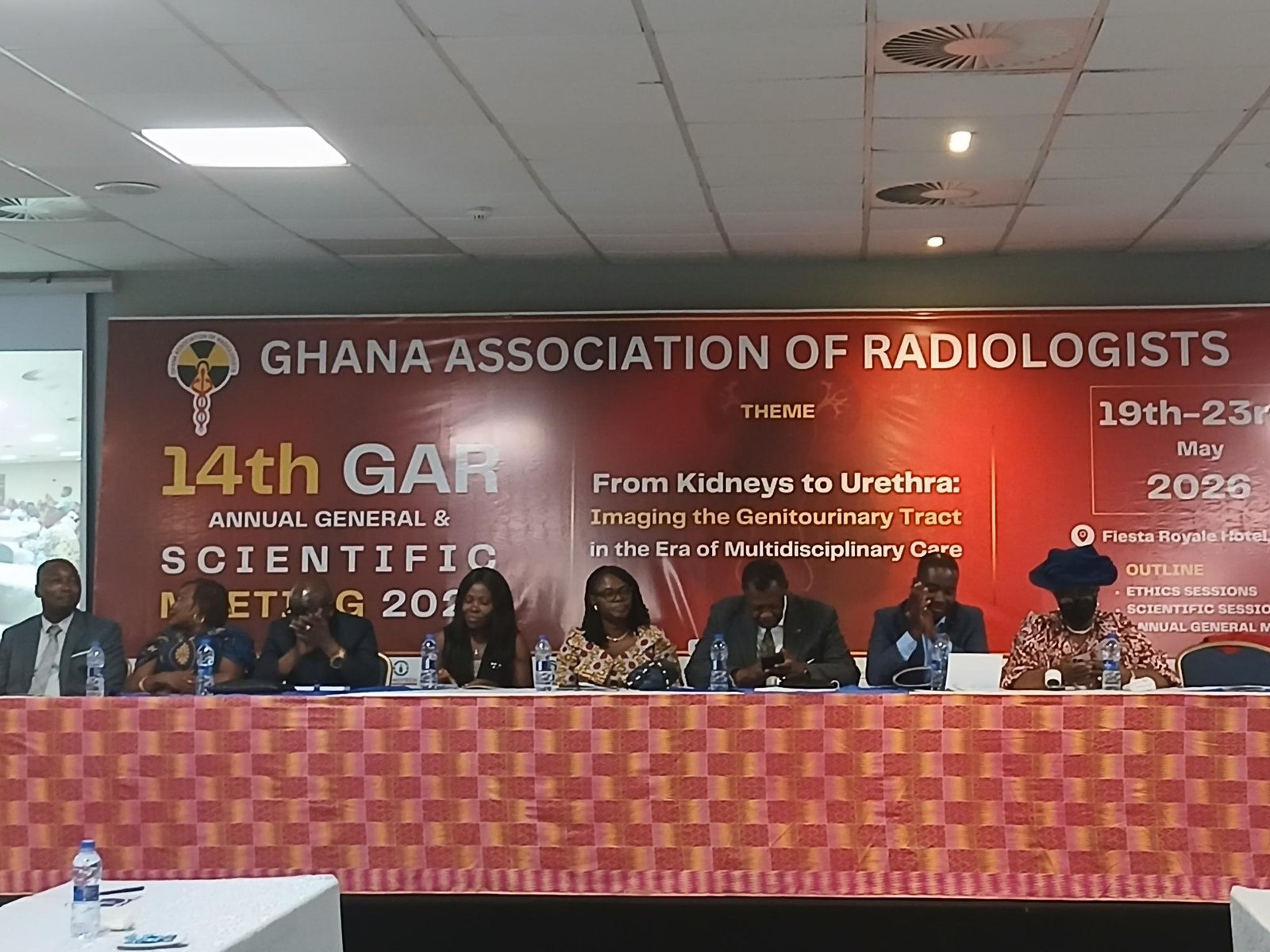
The Ghana Association of Radiologists has issued a firm warning to diagnostic facilities across the country: artificial intelligence systems that issue radiology reports without human oversight will not be legally recognised as clinical practice in Ghana.
The declaration, made at the Association’s 14th Annual General and Scientific Meeting, signals a growing tension between the rapid adoption of AI in healthcare and the regulatory frameworks that govern medical practice. Radiological image interpretation and reporting remain the responsibility of appropriately trained and duly licensed medical practitioners, the Association stated, cautioning all facilities engaging in unsupervised AI reporting to cease immediately or face legal and regulatory consequences.
“It is unacceptable for any healthcare practice to compromise patient safety, confidentiality, professional accountability, and regulatory compliance,” said the communiqué, jointly signed by GAR President ACP Dr Francis Ofei and Secretary Dr Cathy Gyamfua A Larbi.
The warning arrives as AI-powered diagnostic tools are being deployed in healthcare systems worldwide, promising faster turnaround times and reduced workloads for overstretched medical professionals. In Ghana, where the ratio of radiologists to patients remains critically low, the temptation to rely on unsupervised AI is particularly acute. But the Association is drawing a clear line: speed cannot come at the expense of accountability.
Radiologists are specialist medical doctors trained to interpret medical images, including ultrasound, X-rays, CT scans, MRI scans, mammography, fluoroscopy, and interventional imaging procedures, the statement explained. The implication is that AI may assist, but it cannot replace, the clinical judgment of a licensed practitioner.
The conference, held under the theme “From Kidneys to Urethra: Imaging the Genitourinary Tract in the Era of Multidisciplinary Care,” also endorsed the need for structured multidisciplinary collaboration among radiologists, nephrologists, urologists, oncologists, surgeons, physicians, and allied healthcare professionals in managing genitourinary diseases.
Participants called for the establishment of formal multidisciplinary team meetings across tertiary institutions and the development of Ghana-specific imaging and clinical protocols, recognising that imported guidelines often fail to account for local disease patterns and resource constraints.
The conference also drew attention to a public health concern that extends well beyond the radiology suite. The contamination of major water bodies with mercury, cyanide, and other toxic heavy metals from illegal mining activities, the Association warned, may have serious long-term consequences on kidney health and general public health in Ghana. Rivers such as the Pra, Birim, Ankobra, and Offin continue to suffer extensive pollution, placing millions of Ghanaians at risk.
The Association called on the government to intensify efforts to end illegal mining and protect Ghana’s water bodies, and urged both state institutions and private organisations to support local scientific research to broaden understanding of kidney disease in the country.
The GAR’s position places Ghana within a broader global conversation about the regulation of AI in medicine. As Ghana prepares to host the Pan African AI and Innovation Summit in Accra this September, the tension between technological ambition and regulatory prudence will be a defining challenge. The Association’s message is unambiguous: innovation is welcome, but not without a licensed doctor in the room.
Image Source: GHANA BUSINESS NEWS