FABAG says ECG utilities are hurting Ghana’s economy
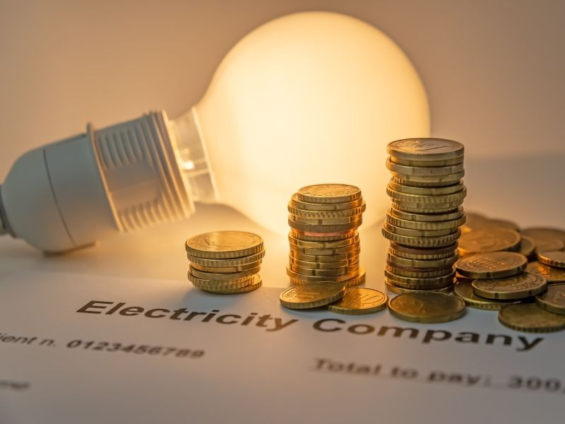
FABAG has demanded an immediate suspension of the 9.8% electricity and 15.9% water tariff increases, warning that the hikes will cripple businesses and deepen Ghana’s cost‑of‑living crisis.
The Food and Beverages Association of Ghana (FABAG) said the latest tariff adjustments approved by the Public Utilities Regulatory Commission are intolerable and must be halted at once. The association argues that the utilities have become a burden rather than partners in national economic growth.
According to FABAG, the rises will force factories to shut down, push food prices higher and push small and medium‑size enterprises out of the market. “If the tariffs go through, many SMEs will either close or increase prices, which will exacerbate the inflation already hurting Ghanaians,” said Mr. Kwabena Osei, FABAG’s spokesperson.
The group labelled the Electricity Company of Ghana (ECG) and the Ghana Water Company as a “real cancer in the economic development of Ghana”. It contended that ECG, meant to fuel national growth, now drains productivity and public trust.
FABAG highlighted persistent inefficiencies, chronic losses, alleged corruption and poor service delivery as the root causes of the utilities’ downfall. Technical and commercial losses at ECG now exceed 30 per cent, making it one of Africa’s poorest performers, the association noted.
In a recent parliamentary Public Accounts Committee report, ECG was accused of overspending its approved budget by GH₵ 189.2 million without authorisation. FABAG is demanding a leadership‑accountability framework that names those responsible and full disclosure of procurement processes, especially the jump in spending from under GH₵ 1 billion to over GH₵ 8.3 billion in 2023.
The association further warned that the tariff hike comes on top of a recent 9% wage increase for government workers, creating a cumulative cost pressure of 25.7% on consumers. It called the move “unjustifiable and insensitive” given the current cost‑of‑living challenges.
FABAG is also urging the PURC to suspend the hikes and order an independent operational audit of both ECG and the Ghana Water Company, with public disclosure of findings. It wants an aggressive loss‑reduction programme with measurable targets, enforcement of accountability, prosecution of internal theft and a cost‑recovery model based on efficiency rather than endless tariff hikes.
The association insists that Ghana cannot tax or increase tariffs its way out of the crisis in the power and water sectors. “Restructuring, digitisation, accountability and proper revenue management are the solutions, not further burdening struggling businesses,” Osei added.
FABAG said it will continue to defend the interests of its members and the wider public, stressing that Ghana deserves utilities that work, not ones that survive by punishing consumers.
Image Source: MYJOYONLINE