Russia Counters Europe's Plan to Use Frozen Assets for Ukraine Aid
Ukraine is facing a critical funding shortfall as it continues to defend itself against Russia’s ongoing war, raising concerns about its ability to sustain both its military operations and its economy.
European Union leaders are considering a plan to address Kyiv’s estimated €135.7 billion (£119 billion; $159 billion) budget gap over the next two years by utilizing approximately €185 billion of frozen Russian assets held at Belgian bank Euroclear. A decision is anticipated at their summit next week.
Moscow has vehemently opposed the proposal, labeling it an act of theft. Russia’s central bank has already initiated legal action against Euroclear in a Moscow court, even before a final EU decision is reached.
‘Only fair’ to use Russia’s assets
In total, around €210 billion in Russian assets are frozen within the EU, with the majority – €185 billion – held by Euroclear. Both the EU and Ukraine maintain that these funds should be used to rebuild the infrastructure and economy devastated by Russia’s aggression.
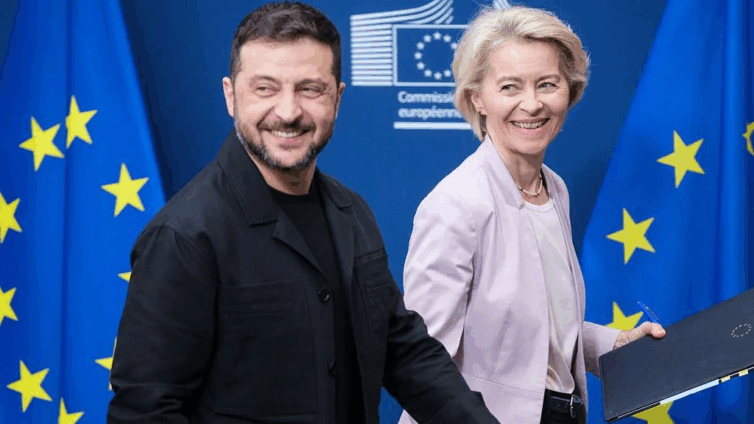
“It’s only fair that Russia’s frozen assets should be used to rebuild what Russia has destroyed – and that money then becomes ours,” Ukrainian President Volodymyr Zelensky stated.
German Chancellor Friedrich Merz echoed this sentiment, asserting that the assets would “enable Ukraine to protect itself effectively against future Russian attacks”.
While the plan has gained traction, it is not without its detractors. Belgium, in particular, has expressed anxieties about potentially being saddled with a substantial bill if the arrangement encounters difficulties. Euroclear CEO Valérie Urbain has warned that utilizing the assets could “destabilise the international financial system”. The bank also has an estimated €16-17 billion of its own assets immobilized within Russia.
Belgian Prime Minister Bart de Wever has presented the EU with a set of “rational, reasonable, and justified conditions” that must be met before he will support the reparations plan. He has also not ruled out pursuing legal action if the plan poses “significant risks” to his country.
What is the EU’s plan?
EU officials are working diligently to secure a compromise that addresses Belgium’s concerns ahead of next Thursday’s summit. Previously, the EU had refrained from directly accessing the frozen assets, but since last year, it has distributed the “windfall profits” generated by these assets to Ukraine – totaling €3.7 billion in 2024. The legality of utilizing these interest earnings is considered secure, as they are not directly considered Russian sovereign property due to sanctions.
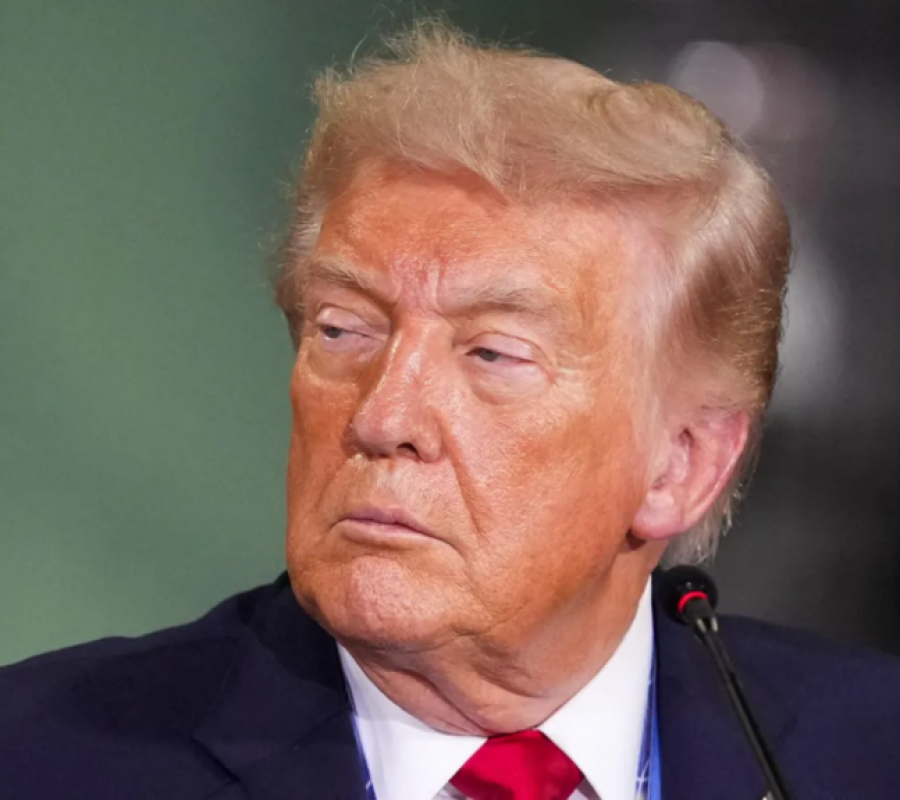
However, a significant decline in international military aid to Ukraine is projected for 2025, and Europe has struggled to compensate for the funding shortfall resulting from the US’s reduced support under President Donald Trump.
Currently, two EU proposals are on the table, aiming to provide Ukraine with €90 billion, covering approximately two-thirds of its funding requirements. The first involves raising the funds on capital markets, backed by a guarantee from the EU budget – Belgium’s preferred option. However, this requires unanimous approval from EU leaders, which is challenging given the opposition from Hungary and Slovakia to funding Ukraine’s military.
The alternative is to loan Ukraine cash directly from the Russian assets, which have largely matured from securities into readily available funds held by Euroclear at the European Central Bank.
The European Commission acknowledges Belgium’s legitimate concerns and has expressed confidence in addressing them. The proposed solution involves a guarantee protecting Belgium against all €210 billion of Russian assets within the EU. Furthermore, any potential losses incurred by Euroclear on its assets in Russia would be offset by assets belonging to Russia’s own clearing house held within the EU.
If Russia were to pursue legal action against Belgium, any ruling issued by a Russian court would not be recognized within the EU.
In a significant development, EU ambassadors are expected to agree on Friday to indefinitely immobilize Russia’s central bank assets held in Europe. This move, utilizing an emergency clause under Article 122 of the EU Treaties, aims to ensure the assets remain frozen as long as an “immediate threat to the economic interests of the union” persists.
Why Belgium is not yet satisfied
Belgium remains a firm ally of Ukraine but is wary of the legal risks associated with the plan and fears bearing the brunt of any negative repercussions. Prime Minister Bart de Wever is facing pressure from European counterparts and has been engaged in discussions with UK Prime Minister Sir Keir Starmer in London on Friday, despite a usually divided political landscape uniting behind him.
“Belgium is a small economy. Belgian GDP is about €565bn – imagine if it would need to shoulder a €185bn bill,” explained Veerle Colaert, a professor of financial law at KU Leuven University.
Beyond the loan guarantee, Belgium is concerned about potential exposure to additional damages or penalties. Professor Colaert also argues that requiring Euroclear to provide a loan to the EU would violate existing EU banking regulations.
“Banks need to comply with capital and liquidity requirements and shouldn’t put all their eggs in one basket. Now the EU is telling Euroclear to do just that. Why do we have these bank rules? It’s because we want banks to be stable. And if things go wrong it would fall to Belgium to bail out Euroclear. That’s another reason why it’s so important for Belgium to secure water-tight guarantees for Euroclear.”
Europe under pressure from every direction
Seven EU member states, including those bordering Russia like the Baltic states, Finland, and Poland, have urged swift action, arguing that the frozen assets plan is “the most financially feasible and politically realistic solution”.
“It’s a matter of destiny for us,” warned Norbert Röttgen, a leading German conservative MP. “If we fail, I don’t know what we’ll do afterwards. That’s why we have to succeed in a week’s time.”
Adding to the complexity, some European figures fear the US may have alternative plans for the frozen Russian assets, potentially as part of a broader peace initiative. While Ukraine is collaborating with both Europe and the US on a reconstruction fund, it is aware of ongoing discussions between the US and Russia regarding future cooperation.
An early draft of a US peace plan reportedly proposed utilizing $100 billion of Russia’s frozen assets for reconstruction, with the US retaining 50% of the profits and Europe contributing another $100 billion. The remaining assets would then be allocated to a US-Russia joint investment project. However, Friday’s expected vote to indefinitely immobilize Russia’s assets within the EU makes it more difficult for the US to access these funds, requiring a majority of EU member states to approve any such plan.
Image Source: MYJOYONLINE