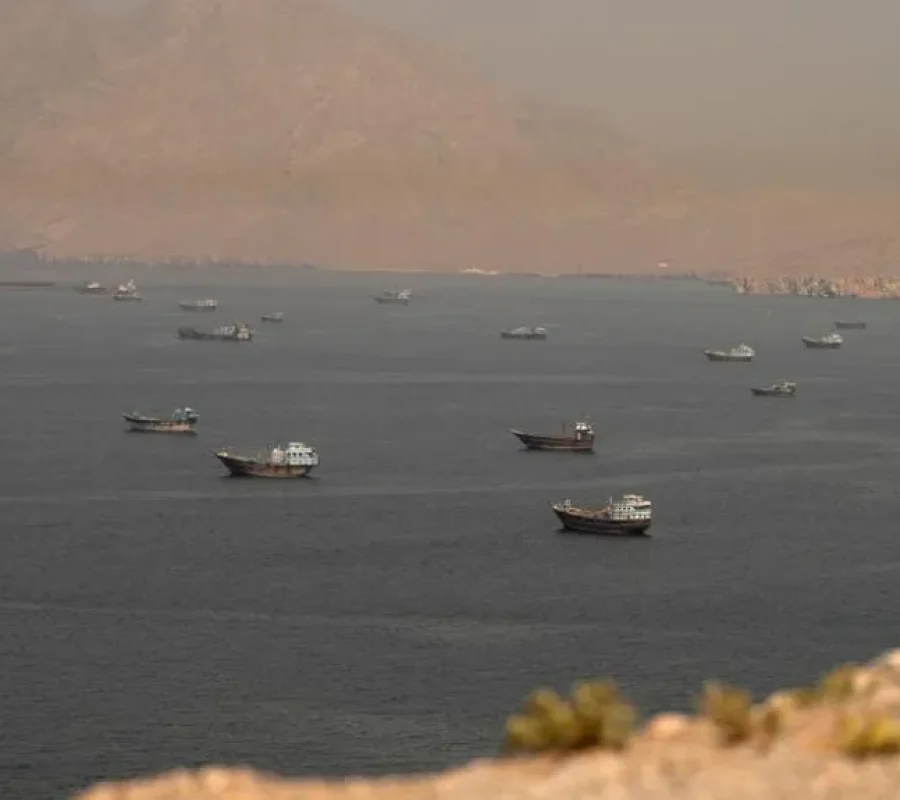
EPA to dredge Pra, Bonsu and Tano rivers to combat flooding and water pollution
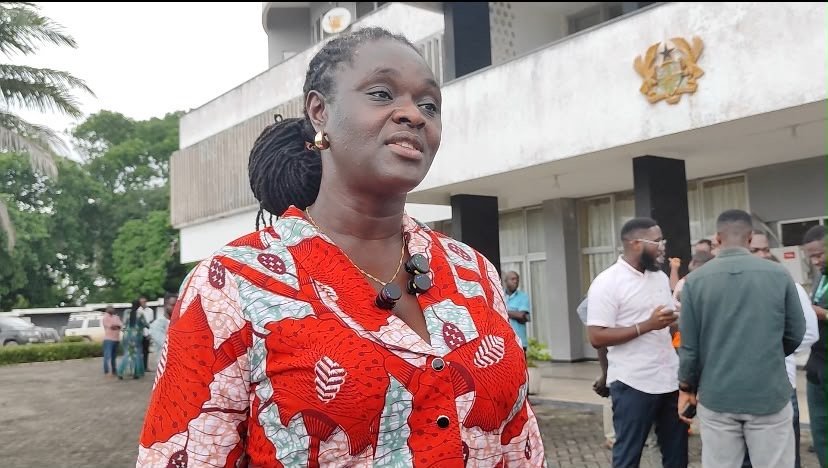
Ghana’s Environmental Protection Agency (EPA) has announced a major dredging operation targeting the Pra, Bonsa, and Tano rivers in the Western Region to address severe flooding and water pollution. The initiative, led by EPA Chief Executive Professor Nana Ama Browne Klutse, aims to restore the natural flow of these waterways, which have been choked by silt and sand due to illegal mining activities.
Speaking during a three-day working visit to the Western Region, Professor Browne Klutse emphasized that dredging is a prerequisite for any effective water purification efforts. ‘Even if you treat the water, it cannot move because the rivers are blocked with silt,’ she stated. The EPA plans to first dredge the rivers to restore flow, then apply ionic nano copper technology to remove heavy metals and reduce turbidity.
This initiative aligns with earlier calls for a united national effort to tackle flooding, such as the appeal by former Vice President Dr. Mahamudu Bawumia for a united national effort to fix flooding ([Flooding is a national issue; let’s fix it together – Bawumia](/flooding-is-a-national-issue-lets-fix-it-together-bawumia)). The project prioritizes the River Tano in the Samreboi area, where recent flooding caused widespread destruction. Western Regional Minister Joseph Nelson welcomed the initiative as timely, noting the importance of the Pra and Bonsa rivers as drinking water sources for Tarkwa-Nsuaem and Sekondi-Takoradi municipalities.
This effort forms part of the EPA’s broader strategy to combat river pollution, improve water quality, and enhance Ghana’s resilience against flooding and the environmental impact of illegal mining. By reconnecting rivers to their original channels, the intervention seeks to ensure water flows naturally from source to sea, thereby improving access to cleaner raw water for the Ghana Water Company.
The move follows growing concerns about the state of Ghana’s water bodies, with increasing reports of illegal mining diverting rivers and siltation reducing their capacity. Environmental experts have long warned that without addressing the root causes of siltation and illegal mining, flood mitigation efforts will be insufficient.
As the country grapples with the dual challenges of climate change-induced rainfall intensification and human-induced environmental degradation, the EPA’s dredging project represents a critical step toward sustainable water resource management. Success will depend on sustained enforcement against illegal mining and community engagement to protect the restored waterways. The EPA’s move complements recent multi-agency responses to flooding inundating communities across Ghana ([Ghana Mobilizes Multi-Agency Response as Flooding Inundates Communities](/ghana-mobilizes-multi-agency-response-as-flooding-inundates-communities)).
Image Source: STARR FM