Dismiss students involved in drug use on campuses – Education Minister directs GES
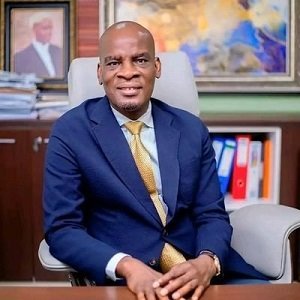
Education Minister Haruna Iddrisu has announced a zero-tolerance policy on drug use in schools, directing the Ghana Education Service (GES) to impose the strongest possible disciplinary sanctions, including dismissal, on students found possessing or using illicit drugs on school campuses.
The directive, issued at the commemoration of the 2026 International Day Against Drug Abuse and Illicit Trafficking organised by the Narcotics Control Commission (NACOC), forms part of a wider national effort to protect students from the growing drug menace.
Speaking in Accra on Friday, Mr Iddrisu warned that substance abuse was undermining learning, destroying young lives and posing a serious threat to the country’s future human resource base.
He noted that students under the influence of drugs are unable to concentrate in class, which results in poor academic performance and puts their future at risk.
The Minister further directed the Director-General of the GES to ensure that, with immediate effect, all schools introduce a daily anti-drug affirmation between the National Anthem and the National Pledge. Under the arrangement, one student will say, “Don’t start it,” while the rest respond, “Live without regret.”
He said the initiative was intended to serve as a constant reminder to students about the dangers of drug abuse.
The National Chief Imam, Sheikh Dr Osman Nuhu Sharubutu, also called on parents and communities to play a stronger role in protecting children from drug abuse, saying the fight must extend beyond conferences into homes and everyday community life.
He urged parents to instil strong moral values in their children, pay attention to the company they keep, and guide them against behaviours that could endanger their future.
Sheikh Sharubutu said human life is sacred and urged all Ghanaians to support institutions working to eliminate drug abuse, while praying for those already struggling with addiction to find healing and restoration.
The Minister for the Interior, Mohammed Mubarak Muntaka, noted that the illicit drug trade continues to exploit vulnerable people, destroy families and pose a threat to national security.
He reaffirmed government’s commitment to strengthening institutions tasked with combating drug-related crimes and commended NACOC and its partner agencies for their professionalism and dedication.
He also acknowledged the Judiciary for establishing a dedicated narcotics court, as well as the Attorney-General for granting prosecutorial powers to NACOC to strengthen the prosecution of drug-related offences.
Mr Muntaka urged parents, teachers, religious leaders, traditional authorities and communities to support the work of security agencies by promoting responsible behavior among young people, stressing that law enforcement alone cannot eliminate the drug menace.
This comprehensive approach reflects the gravity of the situation and the need for a united front to safeguard the nation’s youth and future.
The alarming rise in substance abuse among school-going children demands immediate and sustained action from all stakeholders. Only through coordinated efforts can Ghana hope to curb this menace and secure a brighter, healthier future for its students.
As the nation grapples with this challenge, the emphasis must remain on prevention, education, and rehabilitation, rather than punitive measures alone. A holistic strategy that involves families, schools, religious institutions, and community leaders is essential to build resilience against drug abuse among the youth.
This directive comes in the wake of recent drug-related incidents in educational settings, such as the Ashanti Region drug bust where four suspects were arrested with narcotics and a homemade firearm (four-suspects-arrested-in-ashanti-region-drug-bust-firearm-and-cash-seized).
Experts have also pointed to systemic issues within the education sector that exacerbate vulnerability to substance abuse, as highlighted in analyses of flaws in Ghana’s education model (academic-city-dean-prof-antwi-exposes-flaws-in-ghanas-education-model).