Ghana Deploys 47 Health Workers to Saint Kitts and Nevis Under Migration Initiative
Ghana has deployed 47 health professionals to Saint Kitts and Nevis under its Health Workforce Migration Initiative, a programme designed to offer temporary overseas employment while safeguarding domestic health services. The deployment, announced by the Ministry of Health, sees doctors, nurses and allied health workers embark on two‑ to three‑year contracts in the Caribbean nation, with an expectation that they will return to Ghana upon completion of their assignments.
The initiative echoes earlier efforts to strengthen local pharmaceutical capacity, such as the EU‑funded PharmaVax programme (/eu-germany-fund-ghanas-pharmavax-programme-for-local-medicine-production) that aims to boost domestic medicine production.
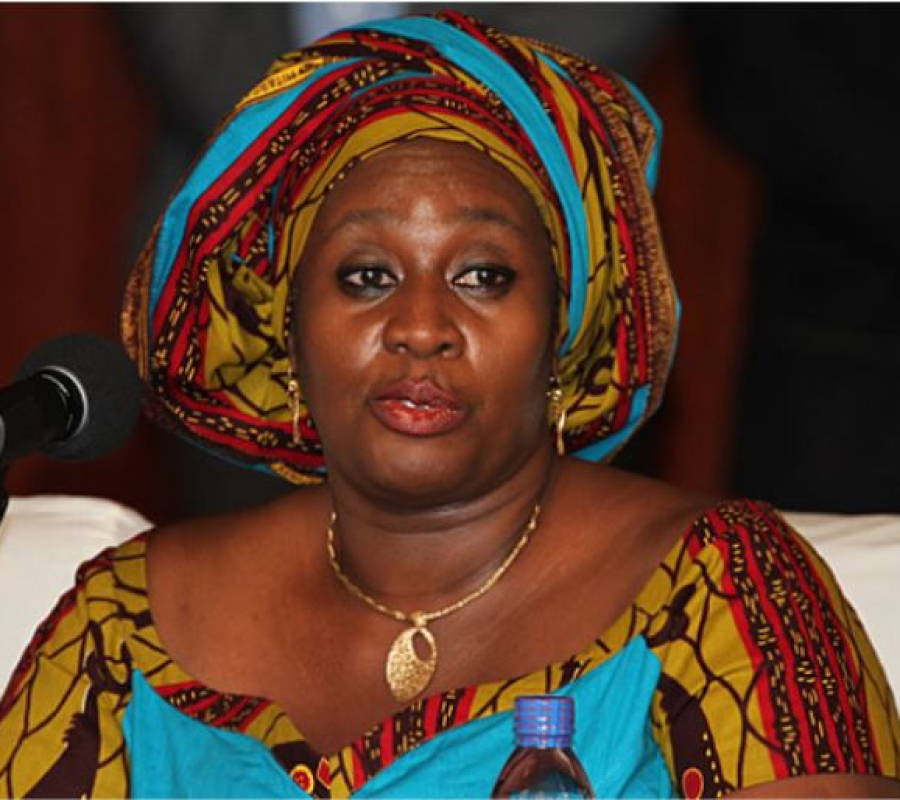
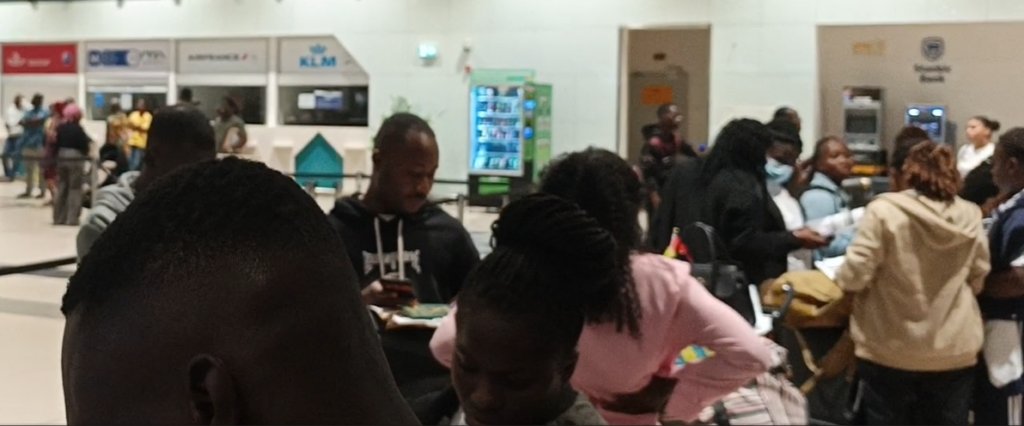
Speaking at Accra International Airport ahead of the departure, Deputy Chief of Staff Nana Oye Bampoe Addo and Deputy Minister of Health Grace Ayensu‑Danquah bid farewell to the team. The health workers expressed enthusiasm about the opportunity to deliver quality care abroad and to represent Ghana positively. They also thanked the government for creating what they described as a major career‑development platform.
The Deputy Minister of Health emphasized that the arrangement is a “win‑win” for both countries. Participants will benefit from attractive remuneration, improved working conditions and exposure to international training that will enhance their skills. Crucially, the initiative is structured around fixed‑term contracts, with an explicit expectation that the professionals will return to Ghana after their service abroad, thereby preserving the country’s health‑worker pool.
The move comes as Ghana seeks to balance the loss of skilled personnel to overseas opportunities with the need to maintain adequate staffing levels at home. By placing workers on temporary contracts and mandating their return, the initiative aims to mitigate brain drain while still allowing health professionals to gain valuable overseas experience. Officials said the programme would be monitored to ensure compliance with the return clause and that any deviations would be addressed promptly.
Internal challenges remain, however. Ghana’s health sector continues to grapple with uneven distribution of resources, particularly in rural areas, and concerns persist about the quality of some unlicensed facilities. In neighbouring Ketu South, recent warnings about unlicensed health outlets have highlighted the risks posed by inadequate regulation, underscoring the need for stronger oversight even as the country looks to expand its citizens’ horizons abroad.
It also highlights ongoing concerns about healthcare quality at home, where recent warnings about unlicensed facilities in Ketu South (/unlicensed-health-facilities-threaten-lives-in-ketu-south-director-warns-3) underscore the need for robust regulation.
The deployment also aligns with broader efforts to strengthen local pharmaceutical and medical capacity. Earlier this year, the European Union and Germany funded Ghana’s PharmaVax programme, which aims to boost domestic vaccine production and reduce reliance on imports. Such initiatives, combined with managed migration schemes, reflect a multifaceted approach to building a more resilient health system that can both retain talent and improve service delivery.
As the 47 professionals settle into their new roles in Saint Kitts and Nevis, the government will monitor their progress and welfare. The initiative is periodically reviewed to ensure it meets its objectives of skills transfer and sustainable workforce management.
Image Source: MYJOYONLINE