Oil price falls back to pre-Iran war levels
The global oil market has witnessed a significant reversal of fortune, with benchmark Brent crude prices retreating to levels not seen since before the commencement of hostilities between the United States, Israel and Iran in late February. This development comes as traffic through the strategically vital Strait of Hormuz begins to recover, offering a glimmer of relief to consumers and industry alike after months of volatility.
According to the latest data, Brent crude briefly dipped below $72.48 per barrel — the exact price it held on the day preceding the US and Israeli strikes on Iranian targets on 28 February — before edging back up to $73.23. The decline represents a stark contrast to the peak of just under $120 a barrel reached in April, as fears of prolonged conflict and supply disruption sent prices soaring.
The downward trajectory began in earnest following the signing of a Memorandum of Understanding (MOU) on 17 June between the United States and Iran, which outlined a 60-day window for negotiations on Tehran’s nuclear programme and related confidence-building measures. Since then, the cost of crude has moved sharply lower, reflecting growing optimism about a potential de-escalation of tensions and the gradual resumption of normal shipping flows through the Hormuz corridor.
However, analysts caution that the respite may be temporary. Pratibha Thaker, regional director for the Middle East and Africa at the Economist Intelligence Unit, warned that while prices have retreated to pre-conflict levels, the underlying geopolitical risks remain palpable. “Markets are still watching the region closely, and any renewed tensions could quickly send oil higher again,” she noted, underscoring the fragility of the current situation.
The improvement in oil prices has been mirrored by an increase in maritime traffic through the Strait of Hormuz. Data from maritime intelligence firm Kpler indicates that 284 vessels have made the transit from 18 June onward — the day after the MOU was signed — although this figure remains well below the pre-conflict average of approximately 138 crossings per day. The vessels passing through the waterway now include those carrying crude oil, liquefied natural gas (LNG), fertiliser and other essential goods, reflecting a broadening of commercial activity.
To further facilitate safe passage, the US and Iran have established a dedicated communication line, mediated by Qatar and Pakistan, with the explicit aim of preventing misunderstandings and ensuring the unhindered movement of commercial vessels through the strait. This development, coupled with guidance from the US Navy on navigating mine-free southern routes and limited northern passages authorised by Iranian authorities, has contributed to the gradual normalisation of shipping patterns.
Despite the encouraging signs, the number of ships traversing the Hormuz corridor remains significantly below pre-war levels, when more than 100 vessels made the crossing each day. Hundreds of ships continue to await their turn in the Gulf, a testament to the lingering caution among operators and the slow pace of confidence-building.
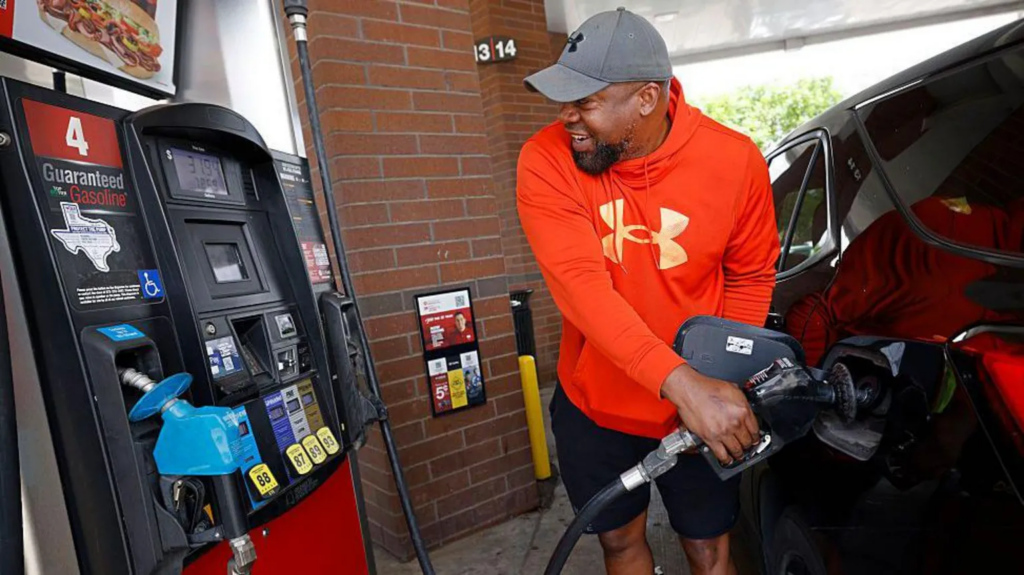
The impact of falling oil prices is beginning to be felt at the pump. Simon Williams, head of policy at the UK motoring group the RAC, anticipates that drivers will soon see the average price of petrol fall below 150p per litre, with diesel expected to follow suit and drop under 160p. In the United States, the average price of regular gasoline has declined to around $3.93 a gallon from its April high of $4, though it remains above pre-war levels.
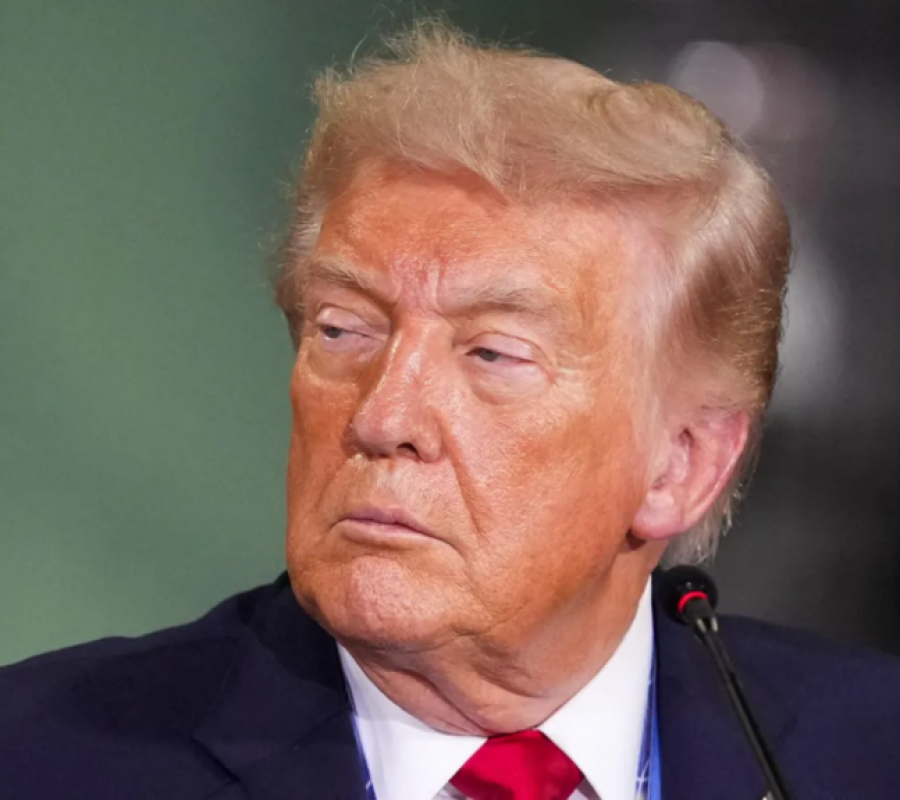
Notwithstanding these consumer-friendly developments, accusations of profiteering have surfaced. US President Donald Trump has called for an investigation into major energy companies, alleging that firms such as Shell and ExxonMobil are failing to pass on lower crude costs to consumers and instead engaging in price gouging. “Oil prices have come down so much and we are not seeing anything at the pump by comparison the way they should be,” Trump remarked during an Oval Office briefing.
Conversely, regulatory bodies in both the UK and the US have found little evidence of widespread unfair pricing practices. The UK competition watchdog recently stated that there was no substantial indication of petrol price hikes being driven by anything other than market fundamentals, adding that average profit margins in the sector have remained broadly stable since the conflict began. Similarly, the American Petroleum Institute do not move in lockstep with crude oil due to the complex interplay of refining costs, distribution logistics and taxation.
As the 60-day negotiation period outlined in the MOU progresses, the oil market will remain acutely sensitive to any diplomatic developments. While the current trend offers hope for a return to stability, the inherent volatility of the region ensures that prices are likely to remain responsive to the ebb and flow of geopolitical events, reminding stakeholders that in the world of energy, calm is often fleeting.
Image Source: MYJOYONLINE