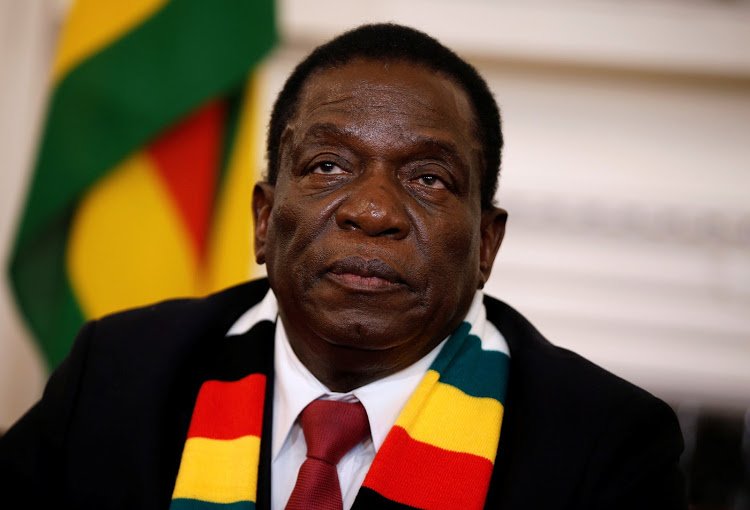
In a significant constitutional development, Zimbabwe’s Senate has approved legislation that would extend presidential terms from five to seven years, potentially allowing President Emmerson Mnangagwa to remain in power until 2030.
The bill, passed by an overwhelming majority of 75 senators to 4, surpasses the two-thirds threshold required for constitutional amendments. The legislation not only extends term lengths but also includes a provision that would shift presidential elections from direct popular vote to parliamentary selection.
Critics of the measure contend it is merely a tactic to allow the 83-year-old president to prolong his rule beyond the constitutional limit of two terms, which would have required him to step down in 2028. Supporters, however, argue the changes will enhance governmental accountability and promote political stability in a nation that has experienced periodic turbulence since independence.
The move represents the culmination of a years-long effort by Mnangagwa’s ZANU-PF party to alter the country’s constitutional framework. Party officials began advocating for term extension shortly after the 2023 elections, with party rallies featuring chants demanding the president be given “more time to complete his agenda.” The party formally endorsed constitutional changes last year, receiving cabinet backing in February 2026 before the Senate vote.
Mnangagwa, a former vice president and longtime Mugabe loyalist, assumed power following the military intervention that ended Robert Mugabe’s 37-year rule in November 2017. His initial rise to power was broadly welcomed both domestically and internationally as a potential turning point after decades of authoritarian rule and economic decline under Mugabe.
During Mugabe’s tenure, Zimbabwe experienced severe economic contraction, hyperinflation that peaked at billions of percent, and widespread international sanctions. The agricultural sector, once the backbone of the economy, collapsed following controversial land reform policies. Mnangagwa’s ascent raised hopes of economic renewal and democratic reform, though critics argue his administration has maintained many of the authoritarian practices of its predecessor.
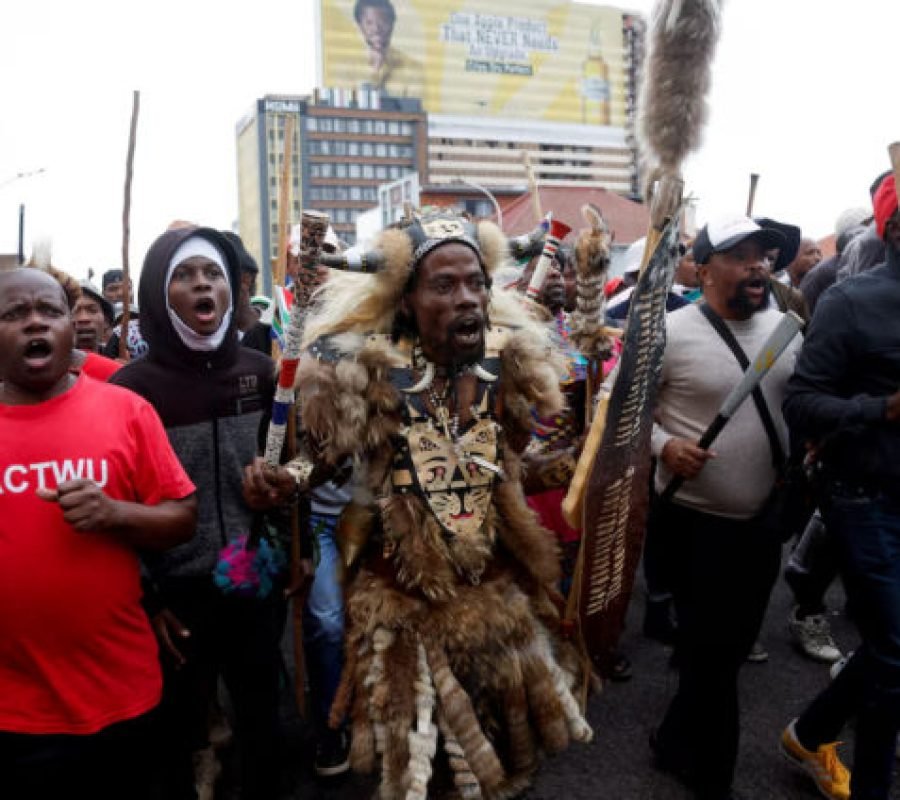
The term extension proposal has sparked considerable debate within Zimbabwean civil society. Legal experts warn that shifting to parliamentary selection of presidents could further weaken checks and balances, concentrating power in the ruling party which currently dominates the legislature. Opposition parties have denounced the move as an entrenchment strategy, though their ability to mobilize effective resistance has been limited by legal constraints and reported intimidation tactics.
Regional bodies have expressed concern about the development. The Southern African Development Community (SADC) has traditionally advocated for democratic norms and term limits among member states, though its enforcement mechanisms remain limited. The African Union has similarly emphasized constitutional governance in its charter, though responses to individual member state actions vary.
Domestically, the bill’s passage raises questions about Zimbabwe’s economic recovery prospects. International investment has been cautious in returning to the country due to concerns about political stability and governance standards. Analysts suggest that perceived democratic backsliding could further complicate efforts to re-engage with international financial institutions and attract foreign direct investment needed for infrastructure revitalization and job creation.
The constitutional amendment process in Zimbabwe requires approval by both houses of parliament followed by a national referendum. While the Senate has cleared its hurdle, the bill must still pass the House of Assembly before going to voters. Political analysts note that while public opinion on term limits remains divided, the ruling party’s organizational advantages suggest the referendum, if held, would likely favor the government’s position.
Should the bill become law, Zimbabwe would join a small but growing number of African nations that have revised term limits in recent years. Experts caution that such changes often correlate with increased authoritarian tendencies, though proponents argue that stability-focused governance can create conditions for long-term development planning.
For Mnangagwa personally, the extension would potentially allow him to govern until age 87, surpassing even Mugabe’s lengthy tenure. His legacy remains contested – credited by some for stabilizing the country after the chaotic transition period, but criticized by others for failing to deliver meaningful economic reforms or expand political pluralism.
As Zimbabwe approaches this constitutional crossroads, the nation’s direction will depend not only on the formal legal changes but also on how political power is actually exercised in the coming years. The test will be whether extended leadership translates into tangible improvements in governance, economic opportunity, and quality of life for ordinary citizens, or merely serves to prolong the status quo under a different institutional framework.
Image Source: MYJOYONLINE