Tech stocks tumble on concerns over AI spending
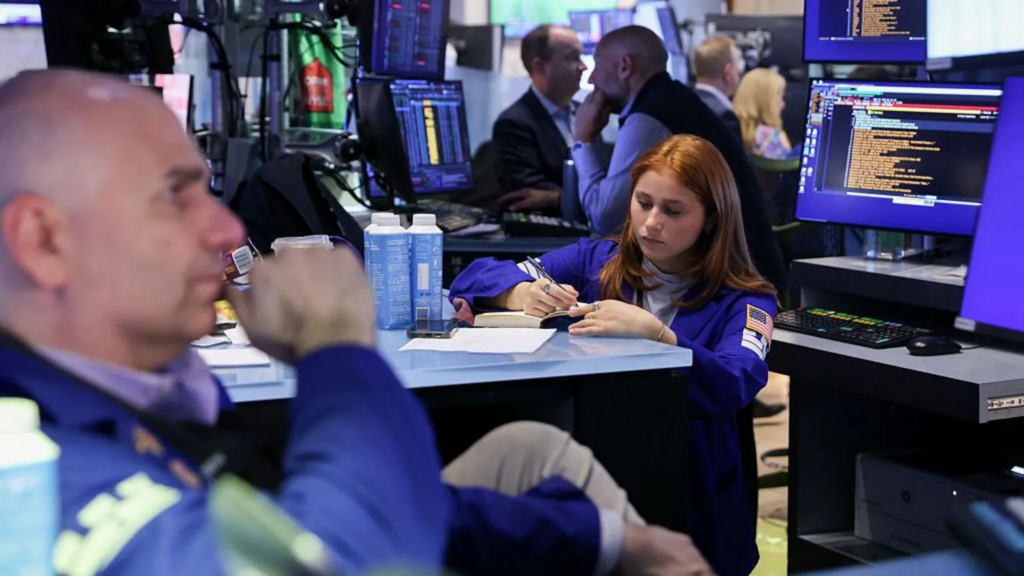
Global technology stocks experienced a sharp downturn on Tuesday as growing skepticism over the sustainability of the artificial intelligence (AI) boom triggered a widespread sell-off, raising questions about whether the sector’s meteoric rise over the past year is grounded in tangible business outcomes.
The Nasdaq Composite, heavily weighted toward tech companies, fell approximately 3% by the close of trading, dragging down major semiconductor indexes as investors reassessed the valuations of firms at the forefront of the AI revolution. The decline came after a prolonged three-month rally that had pushed technology shares to unprecedented levels, fueled by enthusiasm over generative AI and its potential to transform industries.
The sell-off was particularly pronounced among semiconductor manufacturers, with companies like Nvidia and Intel seeing significant declines as market participants questioned whether the massive investments in AI infrastructure are translating into commensurate revenue growth. The Philadelphia Semiconductor Index, a key benchmark for chip makers, fell sharply, reflecting concerns that the industry may have outpaced realistic demand forecasts.
Adding to the turmoil, shares of SpaceX, the aerospace company founded by Elon Musk that went public in mid-June, experienced a turbulent session. After opening below its initial public offering price of $150, the stock briefly dipped further before recovering to close at $156, underscoring the volatility surrounding newly listed technology-linked enterprises amid shifting market sentiment.
Analysts are divided on the implications of the pullback. Some view it as a healthy correction following an unprecedented surge, suggesting the sector is now transitioning from a phase focused on proving concept viability to one centered on addressing the substantial energy, infrastructure, and scalability challenges inherent in large-scale AI deployment. Others warn that the episode signals the end of an era of easy gains, citing tightening corporate technology budgets and broader macroeconomic headwinds that could constrain future growth.
Market observers noted the divergence between US and European markets, with the technology-laden Nasdaq under pressure while the FTSE 100, which has comparatively fewer technology holdings, remained relatively stable. This disparity highlights the geographic concentration of the AI-driven rally and its susceptibility to region-specific shifts in investor sentiment.
As earnings season approaches, technology giants face mounting pressure to demonstrate that their substantial investments in AI research, development, and infrastructure are yielding concrete financial returns rather than merely speculative enthusiasm. The coming weeks will be critical in determining whether the current downturn represents a temporary pause or the beginning of a more prolonged reassessment of the technology sector’s valuation metrics.
Image Source: MYJOYONLINE