Ghana Reaffirms Commitment to Renewable Energy With Ambitious Solar Expansion Drive
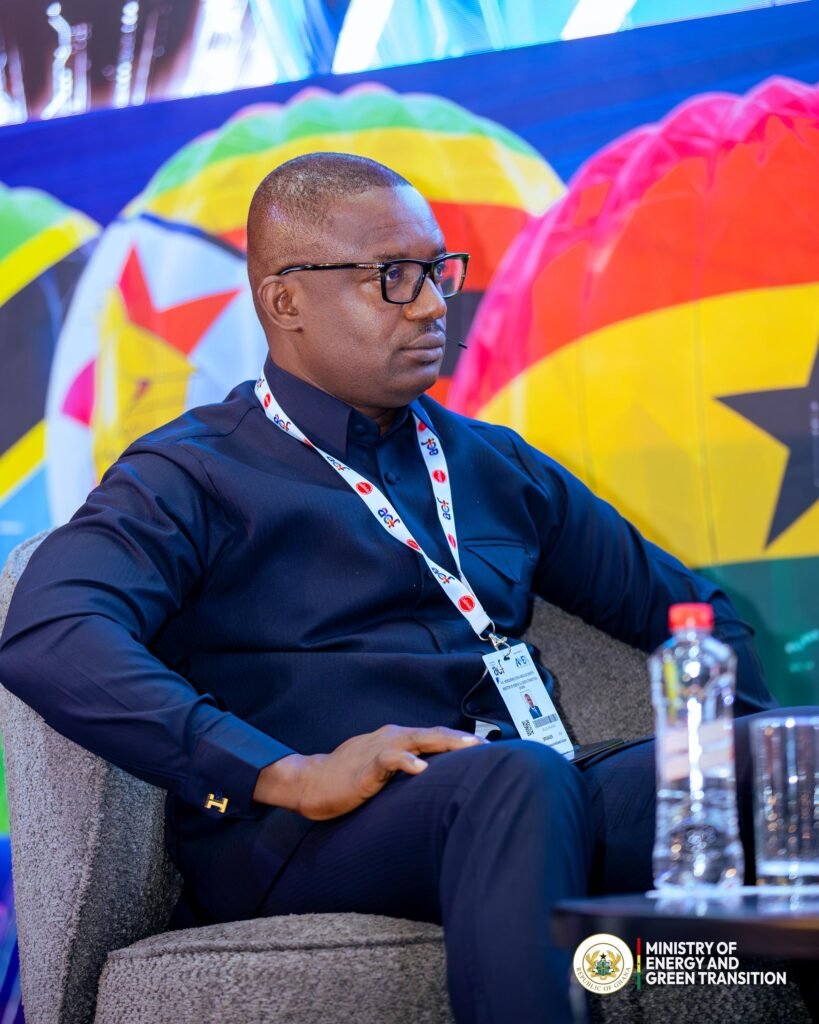
Ghana is accelerating its push into renewable energy with a suite of measures that Energy Minister Dr. John Abdulai Jinapor says will reshape the country’s power sector and set the nation on a path toward a just and sustainable energy transition.
At the heart of the government’s plan is a competitive solar tender for 200 megawatts of new generation capacity, the first step in an ambitious roadmap to scale Ghana’s total solar capacity to 1,000 megawatts. The tender will be complemented by the deployment of solar-plus-storage technologies, a combination designed to address the intermittency challenges that have long dogged solar power in tropical climates.
Bringing Solar to the Home
Beyond utility-scale projects, the government has announced a programme to roll out 50,000 residential solar systems across the country. The initiative targets households that either lack reliable grid access or face chronic power interruptions, offering a decentralised alternative that could ease pressure on the national grid.
The Energy Ministry is also developing solar-powered electric vehicle charging stations, signalling Ghana’s intention to integrate clean energy into its transport infrastructure at an early stage rather than retrofitting later.
A Development-First Approach
Dr. Jinapor has been careful to frame Ghana’s energy transition not as a concession to international climate pressure but as a deliberate development strategy. “Africa’s energy transition should not be viewed only through the lens of reducing carbon emissions but must also create opportunities for industrial growth, improve access to electricity, and support sustainable development,” he said.
The minister argued that the continent must adopt a transition model that protects its development aspirations while contributing to global climate goals. The remarks reflect a growing consensus among African policymakers that the energy transition must be calibrated to local economic realities rather than imported wholesale from developed nations.
Climate Finance and Infrastructure
Ghana’s renewable energy ambitions are being supported by growing international interest in the country’s green infrastructure potential. The United Kingdom recently backed a five-million-pound Green Project Preparation Facility aimed at closing Ghana’s climate infrastructure financing gap, a move that could unlock significantly larger private-sector investment in renewable energy projects.
The combination of government commitment, international backing, and a clear policy framework positions Ghana as one of the more serious players in West Africa’s clean energy space. Whether the 1,000-megawatt solar target is achieved on schedule will depend on execution, but the direction of travel is now unmistakable.
Image Source: MYJOYONLINE