Ramaphosa Warns Against Scapegoating Migrants as South Africa Grapples With Economic Strain
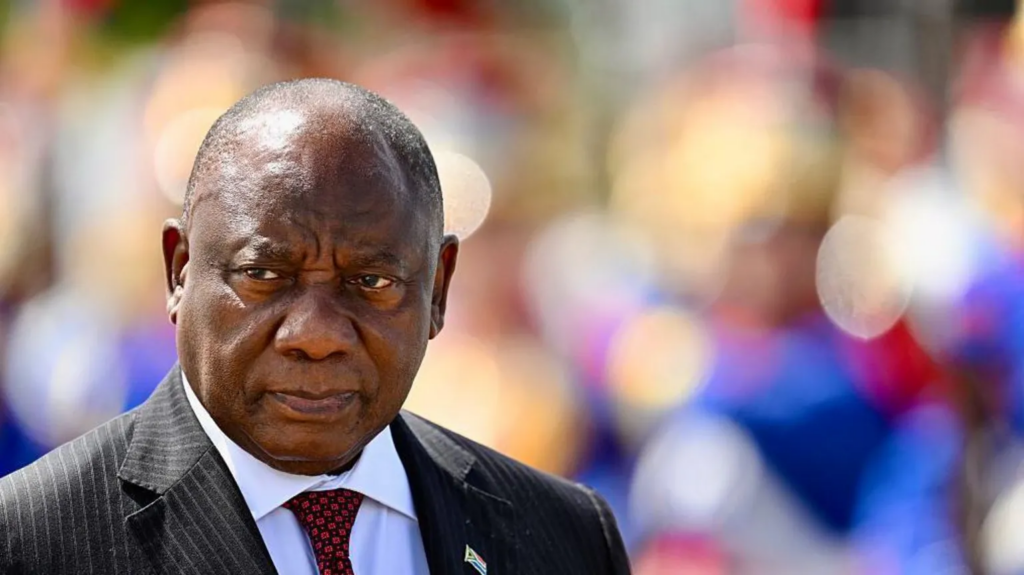
South African President Cyril Ramaphosa has issued a pointed warning against blaming migrants for the country’s deepening economic troubles, calling instead for practical solutions to problems he described as fundamentally South African in origin.
Speaking at the National Youth Day commemoration in Johannesburg, Ramaphosa directly addressed the wave of anti-immigrant sentiment that has fuelled violent protests and attacks against African nationals across the country in recent months.
“Even as we recognise the challenge of illegal immigration — which we are taking decisive action to address — our problems are in the main our own problems. And which we have a responsibility to fix ourselves,” the president said. “Addressing these challenges requires practical solutions, not the scapegoating of vulnerable people.”
The remarks come at a moment of acute political and social tension. South Africa, the continent’s largest economy, is struggling with youth unemployment of 46 per cent, a murder rate among the highest in the world, and racial inequality that persists more than three decades after the end of apartheid. Anti-immigrant groups have seized on these frustrations, blaming foreign nationals for unemployment, crime, and overstretched public services.
A June 30 deadline set by some of these groups for all undocumented foreigners to leave the country has added urgency to the situation. The deadline has heightened pressure on authorities to enforce immigration rules while avoiding a xenophobic backlash that could damage South Africa’s standing across the continent.
Ramaphosa acknowledged that South Africans, and especially the country’s youth, were “justifiably frustrated” by the economic conditions they face. But he maintained that targeting migrants would not solve structural problems rooted in decades of inequality and policy shortcomings.
The president’s comments follow growing international concern, particularly from West Africa. Ghana’s parliament has seen multiple members speak out against the attacks, with the Bosome Freho MP urging the government to protect an estimated 49,000 Ghanaians living in South Africa through diplomatic channels. The Majority Chief Whip has similarly called for a continental response through the African Union.
The Ghana-South Africa Business Chamber has also weighed in, condemning the violence as deeply troubling and calling for concrete measures to protect African nationals. The attacks have strained diplomatic relations and raised questions about the African Union’s capacity to respond to intra-continental crises.
The political stakes are high for Ramaphosa and the ruling African National Congress, which faces municipal elections in November with declining public support. The party’s ability to manage both the economic crisis and the xenophobic violence will be a critical test of its governance credentials ahead of the vote.
Analysts say the president’s rhetoric, while welcome, must be matched by concrete action. Enforcement of immigration laws, investment in job creation, and visible consequences for those perpetrating violence against migrants would send a stronger signal than speeches alone.
The tension between South Africa’s role as a beacon of post-apartheid democracy and its growing reputation for anti-immigrant hostility represents one of the continent’s most uncomfortable contradictions — one that Ramaphosa’s government will need to resolve if the country is to maintain its moral authority on the African stage.
Image Source: MYJOYONLINE