Big Events Ghana Defends Track Record Amid Ministerial Awards Controversy
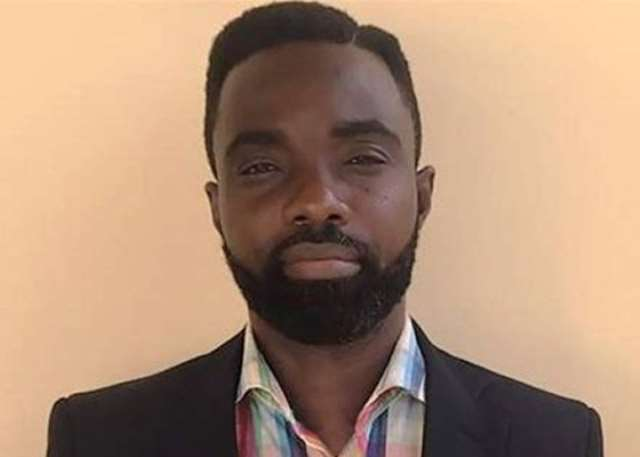
As public criticism over the Ghana Ministers of State Excellence Awards continues to mount, the founder and Executive Chairman of Big Events Ghana, Prince Mackay, has mounted a vigorous defence of his organisation’s credibility, insisting that the company’s nearly two decades of experience in the awards industry should silence any doubts about its legitimacy.
Speaking on Joy News’ PM Express Business Edition on Monday, Mr Mackay pushed back firmly against suggestions that Big Events Ghana is an unknown or questionable entity, pointing to a portfolio of well-known award schemes that have become fixtures in Ghana’s cultural calendar.
The ministerial awards programme has attracted intense public scrutiny in recent weeks, triggering heated debate on social media and drawing comments from the Presidency. Questions have been raised about the basis for the awards, the criteria used to evaluate ministers, and whether such schemes serve the public interest or merely create political complications. The broader fallout has prompted a national conversation about accountability and the role of private actors in assessing public officials.
A Track Record Built Over 17 Years
Mr Mackay’s defence rested primarily on the company’s long history in Ghana’s events and awards landscape. “It’s Big Events Ghana. We have been organising awards for the past 17 years and over in this country,” he said.
He argued that the company’s extensive experience should dispel any doubts about its standing or intentions. “We have been behind a lot of award schemes in Ghana that everybody knows about,” he stated, rejecting characterisations of the organisation as operating outside public scrutiny.
“We are not an institution or a company that is in doubt or has been hiding from the public to organise any awards or a fake organisation, all of that,” Mr Mackay stressed, clearly frustrated by the criticism levelled at his company.
Portfolio of Recognised Programmes
To bolster his case, Mr Mackay highlighted several flagship award schemes that Big Events Ghana has organised over the years, arguing that these programmes have earned public trust and recognition.
“We have been organising the RTP Awards, the Radio and Television Personality Awards, the biggest media awards in this country,” he said, citing what is perhaps the company’s most visible initiative. The RTP Awards have become a significant event in Ghana’s media industry, recognising outstanding broadcasters and journalists.
Mr Mackay also pointed to other programmes that have established the company’s reputation. “For the past 15 years, we have been organising the Impact Awards for quite some time now,” he said, adding that the Africa Gospel Awards — which he described as “the biggest gospel awards in Africa” — further demonstrates the organisation’s reach and experience.
“All of these awards are a very credible scheme,” he said, maintaining that the ministerial awards are simply the latest addition to a long line of successful recognition programmes.
The Credibility Question
The debate over Big Events Ghana’s credibility comes against the backdrop of broader concerns about the awards industry in Ghana. Critics have long questioned whether privately organised awards schemes serve genuine public interest or primarily function as revenue-generating ventures for their organisers.
The ministerial awards controversy has amplified these concerns, with governance experts warning that ranking public officials outside official accountability structures could have unintended consequences for how government functions.
Despite the criticism, Mr Mackay’s defence raises an important question: in the absence of formal mechanisms for citizens to evaluate ministerial performance, do privately organised awards fill a legitimate gap? The answer, like much in Ghana’s evolving democracy, remains a matter of vigorous public debate.
Image Source: MYJOYONLINE