Vehicle Embossment Association Sues to Block New Number Plates
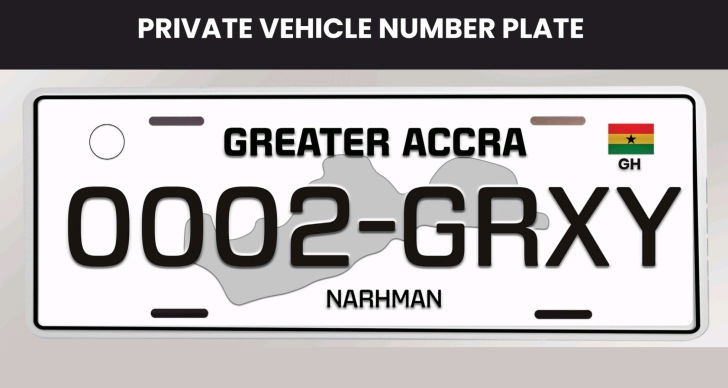
The Vehicle Embossment Association of Ghana (VEMAG) has filed an injunction at the High Court in Accra, seeking to halt the Driver and Vehicle Licensing Authority (DVLA) from implementing a new vehicle number plate registration system slated for January 2026.
The legal action, brought by BEMENCO Embossment Ltd and 26 other members of VEMAG, aims to prevent the DVLA from introducing digitalised or any new number plates until the court rules on the matter. The injunction application was filed on Monday, December 22, 2025.
VEMAG is also requesting the court to restrain the DVLA from establishing any alternative arrangements for the embossment and supply of vehicle number plates that fall outside the current framework involving its members.
At the heart of the dispute is the DVLA’s decision to award both the manufacturing and embossment contracts to a single entity, Original Manufacturing and Embossment, also known as Daasebre, and led by Dr Nyarko Esumadu Appiah. VEMAG argues this move is unprecedented and contradicts established practices.
“We are seeking an order compelling the DVLA to continue engaging licensed embossers for 2026 and beyond,” a spokesperson for VEMAG stated. The association is also requesting costs, including legal fees, and any other relief the court deems appropriate.
VEMAG further contends that the DVLA’s refusal to allocate blank registration plates for 2026 constitutes a breach of contract. They claim a long-standing, enforceable agreement existed based on decades of approvals and consistent practice.
According to the association, the DVLA CEO informed them on October 27, 2025, of the single-source contract award. VEMAG also alleges that the DVLA owes its members outstanding payments for previously produced plates.
The association is accusing the DVLA of lacking transparency in the rollout of the new digital number plates and of failing to continue consultations with embossers, despite prior assurances regarding the transition.
VEMAG alleges a violation of the Public Procurement Act, 2003 (Act 663), claiming the DVLA did not advertise for tenders or seek approval from the Public Procurement Authority before sole-sourcing the contract. They describe the decision as “illegal, discriminatory and an abuse of administrative authority,” highlighting the oversight of numerous Ghanaian-owned companies with significant investments in the sector.
The potential socio-economic consequences of the DVLA’s actions are a major concern for VEMAG. The association estimates its members collectively employ over 3,000 workers nationwide, and a sudden disruption could jeopardize these livelihoods.
VEMAG also warns of potential inconvenience to the public if the DVLA is unable to register vehicles and issue plates at the start of the year due to the injunction. Members have invested substantially in specialized embossment equipment, ranging from GH₵70,000 to GH₵1 million per unit, as part of the DVLA’s approval process.
For years, embossers have pre-financed the production of vehicle number plates, supplying them to the DVLA, which then sells the plates before settling payments. VEMAG fears this established system is being unfairly dismantled.
Image Source: MYJOYONLINE
New Posts



Advertisement
Trending