US security strategy mirrors Russia’s vision, Moscow claims
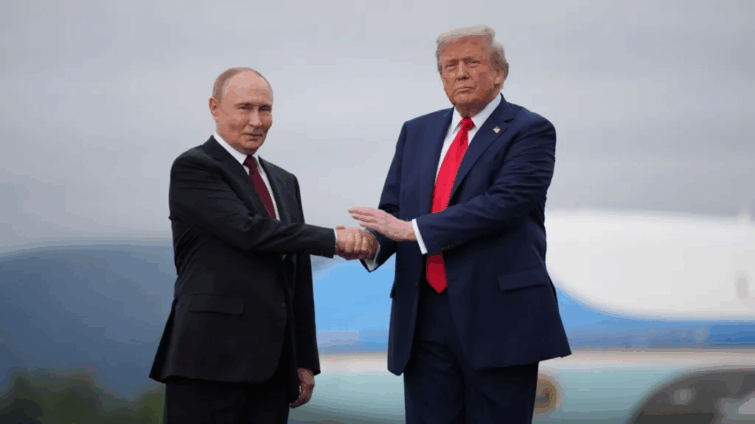
Russia has welcomed President Donald Trump’s newly released United States National Security Strategy, describing it as largely consistent with Moscow’s vision, officials said on Sunday.
The 33‑page strategy, unveiled by the White House last week, downplays Russia as a direct threat and warns that Europe faces a possible “civilisational erasure.” It also lists combatting foreign influence, ending mass migration and rejecting what it calls EU “censorship” as priorities.
Kremlin spokesperson Dmitry Peskov told TASS the adjustments were “largely consistent with our vision” and called the document a “positive step,” adding that Moscow would continue to analyse it before drawing firm conclusions.
European officials reacted sharply. German Foreign Minister Alexander Wadephul said the United States will remain Ghana’s most important NATO ally, but stressed that “questions of freedom of expression or the organisation of our free societies do not belong in the strategy, at least when it comes to Germany.” Polish Prime Minister Donald Tusk posted that “Europe is your closest ally, not your problem,” urging a common security front.
Former Swedish Prime Minister Carl Bildt warned the strategy “places itself to the right of the extreme right,” noting the United States’ growing ties with Germany’s AfD party, which German intelligence labels far‑right.
In Washington, Democratic lawmakers expressed alarm. Representative Jason Crow of Colorado, who sits on intelligence and armed‑forces committees, called the strategy “catastrophic to America’s standing in the world.” New York Representative Gregory Meeks said it “discards decades of value‑based, US leadership.”
While Ghana has not issued an official comment, the Ministry of Foreign Affairs is monitoring the strategy’s implications for Ghana‑EU trade, the sizeable Ghanaian diaspora in the United States, and potential shifts in migration policy that could affect labour flows to Accra.
Analysts say the softer language toward Moscow may weaken Western resolve on the Ukraine conflict, yet the United States also pledges to increase defence spending by Japan, South Korea, Australia and Taiwan, and to target alleged drug‑trafficking vessels in the Caribbean and eastern Pacific, with eyes on possible action in Venezuela.
The coming weeks will reveal whether the strategy reshapes US‑European ties and how Ghana’s diplomatic agenda adapts to any ripple effects on regional security and economic partnerships.
Image Source: MYJOYONLINE