US Conducts Surveillance Flights Over Nigeria Amid Tensions
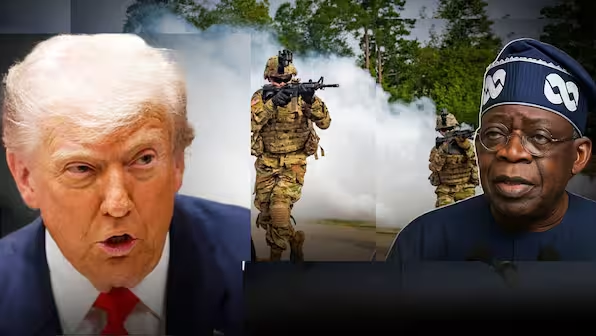
The United States has been conducting intelligence-gathering flights over Nigeria since late November, a move signaling increased security cooperation between the two nations.
Flight-tracking data and information from current and former U.S. officials reveal the surveillance operations. While the specific information being sought remains undisclosed, the flights coincide with heightened tensions following threats by U.S. President Donald Trump of potential military intervention in Nigeria due to violence targeting Christian communities.
The operations also follow the recent kidnapping of a U.S. pilot working with a missionary organization in neighboring Niger. According to the data, the aircraft, operated by a U.S. contractor, typically departs from Ghana and conducts surveillance over Nigeria before returning to Accra.
Mississippi-based Tenax Aerospace, identified as the operator through flight-tracking data, is known for providing special-mission aircraft and close collaboration with the U.S. military. However, the company has not yet responded to requests for comment.
Liam Karr, Africa Team Lead for the Critical Threats Project at the American Enterprise Institute, who has analyzed the flight data, stated, “The operation appeared to be running out of an airport in Accra, a known hub for the U.S. military’s logistics network in Africa.”
Karr further explained that the flights suggest a U.S. effort to rebuild its capacity in the region after Niger requested the departure of U.S. troops from a newly established air base and instead sought security assistance from Russia.
A former U.S. official confirmed that the aircraft was among assets relocated to Ghana in November. While the exact number of aircraft currently stationed in Ghana is unclear, the missions are believed to include tracking the kidnapped U.S. pilot and gathering intelligence on militant groups such as Boko Haram and the Islamic State West Africa Province.
A current U.S. official acknowledged the flights but refrained from providing further details, citing the sensitive diplomatic nature of the issue. Another administration official indicated that Washington continues to collaborate with Nigeria to “address religious violence, anti-Christian attacks, and the destabilising spread of terrorism.”
The Pentagon released a statement confirming productive meetings with Nigeria following President Trump’s remarks, but declined to comment on intelligence matters. Efforts to reach Nigeria’s military spokesperson and Ghana’s deputy defense minister for comment were unsuccessful.
Nigeria’s government has maintained that armed groups target individuals of both faiths and that the U.S. claims of Christian persecution do not accurately reflect the complex security situation. However, Nigeria has agreed to work with the U.S. to strengthen its forces against militant groups.
A Nigerian security source revealed that the U.S. agreed to deploy air assets for intelligence gathering during a November 20 meeting between Nigerian National Security Advisor Nuhu Ribadu and U.S. Defense Secretary Pete Hegseth.
President Bola Tinubu recently declared a state of security emergency in Nigeria and ordered increased recruitment for the army and police to combat escalating armed violence, including the recent abduction of over 300 schoolchildren in the north.
The U.S. has also taken actions perceived as punitive measures, adding Nigeria back to a list of countries with violations of religious freedom and including it on a travel ban list. President Trump has even reportedly directed the Defense Department to prepare for potential military action if Nigeria does not address the killings of Christians effectively.
According to Republican U.S. Representative Riley Moore, a joint task force has been established between the U.S. and Nigeria to enhance security cooperation.
Image Source: MYJOYONLINE
New Posts


Advertisement
Trending